· 7 min read
Can Dogs Eat Baking Soda? What Pet Parents Need to Know
Picture this: You’re knee-deep in holiday baking, flour dusting the counter, when your curious pup saunters over, tail wagging. Before you can react, they nose a open box of baking soda and lick a tiny pile off the floor. Panic sets in—is baking soda toxic to dogs? If you’ve ever asked yourself this question, you’re not alone. Baking soda is a pantry staple, but when it comes to our furry friends, what’s safe for us isn’t always safe for them.
In this guide, we’ll break down everything you need to know about baking soda and dogs: whether it’s safe, potential risks, “benefits” (spoiler: there are none nutritionally), and what to do if your dog sneaks a taste. Let’s dive in!
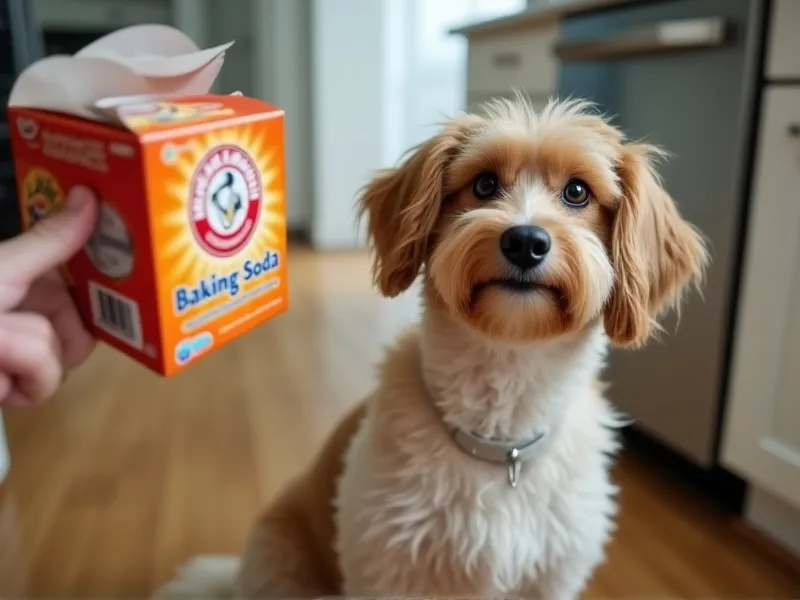
Table of Contents
- Can Dogs Eat Baking Soda? The Short Answer
- What Is Baking Soda, Anyway?
- Potential “Benefits”: Is Baking Soda Ever Useful for Dogs?
- The Risks: Why Baking Soda Isn’t Safe for Dogs
- How Much Baking Soda Is Too Much?
- Healthier Alternatives to Baking Soda
- FAQ: Your Baking Soda and Dog Questions Answered
- Conclusion: When in Doubt, Skip the Baking Soda
Can Dogs Eat Baking Soda? The Short Answer
No, dogs should not eat baking soda intentionally, and even small accidental amounts can pose risks. Baking soda (sodium bicarbonate) has no nutritional value for dogs and can cause serious health issues if ingested in large quantities—including sodium toxicity, stomach upset, and electrolyte imbalances. While a tiny lick (like from a dusty counter) might not harm your dog, it’s never a good idea to feed it to them or leave it accessible.
What Is Baking Soda, Anyway?
Baking soda is a white, crystalline powder with the chemical name sodium bicarbonate (NaHCO₃). It’s a staple in kitchens for baking (it helps dough rise by releasing carbon dioxide when mixed with acid) and around the house for cleaning, deodorizing, and even personal care (think toothpaste or bath soaks).
Chemically, it’s an alkaline substance, meaning it has a high pH. This alkalinity is what makes it useful for neutralizing odors (like in a smelly fridge) or softening water—but it’s also what makes it potentially dangerous for dogs.
Potential “Benefits”: Is Baking Soda Ever Useful for Dogs?
You might have read online that baking soda can “help” dogs with upset stomachs, bad breath, or even fleas. Let’s set the record straight: baking soda has no nutritional benefits for dogs, and any “uses” are either unproven, risky, or better handled by vet-approved alternatives.
The Myth of Baking Soda for Upset Stomachs
Some claim baking soda can soothe a dog’s upset stomach by neutralizing acid. However, dogs have highly acidic stomachs (pH 1-2) to digest meat and kill bacteria. Introducing an alkaline substance like baking soda disrupts this delicate pH balance, which can worsen stomach irritation, cause bloating (from carbon dioxide gas), or lead to vomiting.
Vets may rarely recommend sodium bicarbonate in specific cases (e.g., to treat metabolic acidosis, a severe pH imbalance), but this is always in controlled, diluted doses and under strict supervision. Never try this at home.
Baking Soda for Bad Breath or Fleas
Baking soda’s deodorizing properties might make it tempting to sprinkle on your dog’s bed or brush their teeth with it, but it’s not safe. Inhaling powder can irritate their lungs, and swallowing it (even a little) adds unnecessary sodium to their diet. For bad breath, stick to dog-safe toothpaste and dental chews. For fleas, use vet-recommended treatments—baking soda won’t kill fleas, and it can dry out your dog’s skin.
The Risks: Why Baking Soda Isn’t Safe for Dogs
Baking soda’s dangers lie in its chemical makeup and how dogs process it. Here are the key risks:
1. Sodium Toxicity
Dogs need sodium in their diet, but only in small amounts. Baking soda is high in sodium: 1 teaspoon contains about 1,259 mg of sodium. For context, a 10-pound dog’s daily sodium requirement is around 100-200 mg. Ingesting even a teaspoon could push them into excess, leading to:
- Thirst and excessive urination
- Vomiting or diarrhea
- Lethargy or restlessness
- Seizures or tremors (in severe cases)
2. Gastrointestinal Upset
The alkaline nature of baking soda can irritate your dog’s stomach lining, causing:
- Nausea or vomiting
- Diarrhea
- Abdominal pain or bloating (from carbon dioxide gas released in the stomach)
3. Electrolyte Imbalance
Sodium bicarbonate affects the body’s electrolyte balance (sodium, potassium, chloride). An imbalance can disrupt heart rhythm, muscle function, and even organ health—especially in dogs with kidney or heart disease, who are already sensitive to sodium.
4. Choking or Inhalation Hazard
Baking soda powder is fine and can be easily inhaled, leading to coughing, wheezing, or lung irritation. If a dog sniffs or licks a large pile, they might gag or choke.
How Much Baking Soda Is Too Much?
There’s no “safe” amount of baking soda to feed your dog, but the risk increases with size and quantity. A tiny taste (e.g., a few crumbs from the floor) is unlikely to cause harm, but even a small dose can be dangerous for small dogs:
- Small dogs (under 20 lbs): ¼ teaspoon could cause stomach upset; 1 teaspoon may lead to sodium toxicity.
- Medium dogs (20-50 lbs): 1-2 teaspoons could cause vomiting or diarrhea; 3+ teaspoons risk severe issues.
- Large dogs (50+ lbs): 3+ teaspoons may lead to electrolyte imbalance or sodium overdose.
If your dog ingests any amount beyond a accidental lick, contact your vet or the Pet Poison Helpline (855-764-7661) immediately.
Healthier Alternatives to Baking Soda
Instead of using baking soda around your dog, opt for these pet-safe alternatives:
For Upset Stomachs
- Plain canned pumpkin (unsweetened): High in fiber, soothes digestion.
- Probiotics: Vet-recommended probiotics (like Purina Fortiflora) support gut health.
- Boiled chicken and rice: Bland, easy-to-digest meal for temporary stomach issues.
For Deodorizing
- Pet-safe wipes: Use hypoallergenic wipes (e.g., Earthbath) to freshen your dog’s coat.
- Baking soda-free dry shampoo: Brands like Burt’s Bees make dog shampoos with natural deodorizers (oatmeal, aloe).
- Wash their bed: Regular laundering with pet-safe detergent (avoid bleach or strong fragrances) beats sprinkling baking soda.
For Cleaning
- Vinegar and water: Safe for floors, counters, and pet areas (the smell fades, and it’s non-toxic).
- Pet-safe cleaners: Brands like Seventh Generation or Mrs. Meyer’s have pet-friendly options.
FAQ: Your Baking Soda and Dog Questions Answered
Q: My dog ate a little baking soda off the floor. Should I panic?
A: Take a deep breath! A tiny amount (a few crumbs) is unlikely to cause harm. Monitor them for 24 hours for vomiting, diarrhea, or lethargy. If they show symptoms, call your vet.
Q: Can baking soda help with my dog’s itchy skin?
A: No. Baking soda can dry out skin and worsen itching. For itchy dogs, use oatmeal baths (vet-recommended) or consult your vet to rule out allergies.
Q: Is baking powder safer than baking soda for dogs?
A: No—baking powder is more dangerous. It contains baking soda plus acidic ingredients (like cream of tartar) and sometimes aluminum, which is toxic to dogs.
Q: My dog’s breath smells terrible. Can I brush their teeth with baking soda?
A: Avoid it! Use dog-specific toothpaste (e.g., Virbac C.E.T.) instead. Baking soda can irritate gums and is not formulated for canine oral health.
Conclusion: When in Doubt, Skip the Baking Soda
Baking soda has no place in your dog’s diet or routine. While accidental licks are usually harmless, intentional feeding or easy access can lead to serious health issues. When it comes to your pup’s health, prioritize vet-approved foods, treats, and remedies.
If you’re ever unsure about a substance or your dog shows symptoms after ingesting something, don’t hesitate to call your vet or the Pet Poison Helpline. Your furry friend relies on you to keep them safe—and that means keeping the baking soda (and other household chemicals) out of paw’s reach.
Remember: Moderation isn’t the key here—avoidance is. Your dog’s tail wags and slobbery kisses are worth it!
References
- American Society for the Prevention of Cruelty to Animals (ASPCA). Toxic and Non-Toxic Substances. aspca.org/pet-care/animal-poison-control
- Pet Poison Helpline. Sodium Bicarbonate Toxicity in Dogs. petpoisonhelpline.com/poison/sodium-bicarbonate/
- VCA Animal Hospitals. Sodium Toxicity in Dogs. vcahospitals.com/know-your-pet/sodium-toxicity-in-dogs
- Cummings School of Veterinary Medicine at Tufts University. Gastrointestinal pH in Dogs. tuftscvmblog.com/gastrointestinal-ph-in-dogs