· 8 min read
Can Dogs Eat Baked Potatoes with Butter? A Pet Parent’s Guide to Safe Treats
It’s a cozy weeknight, and you’re settling in with a warm, buttery baked potato—crispy skin, fluffy interior, and a dollop of melted butter that makes your taste buds sing. Out of the corner of your eye, you notice your dog, tail thumping, nose twitching, staring up at you with that irresistible “please share” gaze. Your heart melts, but then you pause: Is this safe? Can dogs eat baked potatoes with butter?
As pet parents, we’ve all been there. We want to spoil our furry friends, but we also need to keep them healthy. The good news is, baked potatoes can be a tasty treat for dogs—but there’s a catch (or two). The butter, in particular, is a red flag. In this guide, we’ll break down the facts: the benefits of plain baked potatoes, the risks of adding butter (and other toppings), how much is safe, and healthier alternatives to keep your pup happy and healthy.
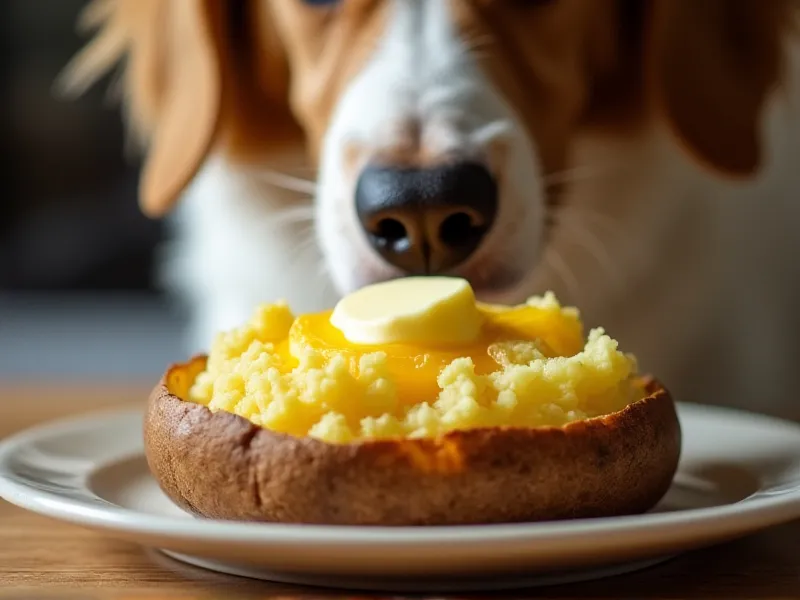
Table of Contents
- Can Dogs Eat Baked Potatoes with Butter? The Short Answer
- The Benefits of Potatoes for Dogs: Why They Might Be a Treat
- The Risks: Why Butter (and Other Toppings) Are a Problem
- How to Safely Feed Baked Potatoes to Dogs (If You Choose To)
- Healthier Alternatives to Buttered Baked Potatoes
- Frequently Asked Questions (FAQ)
- Conclusion: Spoil Safely, Spoil Smartly
Can Dogs Eat Baked Potatoes with Butter? The Short Answer
No, dogs should not eat baked potatoes with butter.
Plain, cooked baked potatoes (without butter, salt, or toppings) are generally safe for dogs in small, occasional amounts. They’re a source of vitamins, fiber, and potassium. However, adding butter turns this simple treat into a risky choice. Butter is high in fat and calories, which can lead to digestive upset, obesity, or even life-threatening pancreatitis in dogs.
In short: Potatoes = okay (in moderation). Butter = not okay. Keep the two separate!
The Benefits of Potatoes for Dogs: Why They Might Be a Treat
Before we dive into the risks, let’s talk about why potatoes themselves aren’t the enemy. When prepared properly (plain, cooked, and unseasoned), potatoes can offer some nutritional perks for your pup:
1. Nutrient-Rich Carbohydrates
Potatoes are a good source of complex carbs, which provide energy. They also contain essential vitamins like:
- Vitamin B6: Supports brain function and helps make red blood cells.
- Vitamin C: An antioxidant that boosts the immune system (though dogs produce their own, extra can’t hurt!).
- Potassium: Important for heart health and muscle function.
2. Fiber for Digestive Health
The skin of a baked potato is packed with dietary fiber, which helps regulate your dog’s digestion and keeps their gut happy. Just be sure to wash the skin thoroughly to remove pesticides!
3. Easy to Digest (When Cooked)
Unlike raw potatoes (which are toxic—more on that later), cooked potatoes are gentle on your dog’s stomach. They’re often used as a bland food to soothe upset tummies (think: when your vet recommends a “bland diet” of boiled chicken and rice—potatoes can sometimes substitute for rice).
The Risks: Why Butter (and Other Toppings) Are a Problem
Potatoes are safe, but butter? Not so much. Let’s break down why adding butter (or other common toppings) to your dog’s potato is a bad idea.
High Fat, High Risk: Butter and Pancreatitis
Butter is loaded with saturated fat—about 11 grams per tablespoon. For dogs, even a small amount of fat can spell trouble. Here’s why:
- Pancreatitis: The pancreas produces enzymes to digest food. A high-fat meal (like buttered potatoes) can trigger inflammation of the pancreas, called pancreatitis. Symptoms include vomiting, diarrhea, lethargy, and severe abdominal pain. In severe cases, it can be fatal.
- Obesity: Extra fat and calories from butter add up quickly. Over time, this can lead to obesity, which increases the risk of diabetes, joint pain, and heart disease in dogs.
- Digestive Upset: Even if pancreatitis doesn’t occur, butter can cause diarrhea, gas, or vomiting in dogs, especially those with sensitive stomachs.
Hidden Dangers: Salt, Seasonings, and More
Even if you skip the butter, other toppings on your baked potato could harm your dog:
- Salt: Too much salt leads to sodium ion poisoning, causing excessive thirst, urination, seizures, or even death.
- Cheese, Bacon, or Sour Cream: These are high in fat, salt, or lactose (many dogs are lactose intolerant), which加剧 digestive issues.
- Garlic or Onion: These are toxic to dogs, damaging red blood cells and causing anemia.
Pro tip: If you’re sharing a potato with your pup, it needs to be plain—no butter, salt, or extras.
Choking and Digestive Hazards
Potatoes themselves can pose risks if not prepared properly:
- Choking: Large chunks of potato (especially crispy skin) can get stuck in your dog’s throat.
- Digestive Blockages: Undercooked or raw potatoes are hard to digest and may cause blockages, especially in small dogs.
How to Safely Feed Baked Potatoes to Dogs (If You Choose To)
If you want to share a bite of your baked potato with your dog, follow these rules to keep them safe:
Stick to Plain, Unseasoned Potatoes
No butter, salt, cheese, or toppings. Even a “tiny” pat of butter is risky—save the butter for yourself!
Portion Sizes: Less Is More
Potatoes should be an occasional treat, not part of your dog’s regular diet. A good rule of thumb:
- Small dogs (under 20 lbs): 1–2 tablespoons of mashed or chopped potato, max.
- Medium dogs (20–50 lbs): 2–4 tablespoons.
- Large dogs (50+ lbs): Up to ¼ cup.
Overfeeding can lead to weight gain or digestive upset.
Preparation Tips to Avoid Risks
- Cook thoroughly: Raw potatoes contain solanine, a toxic compound. Baking, boiling, or steaming removes solanine, making potatoes safe.
- Mash or chop: Mash the potato (without butter!) or cut it into small, bite-sized pieces to prevent choking.
- Skip the skin (if unsure): Potato skins are safe for most dogs, but wash them well to remove pesticides. If your dog has a sensitive stomach, peel the potato first—some dogs struggle to digest the skin.
Healthier Alternatives to Buttered Baked Potatoes
If you want to treat your dog to a potato-like snack, these options are safer and more nutritious than buttered baked potatoes:
Sweet Potatoes: A Nutrient Powerhouse
Sweet potatoes are often better for dogs than white potatoes. They’re higher in fiber, beta-carotene (which converts to vitamin A), and antioxidants. Serve them baked, mashed, or dehydrated as “sweet potato chews.” Just skip the butter and sugar!
Plain Mashed Potatoes (No Extras!)
Mash cooked white potatoes with a little water (no milk, butter, or salt) for a creamy, easy-to-digest treat. It’s a great way to soothe an upset stomach (check with your vet first if your dog is sick).
Other Dog-Friendly Veggie Treats
For low-calorie, nutrient-dense alternatives, try:
- Carrots: Crunchy, high in fiber, and great for dental health.
- Green Beans: Low in calories, high in vitamins A, C, and K.
- Pumpkin: Plain, canned pumpkin (not pie filling!) is packed with fiber and helps with digestion.
Frequently Asked Questions (FAQ)
Q: Can dogs eat potato skins?
A: Yes, in most cases! Potato skins are safe and contain fiber. Just wash them thoroughly to remove pesticides, and cut them into small pieces to avoid choking. If your dog has a sensitive stomach, peel the skin first.
Q: My dog accidentally ate a buttered baked potato—what should I do?
A: Stay calm! A small amount may only cause mild diarrhea or vomiting. Monitor your dog for 24 hours for symptoms like lethargy, loss of appetite, or severe vomiting. If symptoms occur, or if your dog is small, elderly, or has pancreatitis, contact your vet immediately.
Q: Are raw potatoes safe for dogs?
A: No! Raw potatoes (and potato plants) contain solanine, a toxin that can cause vomiting, diarrhea, and weakness. Always cook potatoes before feeding them to your dog.
Q: Can dogs eat mashed potatoes with milk?
A: No. Most dogs are lactose intolerant, so milk can cause gas, diarrhea, or upset stomach. Stick to mashed potatoes with water instead.
Conclusion: Spoil Safely, Spoil Smartly
Dogs can enjoy plain baked potatoes as an occasional, low-key treat—but buttered baked potatoes are a no-go. The butter’s high fat content puts your pup at risk for pancreatitis, obesity, and digestive issues.
When sharing human food with your dog, remember: “less is more,” and “plain is best.” Opt for unseasoned, cooked potatoes in small portions, or swap them for healthier alternatives like sweet potatoes or carrots. And if you’re ever unsure, check with your vet—they know your dog’s unique needs best.
Your pup’s tail will wag just as hard for a plain mashed potato treat as it would for a buttery one. After all, the best part of sharing is the love—not the butter.
References:
- American Society for the Prevention of Cruelty to Animals (ASPCA). “People Foods to Avoid Feeding Your Pets.”
- American Kennel Club (AKC). “Can Dogs Eat Potatoes?” (Dr. Jennifer Coates, DVM)
- VCA Hospitals. “Pancreatitis in Dogs.”
- PetMD. “Human Foods Dogs Can and Can’t Eat.”