· 8 min read
Can Dogs Eat Baked Chicken? A Pet Parent’s Guide to Safe, Tasty Treats
It’s a familiar scene: You’re savoring a golden, oven-baked chicken breast for dinner, the aroma filling the kitchen. At your feet, your dog sits patiently, tail thumping against the floor, those big, soulful eyes locked on your plate. “Just a tiny bite?” you wonder. “Surely baked chicken is healthy—can dogs eat it, too?”
As pet parents, we want to share the joys of food with our furry friends. But when it comes to human foods, “safe” and “healthy” aren’t always the same. Baked chicken is a staple in many households, but is it a good choice for your pup? In this guide, we’ll break down the benefits, risks, and best practices for feeding baked chicken to dogs—so you can make informed choices and keep those tail wags coming.
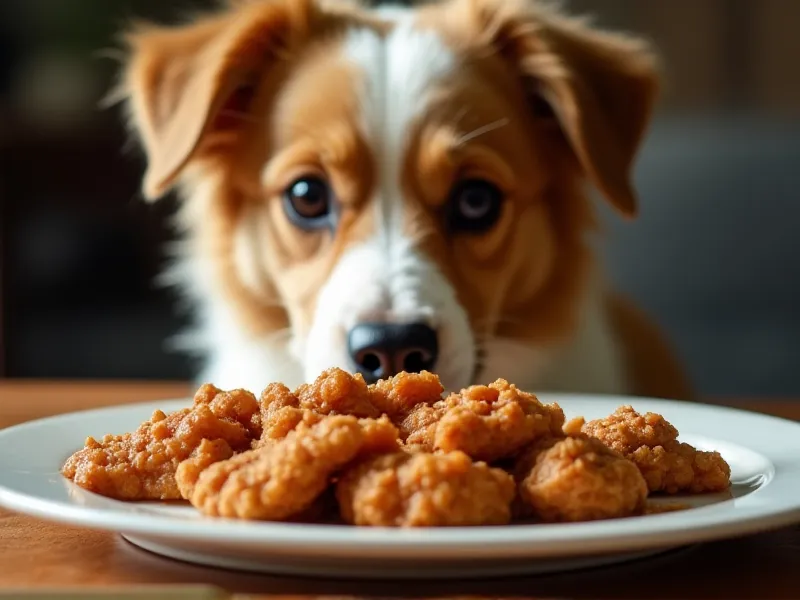
Table of Contents
- Can Dogs Eat Baked Chicken? The Short Answer
- The Benefits of Baked Chicken for Dogs: Why It’s a (Generally) Great Treat
- The Risks of Baked Chicken for Dogs: What to Watch Out For
- How Much Baked Chicken Can Dogs Eat? Guidelines for Safe Feeding
- Healthier Alternatives to Baked Chicken (or Ways to Boost Its Nutritional Value)
- Frequently Asked Questions (FAQ) About Dogs and Baked Chicken
- Conclusion: Enjoy Sharing (Safely!) with Your Pup
Can Dogs Eat Baked Chicken? The Short Answer
Yes, dogs can eat baked chicken—when prepared correctly. Plain, unseasoned, boneless, and skinless baked chicken is a lean, protein-packed treat that most dogs love. In fact, chicken is a common ingredient in high-quality dog foods because it’s easy to digest and rich in nutrients.
But there’s a catch: how you prepare and serve it matters. Seasonings, bones, skin, and excess fat can turn this healthy snack into a hazard. Let’s dive into the details.
The Benefits of Baked Chicken for Dogs: Why It’s a (Generally) Great Treat
When served plain and in moderation, baked chicken offers several health perks for your pup. Here’s why it’s a top choice for many pet parents:
1. Lean Protein: The Building Block of Strong Muscles
Protein is essential for dogs— it supports muscle growth, repairs tissue, and keeps their coat shiny and skin healthy. Baked chicken breast (skinless and boneless) is a lean protein source, meaning it’s low in fat and high in amino acids (the “building blocks” of protein).
“Amino acids like taurine and arginine are critical for heart health and immune function in dogs,” explains Dr. Jennifer Coates, a veterinary writer and advisor for PetMD. “Chicken provides these amino acids in a form that’s easy for dogs to absorb.”
2. Essential Vitamins and Minerals for Overall Wellness
Baked chicken isn’t just protein—it’s also packed with key nutrients:
- Vitamin B6 and B12: Support brain function, energy levels, and red blood cell production.
- Selenium: An antioxidant that boosts the immune system and protects cells from damage.
- Phosphorus: Works with calcium to keep bones and teeth strong.
- Niacin (Vitamin B3): Aids digestion and maintains healthy skin.
Compared to processed dog treats, which can be high in fillers, baked chicken offers nutrient-dense calories—meaning your dog gets more bang for their bite.
3. A Tasty, Low-Calorie Option (When Prepared Right)
Many commercial dog treats are loaded with sugar, salt, or artificial flavors. Baked chicken, on the other hand, is naturally flavorful (no additives needed!) and, when served skinless, relatively low in calories. This makes it a great choice for dogs on weight management plans or those with sensitive stomachs.
The Risks of Baked Chicken for Dogs: What to Watch Out For
While baked chicken is generally safe, it’s not without risks. Here are the biggest dangers to avoid:
1. Cooked Bones: A Hidden Hazard
Never feed your dog cooked chicken bones—this is non-negotiable. Cooked bones (including baked ones) become brittle and can splinter, sharp fragments that can:
- Choke your dog.
- Tear the throat, esophagus, or intestines.
- Cause blockages (which may require surgery to remove).
The ASPCA warns that even small bones, like those from chicken wings or drumsticks, pose a risk. Stick to boneless chicken only.
2. Seasonings and Additives: Garlic, Onion, Salt, and More
Your go-to baked chicken recipe might include garlic, onion, salt, pepper, or herbs—but these can be toxic or harmful to dogs:
- Garlic and Onion: Both belong to the allium family, which damages red blood cells in dogs, leading to anemia (symptoms include weakness, vomiting, or pale gums). Even small amounts can be dangerous over time.
- Salt: Excess salt causes dehydration, electrolyte imbalances, or “salt toxicity,” which can lead to seizures. A single teaspoon of salt is too much for a 20-pound dog.
- Herbs/Spices: Some, like nutmeg or cinnamon, are toxic. Others (like paprika) may irritate your dog’s stomach.
Rule of thumb: If it’s seasoned for humans, skip sharing it with your dog. Stick to plain baked chicken.
3. Skin and Fat: A Slippery Slope to Pancreatitis
Chicken skin and fat are high in calories and saturated fat. While a tiny nibble might not hurt, regular feeding can lead to:
- Pancreatitis: Inflammation of the pancreas, caused by a sudden influx of fat. Symptoms include severe vomiting, diarrhea, and abdominal pain— and it can be life-threatening.
- Weight Gain: Excess fat = excess calories, which can lead to obesity (a risk factor for diabetes, joint pain, and heart disease).
Dogs with a history of pancreatitis or obesity should avoid chicken skin and fat entirely.
4. Overfeeding: When Treats Turn into Trouble
Even plain, boneless chicken can cause issues if overfed. “Treats should make up no more than 10% of a dog’s daily calorie intake,” advises the American Veterinary Medical Association (AVMA). Too much chicken can:
- Displace balanced dog food, leading to nutrient deficiencies.
- Cause stomach upset (diarrhea, gas, or vomiting) due to sudden dietary changes.
- Lead to weight gain over time.
How Much Baked Chicken Can Dogs Eat? Guidelines for Safe Feeding
So, you’ve got plain, boneless, skinless baked chicken—how much can you share? It depends on your dog’s size, age, and activity level. Here’s a general guide:
The 10% Rule
Treats (including chicken) should account for no more than 10% of your dog’s daily calories. For example:
- A 10-pound dog (e.g., Chihuahua) needs ~300 calories/day → 30 calories from treats = ~1-2 tablespoons of baked chicken.
- A 30-pound dog (e.g., Beagle) needs ~600 calories/day → 60 calories from treats = ~¼ cup of baked chicken.
- A 60-pound dog (e.g., Labrador) needs ~1,000 calories/day → 100 calories from treats = ~½ cup of baked chicken.
Serving Size Examples (Boneless, Skinless Baked Chicken)
| Dog Size | Weight (lbs) | Daily Treat Calories | Approx. Chicken Serving |
|---|---|---|---|
| Small | 5-15 | 20-45 | 1-2 tbsp (shredded) |
| Medium | 20-50 | 50-80 | ¼ cup (shredded) |
| Large | 55-90 | 90-130 | ½ cup (shredded) |
| Extra-Large | 95+ | 140-180 | ¾ cup (shredded) |
Preparation Tips for Safety
To keep baked chicken safe:
- Go boneless and skinless: Remove all bones and skin before serving.
- Skip the seasonings: No salt, pepper, garlic, onion, or sauces. Plain is best.
- Cook thoroughly: Ensure chicken reaches an internal temperature of 165°F (74°C) to kill bacteria like salmonella.
- Chop or shred: Cut into small pieces to avoid choking, especially for small dogs.
Healthier Alternatives to Baked Chicken (or Ways to Boost Its Nutritional Value)
If you want to mix up your dog’s treats—or add extra nutrients to baked chicken—try these options:
1. Boiled Chicken: Even Leaner Than Baked
Boiling chicken (plain, no salt) removes even more fat than baking, making it ideal for dogs on low-fat diets. It’s also gentler on sensitive stomachs—vets often recommend boiled chicken and rice for dogs with diarrhea.
2. Turkey: A Leaner Poultry Alternative
Turkey is similar to chicken but slightly lower in fat. Plain, baked or boiled turkey (boneless, skinless) is a great swap for variety. Just avoid deli turkey, which is high in salt.
3. Fish: For Omega-3s and Shiny Coats
Salmon, sardines, or cod (cooked, boneless) are rich in omega-3 fatty acids, which reduce inflammation and support joint health. “Fish is a fantastic alternative for dogs with chicken allergies,” notes Dr. Coates.
4. Mix with Veggies for Added Fiber
Boost the nutritional value of baked chicken by mixing in dog-safe veggies like:
- Carrots (crunchy and high in vitamin A).
- Green beans (low-calorie and high in fiber).
- Sweet potato (cooked, no added sugar—rich in vitamins).
This turns a simple treat into a balanced snack!
Frequently Asked Questions (FAQ) About Dogs and Baked Chicken
Q: Can dogs eat baked chicken bones?
A: No. Cooked bones splinter and can cause choking, tears, or blockages. Always remove bones before serving.
Q: Is chicken skin safe for dogs?
A: It’s not recommended. Chicken skin is high in fat, which can lead to pancreatitis or weight gain. Small amounts occasionally may be okay for healthy dogs, but it’s best to skip it.
Q: What if my dog ate baked chicken with seasoning (like garlic or onion)?
A: Monitor for symptoms (vomiting, diarrhea, lethargy, pale gums) and call your vet immediately. Garlic and onion toxicity can take 2-5 days to show signs, so don’t wait for symptoms to worsen.
Q: Can puppies eat baked chicken?
A: Yes, in moderation. Puppies need extra protein for growth, but stick to small, plain portions (no bones/skin) and avoid overfeeding. Consult your vet first, especially for very young puppies.
Q: Is baked chicken better than raw chicken for dogs?
A: Cooked chicken is safer for most dogs. Raw chicken may contain bacteria (salmonella, E. coli) that can sicken dogs or humans. If you feed raw, work with a vet nutritionist to ensure safety and balance.
Conclusion: Enjoy Sharing (Safely!) with Your Pup
Baked chicken can be a delicious, healthy treat for your dog—when done right. Stick to plain, boneless, skinless chicken, serve it in moderation, and avoid seasonings, bones, and excess fat. Remember: treats are just that—occasional indulgences, not meal replacements.
Every dog is unique, so if your pup has health issues (allergies, pancreatitis, diabetes), always check with your vet before introducing new foods. With a little care, you and your furry friend can enjoy many tail-wagging moments sharing a safe, tasty bite of baked chicken.
Happy snacking!
References:
- American Veterinary Medical Association (AVMA). “Feeding Your Pet.” avma.org
- ASPCA. “People Foods to Avoid Feeding Your Pets.” aspca.org
- Coates, J. (2023). “Can Dogs Eat Chicken?” PetMD. petmd.com
- Veterinary Centers of America (VCA). “Pancreatitis in Dogs.” vcahospitals.com