· 8 min read
Can Dogs Eat Baked Beans? The Surprising Truth Every Pet Parent Should Know
It’s a sunny Saturday, and you’re grilling burgers in the backyard. Your plate is piled high: a juicy patty, a dollop of coleslaw, and a spoonful of sticky, sweet baked beans. Suddenly, you feel a wet nose nudge your hand. Looking down, you meet your dog’s hopeful gaze—tail wagging, ears perked, as if to say, “Share the beans, please?”
If you’ve ever paused mid-bite to wonder, “Can dogs eat baked beans?” you’re not alone. Baked beans are a staple at barbecues, picnics, and weeknight dinners, so it’s natural to want to sneak your pup a taste. But before you slide a bean off your fork, let’s dive into the facts: Are baked beans safe for dogs? What are the risks? And are there healthier alternatives?
In this post, we’ll break down everything you need to know to keep your furry friend happy and healthy—no more guessing games.
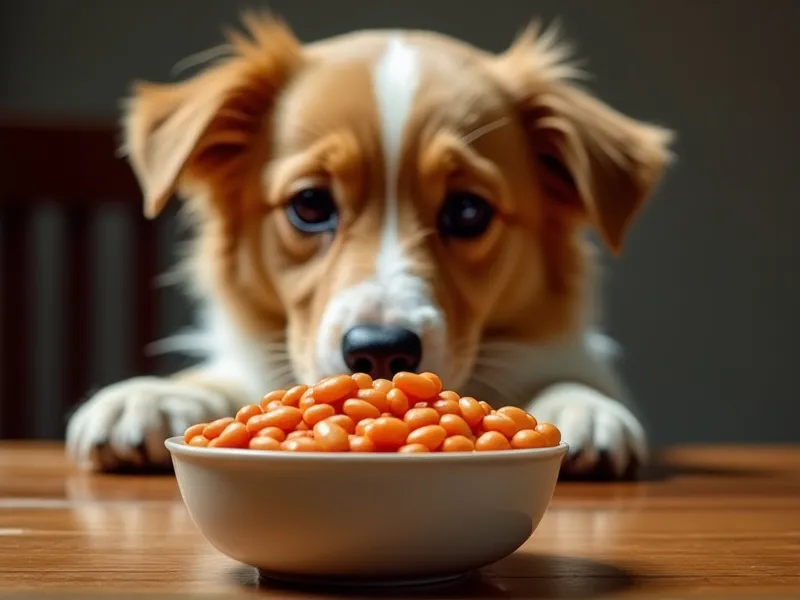
Table of Contents
- Can Dogs Eat Baked Beans? The Short Answer
- The Nutritional Breakdown: What’s Actually in Baked Beans?
- Potential Benefits (Yes, There Are a Few!)
- The Risks: Why Most Baked Beans Are a Bad Idea
- How Much Baked Beans Can Dogs Safely Eat?
- Healthier Alternatives to Baked Beans
- FAQ: Your Burning Questions Answered
- Conclusion: Play It Safe, Keep Them Happy
Can Dogs Eat Baked Beans? The Short Answer
Let’s cut to the chase: Dogs can technically eat tiny amounts of plain, unsweetened, unseasoned baked beans on very rare occasions. But here’s the catch: Most store-bought or homemade baked beans are loaded with ingredients that are not safe for dogs—like sugar, salt, onion, and garlic.
Think of it this way: Baked beans are a “human food” through and through. They’re crafted for our taste buds, not our pups’. While a single bean won’t harm your dog, a spoonful of the typical baked beans you’d serve at a cookout could lead to stomach upset… or worse.
The Nutritional Breakdown: What’s Actually in Baked Beans?
To understand why baked beans are tricky for dogs, let’s first look at what’s in them. A standard can of baked beans (like the kind you’d find at the grocery store) typically includes:
- Navy beans (the base): These are the “good” part—high in fiber, protein, and nutrients.
- Tomato sauce: Usually low-risk, but some dogs may have sensitivities.
- Sugar: Brown sugar, molasses, or corn syrup (added for sweetness).
- Salt: Often in high amounts to enhance flavor.
- Spices: Onion powder, garlic powder, paprika, or mustard (onion and garlic are toxic to dogs).
- Additives: Preservatives, thickeners, or artificial flavors (unnecessary and potentially harmful).
The problem? It’s the added ingredients (sugar, salt, onion/garlic) that turn a harmless bean into a risky treat. Let’s unpack the pros and cons.
Potential Benefits (Yes, There Are a Few!)
Before we dive into the risks, let’s give baked beans a tiny bit of credit. At their core, the beans themselves (plain, cooked navy beans) offer some nutritional perks for dogs:
1. Fiber for Digestion
Beans are rich in dietary fiber, which helps regulate your dog’s digestive system. A little fiber can ease constipation and support a healthy gut microbiome. But (and this is a big but!) most dogs get all the fiber they need from their regular dog food. Too much fiber (like from a big helping of beans) can backfire (more on that later).
2. Plant-Based Protein
Navy beans are a good source of plant protein, which can complement the animal-based protein in your dog’s diet. Protein is essential for muscle growth, repair, and overall energy. Again, though, your dog’s kibble or wet food is formulated to meet their protein needs—beans aren’t necessary.
3. Key Minerals
Beans contain iron (supports red blood cells), potassium (regulates heart and muscle function), and magnesium (aids bone health). These are all important nutrients, but again, they’re already in your dog’s balanced diet.
The Risks: Why Most Baked Beans Are a Bad Idea
Now, let’s talk about the real reason you should think twice before sharing your baked beans: the risks far outweigh the minor benefits. Here’s what to watch out for:
1. Sugar Overload
Most baked beans are packed with sugar—think molasses, brown sugar, or high-fructose corn syrup. Dogs don’t need sugar in their diet, and too much can lead to:
- Obesity: Extra calories from sugar quickly add up, increasing the risk of joint pain, diabetes, and heart disease.
- Dental issues: Sugar feeds harmful bacteria in your dog’s mouth, leading to cavities and gum disease.
- Energy spikes and crashes: Just like humans, dogs can get hyper from sugar, followed by a lethargic slump.
2. Sodium Toxicity
Salt is another major culprit. A single cup of canned baked beans can contain 1,000+ mg of sodium—that’s more than half the daily recommended sodium intake for a 50-pound dog (which is about 1,500 mg). Too much salt can cause:
- Thirst and excessive urination: Your dog may drink nonstop and need to pee more, leading to dehydration.
- Sodium ion poisoning: In severe cases, high sodium levels can cause vomiting, diarrhea, tremors, seizures, or even death. Small dogs are especially at risk here—their tiny bodies can’t handle as much salt as larger breeds.
3. Onion and Garlic: Hidden Toxins
Many baked bean recipes (homemade or store-bought) include onion or garlic powder for flavor. Both are toxic to dogs, even in small amounts. These ingredients damage your dog’s red blood cells, leading to a condition called hemolytic anemia, which can cause:
- Lethargy
- Weakness
- Pale gums
- Rapid breathing
- Collapse
ASPCA warns that even small doses of onion or garlic can be harmful, and symptoms may take days to appear.
4. Stomach Upset
Beans are high in fiber, and while a little fiber is good, too much can wreak havoc on your dog’s stomach. Common side effects include:
- Gas (a lot of it—your dog (and your nose) will notice!)
- Bloating (painful and potentially dangerous for deep-chested breeds)
- Diarrhea or constipation
5. Choking Hazard
Whole beans can be a choking risk, especially for small dogs or dogs who gulp their food. If a bean gets stuck in their throat, it could block their airway.
How Much Baked Beans Can Dogs Safely Eat?
If you must share a tiny taste (we get it—those puppy eyes are hard to resist!), here’s how to do it safely:
Portion Size Guidelines
Stick to micro-portions—think “a few beans,” not a spoonful. A general rule of thumb:
- Small dogs (5–10 lbs): 1–2 individual beans (mushed, to avoid choking).
- Medium dogs (30–50 lbs): 3–4 mushed beans.
- Large dogs (50+ lbs): 5–6 mushed beans.
Frequency
Only offer baked beans once in a blue moon—like, maybe on your birthday, when you’re feeling extra generous. They should never become a regular treat.
Always Check the Label!
If you do share, read the ingredients list first. Avoid any baked beans with:
- Onion/garlic (even “natural flavors” could include these!)
- Added sugar (brown sugar, molasses, corn syrup)
- High sodium (aim for <100 mg sodium per serving, though this is hard to find)
Healthier Alternatives to Baked Beans
Instead of baked beans, try these dog-safe, nutrient-packed alternatives that your pup will love:
1. Plain Cooked Beans
Skip the sugar, salt, and spices! Cook plain navy beans, black beans, or kidney beans in water (no seasoning) and offer a spoonful as a rare treat. They’re high in fiber and protein, minus the harmful additives. Just keep portions small (1–2 tablespoons for medium dogs) to avoid gas.
2. Green Beans
Cooked or raw green beans are a fantastic low-calorie snack. They’re high in fiber, vitamins A, C, and K, and dogs love their crunch. No added sugar or salt needed—just plain green beans!
3. Pumpkin (Plain, Canned)
Plain, unsweetened pumpkin (not pumpkin pie filling!) is a doggy superfood. It’s rich in fiber (great for upset tummies) and beta-carotene (supports eye health). Serve a tablespoon mixed into their food or as a standalone treat.
4. Carrots
Crunchy, sweet, and full of vitamin A—carrots are a classic dog favorite. They’re low in calories and help clean your dog’s teeth as they chew.
FAQ: Your Burning Questions Answered
Q: Can dogs eat canned baked beans?
A: No, not usually. Most canned baked beans have added sugar, salt, and onion/garlic powder—all harmful to dogs. Even “low-sodium” versions often have too much salt for pups.
Q: What if my dog ate a lot of baked beans by accident?
A: Don’t panic, but keep an eye on them. Symptoms to watch for: vomiting, diarrhea, excessive thirst, lethargy, or bloating. If you notice any of these, call your vet immediately. For small dogs or dogs who ate a full can, contact your vet right away—sodium or onion toxicity could be a risk.
Q: Are all beans bad for dogs?
A: No! Plain, cooked beans (navy, black, kidney, pinto) are safe in small amounts. Avoid raw beans (they contain lectins, which are toxic) and refried beans (high in salt and fat).
Q: Can puppies eat baked beans?
A: Worse for puppies. Puppies have smaller bodies, developing digestive systems, and are more sensitive to sugar, salt, and toxins. It’s best to avoid baked beans entirely for puppies.
Conclusion: Play It Safe, Keep Them Happy
At the end of the day, baked beans are a human food—one that’s better left off your dog’s plate. While the beans themselves have some nutritional benefits, the added sugar, salt, and toxic spices (like onion and garlic) make most baked beans a risky choice.
Instead of sharing your side dish, stick to dog-safe treats like plain cooked beans, green beans, or carrots. And when in doubt, always check with your vet before introducing new foods to your dog’s diet.
Your pup loves you no matter what—they’ll be just as happy with a belly rub or a game of fetch as they would with a bite of baked beans. Here’s to keeping those tails wagging and tummies healthy!
References
- American Society for the Prevention of Cruelty to Animals (ASPCA). “Onions, Garlic, Chives, and Leeks.” aspca.org
- PetMD. “Can Dogs Eat Beans? What You Need to Know.” petmd.com
- American Kennel Club (AKC). “Human Foods Dogs Can and Can’t Eat.” akc.org
- Veterinary Centers of America (VCA). “Sodium Ion Toxicity in Dogs.” vcahospitals.com