· 10 min read
Can Dogs Eat Bad Meat? What Pet Parents Need to Know
We’ve all been there: You’re cleaning out the fridge, and there it is—a forgotten package of chicken thighs or a container of leftover steak, pushed to the back and well past its expiration date. The meat smells a little funky, maybe has a slimy film or a grayish tint, but your dog is staring up at you with those big, soulful eyes, tail wagging like it holds the secret to eternal happiness. “Just a little won’t hurt, right?” you think. After all, dogs are descendants of wolves—aren’t they built to handle “scrappy” meals?
But before you toss that questionable meat to your pup, let’s get real: When it comes to “bad meat,” the risks far outweigh any perceived benefits. In this post, we’ll break down what “bad meat” really is, whether dogs can safely eat it, the dangers it poses, and how to keep your furry friend healthy and happy. Let’s dive in.
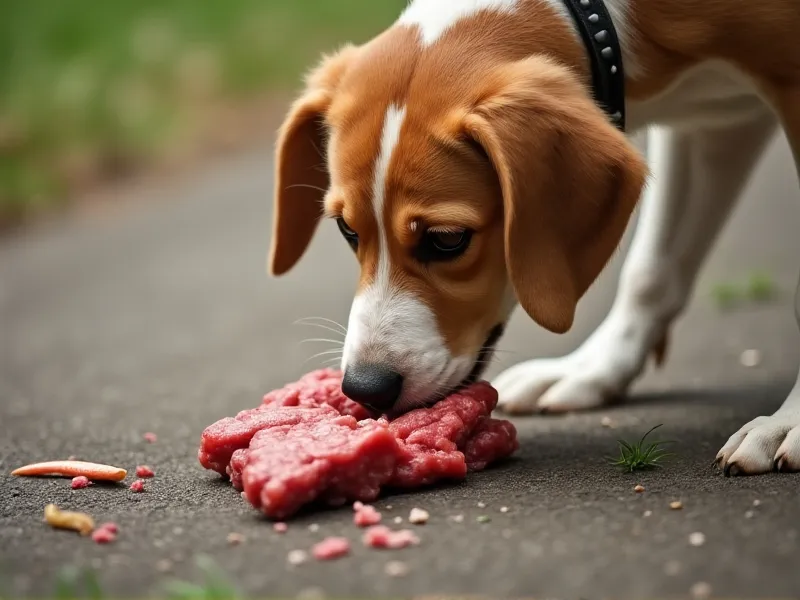
Table of Contents
- What Exactly Is “Bad Meat”?
- Can Dogs Eat Bad Meat? The Straightforward Answer
- The Risks of Feeding Bad Meat to Dogs: Why It’s Not Worth It
- Bacterial Infections: Salmonella, E. coli, and More
- Toxins from Mold and Spoilage
- Gastrointestinal Distress and Dehydration
- Long-Term Health Risks
- What to Do If Your Dog Accidentally Eats Bad Meat
- Safe Meat Guidelines: How to Feed Meat to Dogs Responsibly
- Healthier Alternatives to Bad Meat: Fresh, Nutritious Options
- Frequently Asked Questions (FAQ)
- Conclusion: Prioritizing Your Dog’s Health Over “Waste Not”
What Exactly Is “Bad Meat”?
First, let’s define our terms: “Bad meat” refers to meat that has spoiled, expired, or become unsafe to consume due to bacterial growth, mold, or chemical changes. It’s not just about the expiration date on the package (though that’s a helpful starting point). Signs that meat has gone bad include:
- Off smells: A sour, putrid, or ammonia-like odor (fresh meat should smell mild or “meaty,” not funky).
- Discoloration: Gray, green, or brown patches (fresh meat is typically red, pink, or pale pink, depending on the type).
- Slimy texture: A sticky or slippery film on the surface (fresh meat should feel firm and slightly moist, not slimy).
- Visible mold: Fuzzy spots (white, green, or black) are a clear red flag.
Even if meat looks okay but is past its “use-by” date, it could still harbor harmful bacteria like Salmonella or E. coli, which multiply rapidly at room temperature or in improperly stored conditions. When in doubt? When it comes to your dog’s health, trust your senses—and when in doubt, throw it out.
Can Dogs Eat Bad Meat? The Straightforward Answer
No. Dogs should never eat bad meat.
While it’s true that dogs have a reputation for being “scavengers” (thanks to their wolf ancestors), their digestive systems aren’t invincible. Spoiled meat contains dangerous bacteria, toxins, and pathogens that can make dogs seriously ill—even more so than humans in some cases.
Dogs do have stronger stomach acid than humans, which helps kill some bacteria, but it’s no match for the high levels of bacteria or the toxins produced by spoiled meat (like histamines from bacteria breaking down proteins). In short: That expired burger or moldy chicken isn’t a “treat”—it’s a health hazard.
The Risks of Feeding Bad Meat to Dogs: Why It’s Not Worth It
Spoiled meat might seem like a “quick snack” or a way to avoid waste, but the risks are severe. Let’s break down the dangers:
Bacterial Infections: Salmonella, E. coli, and More
Spoiled meat is a breeding ground for harmful bacteria, including:
- Salmonella: Causes vomiting, diarrhea (sometimes bloody), fever, lethargy, and loss of appetite. In severe cases, it can lead to sepsis (blood poisoning) or organ failure.
- E. coli: Produces toxins that damage the intestines, leading to severe diarrhea, abdominal pain, and dehydration. Some strains (like E. coli O157:H7) are particularly dangerous.
- Listeria: Rare but serious, causing fever, muscle aches, and neurological symptoms (tremors, seizures) in dogs.
- Clostridium perfringens: Thrives in spoiled meat and releases toxins that cause sudden, severe diarrhea (often with blood) and abdominal cramping.
These bacteria don’t just make dogs sick—they can also spread to humans. According to the CDC, Salmonella from pets (including dogs who’ve eaten contaminated meat) can cause illness in people, especially children, the elderly, or those with weakened immune systems.
Toxins from Mold and Spoilage
As meat spoils, bacteria and mold break down its proteins and fats, producing harmful toxins. One example is histamine, a chemical released when bacteria like Proteus or Morganella grow in spoiled fish or meat. Histamine poisoning (also called “scombroid poisoning”) causes symptoms like vomiting, diarrhea, swelling, hives, and even difficulty breathing in dogs.
Moldy meat may also contain mycotoxins, which are toxic to the liver and kidneys. Long-term exposure can lead to organ damage or failure.
Gastrointestinal Distress and Dehydration
Even if bacteria or toxins don’t cause a full-blown infection, spoiled meat can irritate your dog’s gut. Symptoms like vomiting, diarrhea, and abdominal pain are common, and these can quickly lead to dehydration—especially in small dogs, puppies, or senior pets. Dehydration is serious: It causes dry gums, sunken eyes, lethargy, and can even be life-threatening if left untreated.
Long-Term Health Risks
Repeatedly feeding spoiled meat (even in small amounts) can lead to chronic health issues. For example:
- Nutritional deficiencies: Spoiled meat loses its nutritional value as bacteria break down proteins, fats, and vitamins.
- Organ damage: Toxins from mold or bacteria can harm the liver, kidneys, or intestines over time.
- Antibiotic resistance: If your dog requires antibiotics to treat a bacterial infection from bad meat, overuse can lead to antibiotic-resistant bacteria, making future infections harder to treat.
What to Do If Your Dog Accidentally Eats Bad Meat
Mistakes happen. If you catch your dog raiding the trash or eating that forgotten package of spoiled meat, stay calm—and act fast. Here’s what to do:
1. Don’t Induce Vomiting Unless Told to Do So
While vomiting might seem like a quick fix, it can be dangerous if the meat contains sharp bones or if your dog is already vomiting (it could lead to aspiration). Never induce vomiting without consulting a vet first.
2. Monitor Your Dog Closely
Watch for symptoms of illness, which can appear within 1–24 hours (or even up to 48 hours later). Red flags include:
- Vomiting (more than once)
- Diarrhea (especially bloody or watery)
- Lethargy or weakness
- Loss of appetite
- Fever (normal dog temperature is 100.5–102.5°F; anything above 103°F is a fever)
- Abdominal pain (whining, pacing, or refusing to be touched on the belly)
3. Contact Your Vet Immediately
Even if your dog seems fine at first, call your vet. They may recommend:
- Bringing your dog in for an exam to check for dehydration or infection.
- Blood work or stool tests to identify bacteria or toxins.
- Treatment (e.g., IV fluids for dehydration, antibiotics for bacterial infections, or activated charcoal to absorb toxins).
4. Save the Packaging (If Possible)
If you have the meat package, note the type of meat, expiration date, and any visible signs of spoilage. This can help your vet diagnose the issue faster.
Safe Meat Guidelines: How to Feed Meat to Dogs Responsibly
While bad meat is off-limits, fresh, properly stored meat can be a healthy part of your dog’s diet (in moderation). Here’s how to do it safely:
1. Stick to Fresh, Unspoiled Meat
- Buy meat before its “use-by” date, and store it properly: Refrigerate at 40°F or below, or freeze at 0°F.
- Thaw frozen meat in the fridge (not on the counter) to prevent bacterial growth.
- Cook meat thoroughly (unless feeding a balanced raw diet under veterinary supervision). Cooking kills harmful bacteria like Salmonella and E. coli.
2. Avoid Seasonings and Additives
Skip the salt, garlic, onion, or spices—these can be toxic to dogs. Plain, unseasoned meat is best.
3. Moderation Is Key
Meat should be a treat or supplement, not the main course. Too much meat can lead to obesity, pancreatitis (especially fatty meats like bacon), or nutrient imbalances. Aim for meat to make up no more than 10% of your dog’s daily calories.
4. Choose Lean Cuts
Opt for lean meats like chicken breast, turkey, or lean beef to avoid excess fat, which can cause stomach upset or pancreatitis.
Healthier Alternatives to Bad Meat: Fresh, Nutritious Options
Instead of risking bad meat, treat your dog to these safe, delicious alternatives:
1. Fresh, Cooked Meat
- Chicken: Boneless, skinless chicken breast (cooked) is a low-fat, high-protein option.
- Turkey: Lean ground turkey or turkey breast (cooked) is gentle on sensitive stomachs.
- Beef: Lean cuts like sirloin or round steak (cooked, no bones) are rich in iron and zinc.
2. Freeze-Dried or Dehydrated Meats
These are shelf-stable, minimally processed, and free from bacteria (thanks to dehydration). Look for brands with no added salt or preservatives (e.g., Stella & Chewy’s, Orijen).
3. Canned Meats (Unsalted)
Plain, unsalted canned chicken or tuna (in water, not oil) is a convenient, safe option. Avoid canned meats with added sauces or salt.
4. Vegetarian Protein Sources
If you’re out of meat, try cooked eggs (scrambled or hard-boiled), plain Greek yogurt (unsweetened), or cooked lentils (a great source of fiber and protein).
Frequently Asked Questions (FAQ)
Q: My dog ate bad meat but seems fine. Should I still worry?
A: Yes. Symptoms like vomiting or diarrhea can take 12–48 hours to appear. Monitor your dog closely for 2 days, and contact your vet if they show any signs of illness.
Q: How can I tell if meat is “still okay” to feed my dog?
A: When in doubt, throw it out. If the meat smells off, has changed color, or feels slimy, it’s spoiled. Even “slightly expired” meat can harbor bacteria—better safe than sorry.
Q: Can dogs eat raw meat that’s expired?
A: No. Raw meat is already riskier (due to bacteria like Salmonella), and expired raw meat is even more dangerous. Only feed raw meat if it’s fresh, from a reputable source, and part of a balanced raw diet approved by your vet.
Q: What if my dog ate a small amount of bad meat?
A: A tiny bite might not cause severe illness, but it’s still risky. Watch for symptoms and call your vet if you’re concerned—especially if your dog is young, old, or has health issues.
Q: Is it okay to feed my dog meat that’s been left out overnight?
A: No. Meat left at room temperature for more than 2 hours (or 1 hour if it’s 90°F or hotter) grows bacteria rapidly. Toss it—don’t risk it.
Conclusion: Prioritizing Your Dog’s Health Over “Waste Not”
At the end of the day, the question “Can dogs eat bad meat?” has a simple answer: No. Spoiled meat is loaded with bacteria, toxins, and pathogens that can make your dog sick—sometimes severely. While it’s tempting to avoid waste, your dog’s health is worth far more than a few dollars’ worth of expired meat.
Instead, opt for fresh, properly stored, and cooked meats as occasional treats, and stick to their regular, balanced dog food for most meals. And if your dog ever accidentally eats bad meat, don’t panic—monitor them closely and call your vet right away.
Your pup relies on you to keep them safe, and that means saying “no” to bad meat. After all, a healthy dog is a happy dog—and that’s the best treat of all.
References
- American Society for the Prevention of Cruelty to Animals (ASPCA). “People Foods to Avoid Feeding Your Pets.” aspca.org/pet-care/animal-poison-control/people-foods-avoid-feeding-your-pets
- American Veterinary Medical Association (AVMA). “Feeding Your Dog: The Basics.” avma.org/resources/pet-owners/nutrition/feeding-your-dog-basics
- Centers for Disease Control and Prevention (CDC). “Salmonella and Pets.” cdc.gov/healthypets/pets/salmonella.html
- PetMD. “Food Poisoning in Dogs.” petmd.com/dog/conditions/digestive/food-poisoning-dogs