· 8 min read
Can Dogs Eat Bacon Grease? The Surprising Truth Every Pet Parent Should Know
It’s Sunday morning. The kitchen fills with the mouthwatering aroma of crispy bacon, and as you reach for the paper towel to drain the grease, you hear it: the whine. Your dog, tail thumping a mile a minute, is staring up at you with those big, pleading eyes, as if to say, “Just a little taste? Please?”
Bacon grease is a guilty pleasure for many humans—drizzled on burgers, mixed into scrambled eggs, or even used to fry potatoes. But when it comes to our furry friends, the question lingers: Is bacon grease safe for dogs?
If you’ve ever wondered whether that golden liquid is a harmless treat or a hidden hazard, you’re not alone. In this post, we’ll dive into the science, the risks, and the (very limited) benefits of sharing bacon grease with your pup. We’ll also cover safer alternatives, answer your most pressing questions, and help you make the best choice for your dog’s health. Let’s get started!
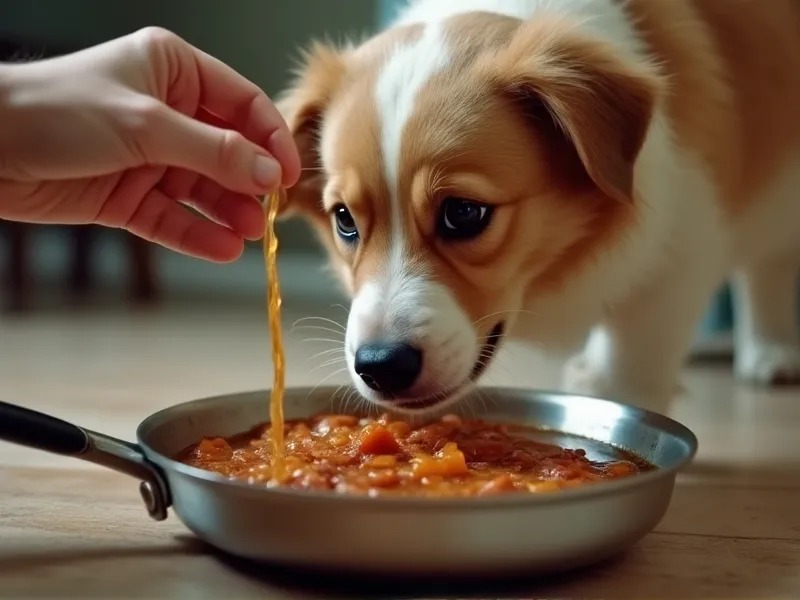
Table of Contents
- Can Dogs Eat Bacon Grease? The Short Answer
- The Temptation: Why We Want to Share (Spoiler: Those Eyes!)
- Potential “Benefits” of Bacon Grease—Myth or Reality?
- Nutrients: A Tiny Silver Lining?
- Fiber and Potassium: Not Exactly a Superfood
- The Risks: Why Bacon Grease Isn’t a Good Idea
- High Fat Content: A Pancreatitis Danger
- Sodium Overload: Too Much Salt Is Toxic
- Processed Additives: Nitrates, Nitrites, and More
- Stomach Upset and Digestive Distress
- How Much Bacon Grease Is “Safe” for Dogs? (Hint: Less Than You Think)
- Healthier Alternatives to Bacon Grease: Treats Your Dog Will Love
- Lean Proteins: The Gold Standard
- Fiber-Rich Additions: Pumpkin and Sweet Potatoes
- Healthy Fats: Olive Oil and Coconut Oil
- FAQ: Your Burning Questions About Dogs and Bacon Grease
- Final Thoughts: Love Them Enough to Say “No” (Mostly)
Can Dogs Eat Bacon Grease? The Short Answer
No, dogs should not eat bacon grease—at least, not regularly or in large amounts.
While a tiny, accidental drizzle (think: a few drops from your breakfast pan) might not immediately harm a healthy dog, bacon grease is high in fat, salt, and potentially harmful additives. These can lead to serious health issues, from upset tummies to life-threatening conditions like pancreatitis.
In short: Those puppy eyes are hard to resist, but your dog’s long-term health is worth saying “no” to the grease.
The Temptation: Why We Want to Share (Spoiler: Those Eyes!)
Let’s be honest—sharing food with our dogs feels good. It’s a way to bond, and watching them light up over a “human” treat is heartwarming. Bacon grease, in particular, smells (and tastes!) amazing to dogs. Their powerful noses pick up on the rich, salty aroma, and their taste buds crave the fat.
Plus, many of us grew up hearing that “a little grease never hurt anyone.” But here’s the thing: Dogs aren’t tiny humans. Their bodies process food differently, and what’s a harmless indulgence for us can be dangerous for them.
Potential “Benefits” of Bacon Grease—Myth or Reality?
You might have heard rumors that bacon grease has “nutrients” or “fiber” that could help your dog. Let’s separate fact from fiction.
Nutrients: A Tiny Silver Lining?
Bacon grease is made up of about 90% fat (mostly saturated and monounsaturated fats) and 10% protein, with trace amounts of vitamins like B12 and minerals like zinc. But here’s the catch: These nutrients are present in such small quantities that they’re negligible. Your dog would need to consume dangerous amounts of grease to get any meaningful nutritional benefit—and by then, the risks would far outweigh the perks.
Fiber and Potassium: Not Exactly a Superfood
Bacon grease has no fiber (fiber comes from plant-based foods, not animal fat). As for potassium? While bacon itself contains small amounts, the grease retains very little. You’d be better off giving your dog a slice of banana (high in potassium) or a spoonful of pumpkin (fiber) than relying on bacon grease for these nutrients.
The bottom line: Any “benefits” of bacon grease are minimal and not worth the health risks.
The Risks: Why Bacon Grease Isn’t a Good Idea
Now, let’s get serious about the dangers. Bacon grease might seem harmless, but it’s packed with ingredients that can harm your dog—even in small doses.
High Fat Content: A Pancreatitis Danger
The biggest risk of bacon grease is its extremely high fat content. Dogs’ bodies aren’t designed to process large amounts of fat, especially saturated fat. When they eat too much, their pancreas (an organ that produces digestive enzymes) can become inflamed—a condition called pancreatitis.
Pancreatitis is painful and potentially life-threatening. Symptoms include:
- Vomiting (sometimes with bile)
- Abdominal pain (your dog may hunch over or avoid being touched)
- Lethargy or weakness
- Loss of appetite
- Diarrhea
In severe cases, pancreatitis can lead to organ failure. Even mild cases require veterinary care, including IV fluids and pain medication.
Small dogs, overweight dogs, and breeds prone to pancreatitis (like Miniature Schnauzers, Cocker Spaniels, and Yorkshire Terriers) are at even higher risk.
Sodium Overload: Too Much Salt Is Toxic
Bacon is loaded with salt, and that salt leaches into the grease. Dogs need sodium to function, but only in tiny amounts. The average slice of bacon has about 400mg of sodium—more than half the daily recommended amount for a 20-pound dog!
Too much sodium can cause sodium ion poisoning, which damages cells and disrupts fluid balance. Symptoms include:
- Excessive thirst and urination
- Vomiting or diarrhea
- Tremors or seizures
- Rapid heartbeat
- In severe cases, coma or death
Even a few tablespoons of bacon grease can push your dog over their sodium limit, especially if they’re small or have kidney issues.
Processed Additives: Nitrates, Nitrites, and More
Most store-bought bacon is processed with preservatives like nitrates and nitrites to keep it fresh and give it that pink color. When these chemicals break down in the body, they form nitrosamines—compounds linked to cancer in animals (and humans).
While the FDA regulates nitrate levels in food, dogs are more sensitive to these additives than we are. Over time, regular consumption could increase their cancer risk. Some bacon also contains artificial flavors or spices (like garlic or onion powder), which are toxic to dogs.
Stomach Upset and Digestive Distress
Even if your dog avoids pancreatitis or sodium poisoning, bacon grease can still cause gastrointestinal upset. The high fat content can irritate the stomach lining, leading to vomiting, diarrhea, or greasy stools. For dogs with sensitive stomachs (like those with IBS or food allergies), this can be especially uncomfortable.
How Much Bacon Grease Is “Safe” for Dogs? (Hint: Less Than You Think)
If your dog accidentally laps up a few drops of grease from the pan, don’t panic—they’ll likely be fine. But “safe” doesn’t mean “recommended.”
As a general rule:
- Small dogs (under 20 lbs): Avoid entirely. Even a teaspoon could cause stomach upset.
- Medium dogs (20–50 lbs): A tiny drizzle (less than ½ teaspoon) once in a blue moon might not hurt, but it’s still risky.
- Large dogs (50+ lbs): Maybe a teaspoon, but again—why risk it?
Pro tip: If you do share (we get it, those eyes!), monitor your dog for 24 hours. Watch for vomiting, diarrhea, or lethargy. If you see any of these, call your vet.
Healthier Alternatives to Bacon Grease: Treats Your Dog Will Love
Instead of risking bacon grease, try these dog-safe alternatives that are just as tasty (to them!) and way better for their health:
Lean Proteins: The Gold Standard
Dogs thrive on protein, but it should be lean and unseasoned. Try:
- Cooked chicken or turkey: Remove the skin and bones, then dice into small pieces.
- Boiled beef: Lean cuts like sirloin, cooked without salt or spices.
- Salmon: Rich in omega-3s (great for skin and coat!), but serve cooked and boneless.
Fiber-Rich Additions: Pumpkin and Sweet Potatoes
For a boost of fiber (and nutrients like vitamin A), add a spoonful of:
- Plain canned pumpkin: Not the pie filling! Look for 100% pumpkin (no sugar or spices).
- Cooked sweet potato: Mashed or diced—dogs love the natural sweetness.
Healthy Fats: Olive Oil and Coconut Oil
If you want to add a little healthy fat to their diet (to support skin, coat, or digestion), try:
- Olive oil: A teaspoon mixed into their food (great for dry skin).
- Coconut oil: A small scoop (start with ¼ teaspoon for small dogs) for energy and immune support.
FAQ: Your Burning Questions About Dogs and Bacon Grease
Q: My dog ate a lot of bacon grease—what should I do?
A: If it’s more than a few drops, call your vet immediately. Watch for symptoms of pancreatitis (vomiting, abdominal pain) or sodium poisoning (thirst, seizures). Your vet may recommend inducing vomiting or monitoring for 24–48 hours.
Q: Is bacon grease better than actual bacon for dogs?
A: No! Bacon itself is high in fat, salt, and additives—grease is just the concentrated version. Both are risky.
Q: Can puppies have bacon grease?
A: Puppies have sensitive digestive systems and are more prone to pancreatitis. Avoid bacon grease entirely.
Q: Are there any dogs that should never have bacon grease?
A: Yes! Dogs with:
- Pancreatitis (even a history of it)
- Kidney disease (can’t process excess salt)
- Obesity (high fat worsens weight issues)
- Diabetes (fat affects blood sugar)
Q: What if my dog begs for bacon grease every morning?
A: Redirect their attention with a dog-safe treat (like a carrot stick or store-bought training treat) or playtime. Consistency is key—if you give in sometimes, they’ll keep begging!
Final Thoughts: Love Them Enough to Say “No” (Mostly)
Bacon grease is a tempting treat, but the risks—pancreatitis, sodium poisoning, digestive upset—are too great. Your dog might beg, but they’ll thank you later with a healthy, happy life.
Instead of sharing grease, opt for safer alternatives like lean proteins, pumpkin, or a tiny drizzle of olive oil. And when in doubt, always check with your vet—they know your dog’s health best.
Here’s to many more bacon-scented mornings… with your pup happily munching on a carrot instead of grease. 🥓❤️🐾
References:
- American Kennel Club (AKC). “Pancreatitis in Dogs.” akc.org
- ASPCA. “Toxic and Non-Toxic Foods for Dogs.” aspca.org
- VCA Animal Hospitals. “Sodium Ion Poisoning in Dogs.” vcahospitals.com
- PetMD. “Nitrates and Nitrites in Pet Food: What You Need to Know.” petmd.com