· 9 min read
Can Dogs Eat Bacon Fat? The Surprising Truth Every Pet Parent Should Know
It’s a familiar morning scene: You’re frying up a batch of crispy bacon, the kitchen fills with that irresistible, salty aroma, and suddenly, you feel a wet nose nuzzling your hand. There’s your dog—tail thumping, ears perked, eyes wide and hopeful—begging for a tiny taste of that golden, sizzling bacon fat.
We’ve all been there. Sharing food with our dogs feels like a love language, and bacon fat seems harmless enough, right? After all, it’s just a byproduct of one of our favorite breakfast foods. But as pet parents, we know better than to assume human treats are safe for our furry friends. So, can dogs eat bacon fat? Is that occasional drizzle from your pan a harmless indulgence, or a hidden danger in your kitchen?
In this post, we’ll dive into the science, the risks, and the (very few) potential benefits of feeding bacon fat to dogs. We’ll also share safer alternatives to satisfy your pup’s cravings and answer the questions you’re probably already asking (like, “What if my dog already stole a glob of it?!”). Let’s get started.
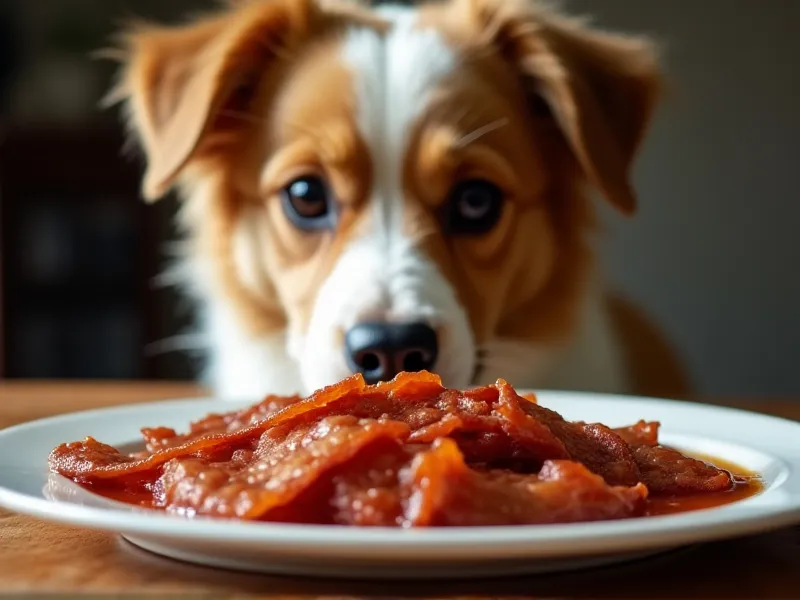
Table of Contents
- Can Dogs Eat Bacon Fat? The Short Answer
- What Is Bacon Fat, Anyway?
- Potential Benefits of Bacon Fat for Dogs: Separating Fact from Fiction
- The Risks of Feeding Bacon Fat to Dogs: Why Vets Warn Against It
- How Much Bacon Fat Is “Safe” for Dogs? Spoiler: It’s Not Recommended
- Healthier Alternatives to Bacon Fat for Your Dog
- FAQ: Your Burning Questions About Dogs and Bacon Fat
- Conclusion: Love Your Dog—Skip the Bacon Fat
Can Dogs Eat Bacon Fat? The Short Answer
No, dogs should not eat bacon fat—even in small amounts.
While a tiny lick off the counter might not send your dog to the vet immediately, bacon fat is high in saturated fat, sodium, and can trigger serious health issues like pancreatitis, gastrointestinal upset, or long-term problems like obesity. Veterinarians and animal nutrition experts universally advise against feeding bacon fat to dogs, as the risks far outweigh any minimal “benefits.”
What Is Bacon Fat, Anyway?
Before we dig into why bacon fat is risky, let’s clarify what we’re talking about. Bacon fat (also called “bacon grease”) is the rendered fat from pork belly, which is cured, smoked, and sliced into bacon. When cooked, bacon releases this fat, which is often saved for cooking (think: frying eggs or seasoning cast-iron pans).
Nutritionally, bacon fat is almost entirely fat—about 90% of its calories come from fat, with most of that being saturated fat (the kind linked to heart disease in humans and pets alike). It also contains high levels of sodium (from the curing process) and, depending on the brand, additives like nitrates or sugar (yes, some bacon is sweetened!).
Potential Benefits of Bacon Fat for Dogs: Separating Fact from Fiction
You might be thinking, “But fat is part of a dog’s diet—don’t they need it?” It’s true: Dogs require healthy fats for energy, shiny coats, and brain function. But not all fats are created equal. Let’s break down the “potential benefits” of bacon fat—and why they’re not worth celebrating.
1. Trace Nutrients (But Not Enough to Matter)
Bacon fat does contain tiny amounts of vitamins, like B vitamins (B12, niacin, thiamine) and minerals like selenium. However, these amounts are minuscule compared to what your dog gets from a balanced, commercial dog food. For example, a single tablespoon of bacon fat has about 0.5 mcg of B12—whereas a cup of high-quality dog food provides 20–30 mcg. Your dog would need to eat dangerous amounts of bacon fat to get meaningful nutrients, which negates any upside.
2. “Taste Appeal” (But at What Cost?)
Let’s be real: The biggest “benefit” of bacon fat is that dogs love it. It’s a powerful motivator for training or picky eaters. But there are plenty of dog-safe treats that taste great and support your dog’s health (more on that later). Sacrificing their well-being for a quick flavor boost isn’t worth it.
The bottom line: Any “benefits” of bacon fat are negligible and easily obtained from safer sources.
The Risks of Feeding Bacon Fat to Dogs: Why Vets Warn Against It
Now, let’s get to the serious stuff. Bacon fat isn’t just “unhealthy”—it can be dangerous. Here’s why vets and animal organizations like the American Society for the Prevention of Cruelty to Animals (ASPCA) and the American Veterinary Medical Association (AVMA) caution against it.
1. Pancreatitis: A Life-Threatening Risk
Pancreatitis is inflammation of the pancreas, an organ that produces digestive enzymes and insulin. When a dog eats high-fat foods like bacon fat, the pancreas goes into overdrive, releasing enzymes that attack its own tissue. This causes severe pain, vomiting, diarrhea, and in severe cases, organ failure or death.
According to the Journal of Veterinary Internal Medicine, dietary fat is a leading trigger for pancreatitis in dogs. Even small amounts of bacon fat can be risky, especially for breeds prone to the condition (like Miniature Schnauzers, Cocker Spaniels, and Yorkshire Terriers) or dogs with a history of pancreatitis.
2. Gastrointestinal Upset (Vomiting, Diarrhea, and Worse)
Dogs’ digestive systems aren’t built to handle large amounts of fat. Feeding bacon fat can cause immediate issues like:
- Nausea and vomiting
- Diarrhea (sometimes bloody, if the gut lining is irritated)
- Abdominal pain or bloating
In severe cases, this can lead to dehydration, electrolyte imbalances, or even a life-threatening condition called “gastric dilatation-volvulus” (GDV, or bloat) in deep-chested breeds.
3. High Sodium: A Hidden Danger
Bacon is cured with salt, which means bacon fat inherits that sodium. A single slice of bacon contains about 400 mg of sodium; the fat from that slice has roughly 100–150 mg. For context, a 30-pound dog should consume no more than 100 mg of sodium per day (according to the National Research Council). A few licks of bacon fat could push them over that limit, leading to:
- Thirst and excessive urination
- Sodium ion poisoning (symptoms: tremors, seizures, coma)
- Long-term kidney damage (from chronic high sodium intake)
4. Choking Hazards (Yes, Even Fat!)
If you’re feeding leftover bacon bits along with the fat, or if the fat has crispy, solidified chunks, your dog could choke. Small pieces can also get stuck in their throat or intestines, causing blockages that require surgery.
5. Weight Gain and Obesity
Bacon fat is calorie-dense: Just 1 tablespoon has about 120 calories (almost all from fat). For a 20-pound dog, that’s 10% of their daily calorie needs (most dogs need 200–300 calories/day). Feeding even small amounts regularly adds up, leading to obesity—a risk factor for diabetes, arthritis, and heart disease.
How Much Bacon Fat Is “Safe” for Dogs? Spoiler: It’s Not Recommended
You might be thinking, “But my dog only gets a tiny bit, once in a while—surely that’s okay?” The truth is, there’s no “safe” amount of bacon fat for dogs. Every dog is different: A small dog (like a Chihuahua) could react to a teaspoon, while a large dog (like a Great Dane) might tolerate a tablespoon… but that doesn’t make it healthy.
Veterinary nutritionists emphasize that bacon fat has no place in a dog’s diet. If your dog accidentally licks a small amount (e.g., a drop from the pan), monitor them for 24 hours for vomiting, diarrhea, or lethargy. But intentionally feeding it—even “just a little”—is a risk not worth taking.
Healthier Alternatives to Bacon Fat for Your Dog
If you want to treat your dog to something tasty (and safe!), skip the bacon fat and opt for these vet-approved alternatives:
1. Lean Cooked Meats
- Chicken or turkey breast: Boiled, baked, or grilled (no salt, seasonings, or skin). High in protein, low in fat.
- Lean beef: Like sirloin or ground beef (drained of fat). A great source of iron and zinc.
2. Healthy Fats (For Shiny Coats and Energy)
- Fish oil: Rich in omega-3 fatty acids (supports joint health and skin). Ask your vet for dosage (typically 1000 mg/20 lbs of body weight).
- Coconut oil: A small amount (1/4 tsp for small dogs, 1 tsp for large dogs) can boost metabolism and coat health (feed sparingly, as it’s high in calories).
- Pumpkin seeds: Ground up, they’re a source of omega-6 fatty acids and fiber (great for digestion).
3. Low-Calorie Veggies (For Crunch and Fiber)
- Carrots: Crunchy, low-calorie, and full of vitamin A.
- Green beans: Steamed or raw (no salt) for a fiber boost.
- Blueberries: Packed with antioxidants (and dogs love their sweetness!).
4. Commercial Dog Treats (Choose Wisely)
Look for treats with:
- Limited ingredients (no byproducts, artificial flavors, or added sugar)
- High protein (chicken, turkey, or fish as the first ingredient)
- Low fat (under 10% fat content)
Brands like Zuke’s, Blue Buffalo Wilderness, or Wellness Core are good options.
FAQ: Your Burning Questions About Dogs and Bacon Fat
Q: My dog stole a big glob of bacon fat off the counter! What should I do?
A: Stay calm. If it’s within 2 hours of ingestion, call your vet—they may induce vomiting to prevent absorption. If more than 2 hours have passed, monitor your dog for 24–48 hours for symptoms: vomiting, diarrhea, lethargy, loss of appetite, or abdominal pain. If any of these occur, head to the vet immediately (pancreatitis can develop quickly).
Q: Is cooked bacon fat safer than raw bacon fat?
A: No. Cooking bacon fat doesn’t reduce its fat or sodium content—it just makes it more palatable (for both you and your dog). Raw bacon fat may carry additional risks (like bacteria like Salmonella), but cooked fat is still dangerous due to its high fat/sodium.
Q: Can puppies or senior dogs eat bacon fat?
A: Puppies have sensitive digestive systems, so bacon fat could cause severe upset. Senior dogs are more prone to pancreatitis, kidney issues, and obesity—so bacon fat is even riskier for them.
Q: What if my dog only gets bacon fat once a year (like on Christmas)?
A: Even occasional feeding isn’t worth the risk. Pancreatitis doesn’t care about “special occasions”—a single high-fat meal can trigger it. Save the holiday treats for something safer, like a slice of plain turkey.
Conclusion: Love Your Dog—Skip the Bacon Fat
At the end of the day, we all want to spoil our dogs. That’s why it’s tempting to share our favorite foods, like bacon fat. But when it comes to their health, “a little taste” can have big consequences.
Bacon fat offers no nutritional value your dog can’t get from their regular food or safer treats. Instead, opt for lean meats, veggies, or vet-approved supplements to show them love. And if you’re ever unsure about a food, ask your vet—they know your dog’s unique health needs best.
Your dog’s tail wags just as hard for a carrot stick as it does for bacon fat, we promise. And their pancreas (and kidneys, and waistline) will thank you.
References
- American Society for the Prevention of Cruelty to Animals (ASPCA). “People Foods to Avoid Feeding Your Pets.” aspca.org
- American Veterinary Medical Association (AVMA). “Pancreatitis in Dogs.” avma.org
- Veterinary Nutrition Support. “Dietary Fat and Pancreatitis in Dogs.” Journal of Veterinary Internal Medicine, 2019.
- PetMD. “Can Dogs Eat Bacon?” petmd.com
- National Research Council. “Nutrient Requirements of Dogs and Cats.” National Academies Press, 2006.