· 9 min read
Can Dogs Eat Bacon Bits? What Pet Parents Need to Know
It’s a familiar scene: You’re whipping up a salad or a breakfast plate, and that little red jar of bacon bits comes out. The salty, smoky aroma fills the kitchen, and suddenly, your dog is at your feet—tail thumping, nose twitching, those big, hopeful eyes locked on your hand. “Just a tiny sprinkle won’t hurt, right?” you think. But before you share, let’s get real: Can dogs eat bacon bits? Are they a harmless treat, or a hidden danger in disguise?
As pet parents, we want to spoil our pups, but their health always comes first. In this post, we’ll break down the facts about bacon bits, from their ingredients to the risks (and very few benefits) they pose to your dog. We’ll also share safer alternatives and answer your most pressing questions. Let’s dive in!
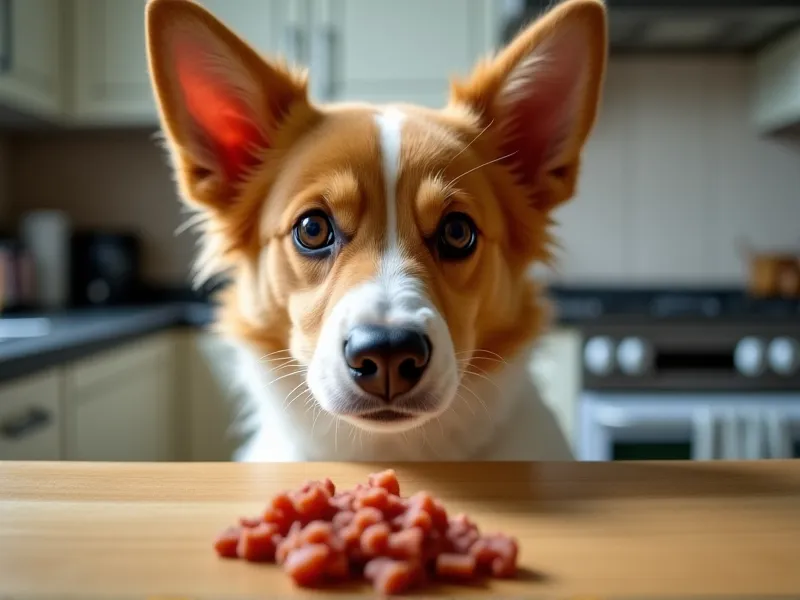
Table of Contents
- Can Dogs Eat Bacon Bits? The Short Answer
- What Are Bacon Bits, Anyway?
- Potential Benefits of Bacon Bits for Dogs (Spoiler: They’re Minimal)
- The Risks of Feeding Bacon Bits to Dogs (Why They’re Best Avoided)
- How Much Bacon Bits Can Dogs Safely Eat? (If Any)
- Healthier Alternatives to Bacon Bits for Dogs
- FAQ: Your Burning Questions Answered
- Conclusion: Love Your Dog—Skip the Bacon Bits
Can Dogs Eat Bacon Bits? The Short Answer
No, dogs should not eat bacon bits—at least not regularly, and ideally not at all. While a single tiny bacon bit might not immediately harm your dog, these processed snacks are high in salt, fat, and often added sugars or preservatives. Over time (or even in large one-time doses), they can lead to serious health issues like pancreatitis, sodium poisoning, or obesity. Think of bacon bits as the doggy equivalent of potato chips: tasty, but nutritionally empty and risky in excess.
What Are Bacon Bits, Anyway?
Before we dive into whether they’re safe, let’s clarify what bacon bits actually are. Contrary to what the name suggests, not all “bacon bits” are made from real bacon. There are two main types:
- Real bacon bits: These are typically made from leftover or processed pork belly, cured with salt, smoked, cooked, and then dried or fried into small, crispy pieces. They’re high in fat, salt, and often contain preservatives like sodium nitrite (used to extend shelf life and add that pink color).
- Imitation bacon bits: These are plant-based (usually soy protein) and flavored to mimic bacon. While they’re pork-free, they’re still loaded with salt, artificial flavors, and sometimes added sugars to make up for the lack of real bacon’s natural flavor.
Both types pose risks to dogs, but the real deal is often worse due to higher fat content. Either way, they’re a far cry from a balanced, dog-friendly snack.
Potential Benefits of Bacon Bits for Dogs (Spoiler: They’re Minimal)
Let’s start with the good news (if you can call it that): Are there any benefits to feeding bacon bits to dogs? In short, they’re negligible. Here’s why:
1. Trace Nutrients (But Not Enough to Matter)
Bacon bits do contain small amounts of protein, and real bacon bits might have trace amounts of B vitamins (like B12) or minerals like zinc. However, these nutrients are present in such tiny quantities that they won’t contribute meaningfully to your dog’s diet. A single sprinkle of bacon bits has less protein than a single bite of cooked chicken breast, and way more salt and fat to offset any “benefit.”
2. They’re Tasty (But That’s a Double-Edged Sword)
Dogs love the salty, smoky flavor of bacon bits—and hey, who can blame them? That taste can make them eager to “work” for treats during training, but it also raises a red flag: Dogs can quickly develop a preference for salty, fatty foods, making them less interested in their balanced dog food. Over time, this can lead to picky eating or even malnutrition if they refuse their regular meals.
The bottom line: Any “benefits” of bacon bits are overshadowed by their risks. Your dog would get more nutrition from a single carrot stick than a handful of bacon bits.
The Risks of Feeding Bacon Bits to Dogs (Why They’re Best Avoided)
Now, let’s get to the important part: the risks. While an occasional tiny bite might not hurt, regular or large servings of bacon bits can lead to serious health issues. Here’s what to watch out for:
1. High Sodium: A Recipe for Dehydration and Electrolyte Imbalance
Dogs need far less salt than humans. According to the American Kennel Club (AKC), the recommended sodium intake for dogs is about 0.25 grams per 1,000 calories of food. A single tablespoon of real bacon bits can contain 500–800 mg of sodium—that’s more than the daily recommended amount for a small dog (like a Chihuahua) in one tiny serving!
Too much sodium can cause:
- Excessive thirst and urination
- Dehydration
- Electrolyte imbalances (which can affect the heart and nervous system)
- In severe cases, sodium ion poisoning (symptoms include vomiting, diarrhea, tremors, seizures, or even death).
2. High Fat: A Leading Cause of Pancreatitis
Bacon (real or imitation) is incredibly high in fat. Real bacon bits can be up to 40% fat by weight, and even imitation versions often have added oils to mimic bacon’s texture. Dogs’ bodies aren’t designed to process large amounts of fat, which can trigger pancreatitis—a painful, potentially life-threatening condition where the pancreas becomes inflamed.
Pancreatitis symptoms include:
- Vomiting
- Abdominal pain (your dog may hunch over or refuse to be touched)
- Lethargy
- Loss of appetite
- Diarrhea (sometimes bloody)
Pancreatitis requires immediate veterinary care and can lead to long-term health issues, even with treatment.
3. Added Sugars and Artificial Additives
Many bacon bits (especially imitation ones) contain added sugars to enhance flavor. Dogs don’t need sugar in their diet, and excess sugar can lead to obesity, dental decay, or even diabetes over time.
Additionally, some brands use artificial flavors, colors, or preservatives like sodium nitrite. While the FDA considers sodium nitrite safe for humans in small amounts, there’s concern that high intake may increase cancer risk in pets (though research is ongoing). At best, these additives offer no nutritional value—at worst, they’re unnecessary toxins.
4. Choking Hazard (Especially for Small Dogs)
Bacon bits are small, hard, and crispy—perfect for getting stuck in a dog’s throat, especially if they’re gobbling them down. Small breeds like Yorkies or Chihuahuas are at higher risk, but even medium dogs can choke if they eat too many at once.
How Much Bacon Bits Can Dogs Safely Eat? (If Any)
Let’s say you accidentally dropped a few bacon bits on the floor, and your dog scarfed them up. Should you panic? Probably not—if it was just a tiny amount (think 1–2 bits for a small dog, 3–4 for a large dog). But that’s the exception, not the rule.
The safest amount is zero. Even occasional feeding can add up over time, increasing the risk of pancreatitis, obesity, or sodium overload. If you must share (we get it—those puppy eyes are hard to resist), follow these strict guidelines:
- Size matters: A Great Dane can tolerate a tiny bit more than a Shih Tzu. For small dogs (<20 lbs), 1–2 bits once a month is the absolute max. For large dogs (>50 lbs), 3–4 bits once a month—and even that is pushing it.
- No “regular” treats: Never use bacon bits as a daily or weekly treat. Reserve them for extremely rare occasions (like your dog acing a new trick… but even then, a carrot is better).
- Watch for reactions: After feeding, monitor your dog for 24 hours. If they vomit, have diarrhea, or seem lethargic, contact your vet immediately.
Healthier Alternatives to Bacon Bits for Dogs
If you want to treat your dog to something tasty (without the risks), there are plenty of safer, more nutritious options. Here are our top picks:
1. Lean Cooked Meats
Skip the bacon and opt for lean proteins like:
- Cooked chicken breast (no skin, no bones)
- Turkey (plain, unseasoned)
- Lean beef (like sirloin, cooked and chopped)
These are high in protein, low in fat, and free of added salt or preservatives. A small cube (about the size of your thumbnail) makes a perfect training treat.
2. Fresh Fruits and Veggies
Many dogs love crunchy, sweet veggies or fruits. Try:
- Carrots (low-calorie, high in fiber and vitamin A)
- Blueberries (antioxidant-rich and low in sugar)
- Green beans (cooked or raw—great for weight management)
- Apples (seedless! High in fiber and vitamin C)
Just avoid toxic foods like grapes, onions, or avocados.
3. Commercial Dog Treats (Read the Label!)
Look for treats made with high-quality, whole-food ingredients (e.g., “chicken” as the first ingredient, not “chicken by-product meal”). Brands like Zuke’s, Wellness, or Blue Buffalo offer low-sodium, low-fat options that are specifically formulated for dogs.
4. Homemade Dog Treats
For the DIY pet parent, try baking simple treats like:
- Pumpkin and peanut butter cookies (use unsalted peanut butter, no xylitol!)
- Frozen banana bites (slice bananas and freeze for a cool summer treat)
- Sweet potato chews (bake sliced sweet potato until crispy—dogs go crazy for these!)
FAQ: Your Burning Questions Answered
Q: Can puppies eat bacon bits?
A: Puppies have sensitive digestive systems and are more prone to pancreatitis or nutrient imbalances. It’s best to avoid bacon bits entirely—stick to puppy-safe treats like plain yogurt (unsweetened) or cooked chicken.
Q: My dog ate a whole jar of bacon bits! What should I do?
A: Don’t panic, but act fast. A large amount of bacon bits can cause pancreatitis, sodium poisoning, or an upset stomach. Contact your vet immediately. They may recommend inducing vomiting (if done within 2 hours) or monitoring for symptoms like vomiting, diarrhea, or lethargy.
Q: Are turkey bacon bits safer than pork bacon bits?
A: Turkey bacon is often marketed as “healthier,” but it’s still high in salt and fat. A 1-ounce serving of turkey bacon has ~300 mg of sodium and 10 grams of fat—still too much for dogs. Save the turkey bacon for yourself, and give your dog plain, cooked turkey instead.
Q: Do bacon bits contain xylitol? I heard that’s toxic!
A: Xylitol (a sugar substitute toxic to dogs) is rare in bacon bits, but always check the label. Some low-sugar or “diet” versions might use xylitol, but most mainstream brands don’t. Still, it’s not worth the risk—xylitol can cause seizures or liver failure in dogs, even in small amounts.
Conclusion: Love Your Dog—Skip the Bacon Bits
At the end of the day, bacon bits are a human snack, not a dog snack. While a tiny, occasional bite might not harm your pup, the risks (pancreatitis, sodium overload, obesity) far outweigh any fleeting joy they bring.
Your dog deserves treats that nourish their body, not harm it. Stick to lean proteins, fresh fruits, or veggies, and save the bacon bits for your own salad. And when in doubt, always consult your vet—they know your dog’s unique health needs best.
Here’s to many happy, healthy years with your furry friend! 🐾
References
- American Kennel Club (AKC). “Can Dogs Eat Bacon?” akc.org
- ASPCA. “Toxic and Non-Toxic Food for Dogs.” aspca.org
- PetMD. “Pancreatitis in Dogs: Symptoms, Causes, and Treatment.” petmd.com
- Dr. Jennifer Coates, DVM. “Salt Poisoning in Dogs.” petmd.com
- World Small Animal Veterinary Association (WSAVA). “Nutrition Toolkit for Pet Owners.” wsava.org