· 7 min read
Can Dogs Eat Baby Tomatoes? A Pet Parent’s Guide to Safe Snacking
Picture this: You’re munching on a vibrant salad, and your furry sidekick trots over, nose twitching, eyes locked on the tiny, juicy red orbs in your bowl. “Just one little baby tomato won’t hurt, right?” you wonder. As pet parents, we’ve all been there—wanting to share the simple joys of fresh food with our pups, but also terrified of accidentally harming them. Baby tomatoes (often called cherry or grape tomatoes) are a popular snack for humans, but are they safe for dogs? Let’s dive into the details, so you can feel confident about whether to toss your pup a tiny tomato treat.
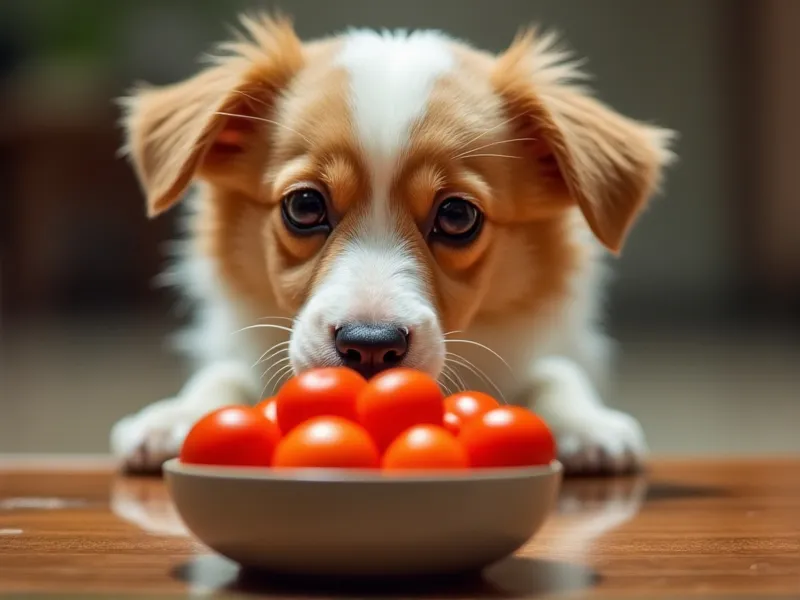
Table of Contents
- Can Dogs Eat Baby Tomatoes? The Short Answer
- Nutritional Benefits of Baby Tomatoes for Dogs
- Potential Risks to Watch Out For
- How Much Baby Tomato Can Dogs Safely Eat?
- Healthier Alternatives to Baby Tomatoes
- Frequently Asked Questions (FAQ)
- Conclusion: Snack Smart, Keep Your Pup Happy
Can Dogs Eat Baby Tomatoes? The Short Answer
Yes, dogs can eat ripe baby tomatoes in small, occasional amounts. Ripe, red baby tomatoes are non-toxic and even offer some nutritional perks. However, there are caveats: unripe (green) tomatoes and tomato plant parts (stems, leaves, vines) contain solanine, a toxic compound that can cause gastrointestinal upset or worse in large doses. Additionally, moderation is key—too many baby tomatoes can lead to stomach issues or weight gain.
Nutritional Benefits of Baby Tomatoes for Dogs
Baby tomatoes are more than just a tasty crunch—they’re packed with vitamins and minerals that can support your dog’s health when fed responsibly. Here’s what makes them a (sometimes) good choice:
1. Vitamins A & C: Boost Immunity and Vision
Baby tomatoes are rich in vitamin A, which is essential for healthy eyesight, skin, and a strong immune system. Vitamin C, an antioxidant, helps fight inflammation and supports collagen production (great for joints and coat health). According to the American Kennel Club (AKC), antioxidants like vitamin C can even help senior dogs combat age-related issues.
2. Fiber: A Happy Tummy Helper
Fiber is crucial for digestive health, and baby tomatoes deliver a small but beneficial amount. Soluble fiber (found in tomatoes) can regulate blood sugar and support gut bacteria, while insoluble fiber adds bulk to stool, preventing constipation. Just don’t overdo it—too much fiber can lead to loose stools!
3. Potassium: Heart and Muscle Support
Potassium is an electrolyte that helps regulate heart rhythm, muscle function, and fluid balance. Dogs need potassium to stay energized and maintain healthy blood pressure. Baby tomatoes offer a natural source of this mineral, though they’re not the most concentrated (more on better sources later!).
4. Lycopene: Antioxidant Powerhouse
Lycopene, the compound that gives tomatoes their red hue, is a potent antioxidant. While research on lycopene in dogs is limited, studies in humans suggest it may reduce the risk of chronic diseases by fighting free radicals. For dogs, this could translate to reduced inflammation and better long-term health—though it’s not a substitute for a balanced diet.
Potential Risks to Watch Out For
While ripe baby tomatoes are generally safe, they’re not without risks. Here’s what to keep in mind before sharing:
1. Sugar Content: Empty Calories in Disguise
Baby tomatoes are sweet, and that sweetness comes from natural sugars (fructose). A single cup of cherry tomatoes has about 5 grams of sugar— not a lot, but if your dog eats handfuls, those sugars add up. Over time, excess sugar can lead to obesity, dental issues, or even diabetes (especially in dogs with pre-existing conditions).
2. Acidity: Stomach Upset Waiting to Happen
Tomatoes are acidic, which can irritate some dogs’ stomachs. Signs of discomfort include vomiting, diarrhea, or excessive drooling. Brachycephalic breeds (like Bulldogs or Pugs) or dogs with sensitive stomachs (e.g., those with IBS) may be more prone to issues.
3. Choking Hazard: Tiny Treats, Big Risk
Baby tomatoes are small, but they’re still a choking risk—especially for toy breeds (Chihuahuas, Yorkies) or dogs who gulp food without chewing. To avoid this, slice baby tomatoes into halves or quarters before feeding, especially for small pups.
4. Solanine Toxicity: Green Tomatoes and Plant Parts
The biggest danger lies in unripe tomatoes (green, yellow, or orange) and tomato plant debris. These contain solanine, a glycoalkaloid toxin that attacks the nervous system. Symptoms of solanine poisoning include:
- Drooling
- Loss of appetite
- Weakness
- Tremors or seizures (in severe cases)
If your dog eats green tomatoes or plant parts, contact your vet immediately—especially if they show these signs.
How Much Is Safe? Guidelines by Dog Size
The golden rule: Baby tomatoes should be an occasional treat, not a meal replacement. Here’s a rough guide based on your dog’s weight:
| Dog Size | Safe Portion (Per Week) | Notes |
|---|---|---|
| Small (≤20 lbs) | 1–2 baby tomatoes (sliced) | Avoid whole tomatoes to prevent choking. |
| Medium (20–50 lbs) | 3–4 baby tomatoes (sliced or whole) | Monitor for stomach upset after first try. |
| Large (50–100 lbs) | 5–6 baby tomatoes | Treat as a snack, not daily. |
| Extra-Large (>100 lbs) | 7–8 baby tomatoes | Stick to ripe, red ones only. |
Pro Tip: Introduce baby tomatoes slowly. Start with 1–2 slices and watch for 24 hours—if your dog has diarrhea, vomiting, or gas, skip them next time.
Healthier Alternatives for Your Pup
If you’re looking for low-sugar, high-nutrient snacks, these alternatives are safer and more beneficial than baby tomatoes:
1. Carrots
Crunchy, low-calorie, and packed with beta-carotene (which converts to vitamin A). Carrots are great for dental health—chewing them scrapes plaque!
2. Blueberries
Tiny, sweet, and loaded with antioxidants (like anthocyanins) that support brain health. They’re low in sugar and safe for all sizes.
3. Cucumber
Hydrating, low-calorie, and practically sugar-free. Cucumber slices are perfect for hot days or overweight dogs.
4. Pumpkin (Plain, Canned)
Rich in fiber and beta-carotene, pumpkin can soothe upset tummies and regulate digestion. Just avoid pie filling (it has added sugar!).
5. Apples (No Seeds!)
Apples offer fiber and vitamin C, but always remove the core and seeds (seeds contain small amounts of cyanide).
Frequently Asked Questions (FAQ)
Q: Can puppies eat baby tomatoes?
A: Puppies can try small amounts of ripe baby tomatoes, but their tummies are more sensitive. Start with 1–2 slices and watch for diarrhea. Avoid if they’re teething (choking risk!).
Q: My dog ate a green baby tomato—should I panic?
A: Probably not, but monitor them. A single green tomato is unlikely to cause severe toxicity, but multiple could lead to vomiting or weakness. Call your vet if they show symptoms.
Q: Are cherry tomatoes the same as baby tomatoes?
A: Yes! “Baby tomatoes” is a general term for small varieties like cherry, grape, or pear tomatoes. All ripe, red ones are safe in moderation.
Q: Can dogs eat tomato sauce or ketchup?
A: No. These often have garlic, onions, salt, or sugar—all harmful to dogs. Garlic and onions can cause anemia, while excess salt leads to dehydration.
Q: My dog has diabetes—can they have baby tomatoes?
A: Ask your vet first. Tomatoes have natural sugar, which can spike blood sugar. Your vet may recommend lower-sugar snacks like cucumber instead.
Conclusion: Snack Smart, Keep Your Pup Happy
Baby tomatoes can be a fun, occasional treat for dogs—ripe, red, and sliced into safe pieces. They offer vitamins and fiber, but moderation is key to avoid stomach upset or sugar overload. Always skip green tomatoes and plant parts, and opt for safer alternatives like carrots or blueberries when possible.
Every dog is unique—if your pup has health issues (like diabetes or kidney disease) or you’re unsure, check with your vet before introducing new snacks. At the end of the day, the best treat is love… but a tiny, safe snack never hurt either!
Sources: American Society for the Prevention of Cruelty to Animals (ASPCA), American Kennel Club (AKC), PetMD, and Dr. Jennifer Coates (veterinary writer for PetMD).