· 9 min read
Can Dogs Eat Avocado Pits? What Pet Parents Need to Know
You’re savoring a ripe, buttery avocado—maybe mashed on toast, blended into guacamole, or sliced in a salad—and your dog is glued to your side, tail thumping, eyes locked on your plate. “Share with me?” they seem to plead. Avocados are a superfood for humans, packed with healthy fats and nutrients, but what about that hard, inedible pit? Is it safe to toss your pup a tiny piece, or is that avocado pit hiding a dangerous secret?
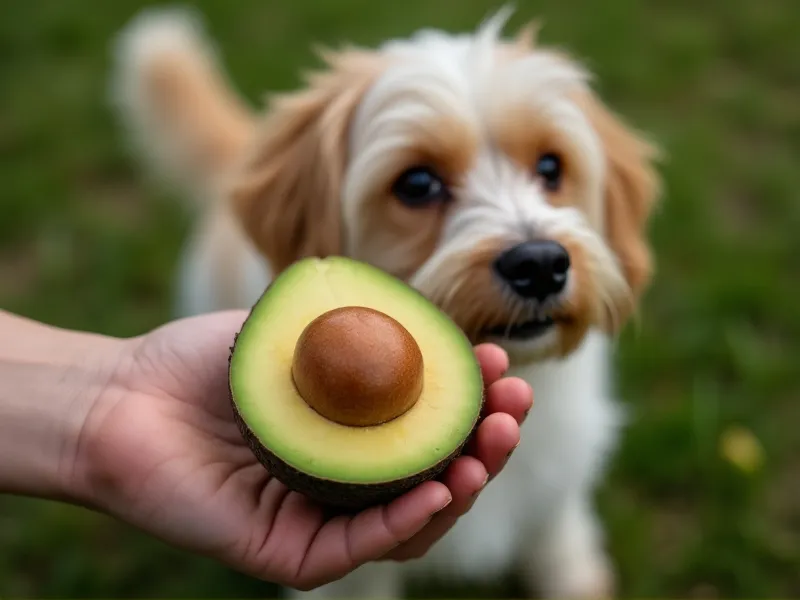
Table of Contents
- Can Dogs Eat Avocado Pits? The Short Answer
- Understanding Avocado Pits: What’s Inside?
- The Risks of Avocado Pits for Dogs: Why They’re a Concern
- Choking Hazard
- Intestinal Blockage
- Persin: Is It Toxic?
- Avocado Flesh vs. Pits: Is the Fruit Itself Safe?
- What to Do If Your Dog Eats an Avocado Pit
- Healthier Alternatives to Avocado Pits (and Even Avocado Flesh!)
- FAQ: Your Avocado Pit Questions Answered
- Conclusion: Prioritizing Your Dog’s Safety
Can Dogs Eat Avocado Pits? The Short Answer
No. Avocado pits are not safe for dogs. While the creamy flesh of the avocado is generally safe for dogs in small amounts, the pit poses serious risks, including choking, intestinal blockage, and potential injury. Even a small nibble or a partially chewed pit can lead to life-threatening complications. To keep your pup safe, never feed them avocado pits—and always dispose of pits securely, out of your dog’s reach.
Understanding Avocado Pits: What’s Inside?
Before we dive into the risks, let’s take a closer look at avocado pits. The pit (or “seed”) is the hard, woody center of the avocado, responsible for growing new avocado trees. It’s dense, fibrous, and roughly the size of a golf ball (or larger, depending on the avocado variety).
Nutritionally, avocado pits are not a “superfood” for anyone—human or dog. They contain trace amounts of nutrients like fiber and antioxidants, but these are negligible compared to the risks they pose. Unlike the flesh, which is rich in healthy fats, potassium, and vitamin E, the pit offers no meaningful benefits to dogs. In fact, its tough texture and size make it more of a hazard than a health boost.
The Risks of Avocado Pits for Dogs: Why They’re a Concern
Avocado pits are dangerous for dogs for three key reasons: choking, intestinal blockage, and (in rare cases) mild toxicity. Let’s break down each risk.
1. Choking Hazard: A Life-Threatening Emergency
Avocado pits are hard, round, and slippery—perfect for getting stuck in a dog’s throat. Small dogs (like Chihuahuas, Yorkies, or Pomeranians) are especially at risk, as their airways are narrower. Even larger dogs can choke if they try to swallow a pit whole or chew it into sharp fragments.
Signs of choking in dogs include:
- Pawing at the mouth
- Gagging or retching
- Difficulty breathing (raspy or labored breaths)
- Panic or restlessness
- Blue-tinged gums (a sign of oxygen deprivation)
If you suspect your dog is choking, act fast: Perform the Heimlich maneuver for dogs (if trained) and call your vet or emergency animal hospital immediately.
2. Intestinal Blockage: A Hidden Danger
Even if your dog swallows an avocado pit without choking, it can get stuck in their digestive tract, causing an intestinal blockage. The pit’s hard, undigestible texture means it won’t break down in the stomach or intestines. Over time, it can block the flow of food, leading to severe pain, infection, or even tissue death (necrosis) if left untreated.
Symptoms of intestinal blockage may appear within hours or days and include:
- Vomiting (especially after eating)
- Diarrhea (sometimes with blood)
- Loss of appetite
- Lethargy or weakness
- Abdominal pain (your dog may whine when you touch their belly)
- Constipation (no bowel movements for 24+ hours)
Intestinal blockage is a medical emergency. Without surgery, it can be fatal. If you think your dog swallowed an avocado pit, contact your vet immediately—even if they seem fine at first.
3. Persin: Is It Toxic to Dogs?
You may have heard that avocados contain “persin,” a natural toxin found in the fruit, leaves, and pit. Persin is harmful to birds, rabbits, guinea pigs, and horses, causing symptoms like difficulty breathing, fluid buildup around the heart, and even death. But what about dogs?
According to the ASPCA, persin toxicity in dogs is “mild and rare.” Most dogs can tolerate small amounts of persin without issue. The bigger concern is not the toxin itself, but the pit’s physical dangers (choking and blockage). That said, large doses of persin (from eating massive amounts of avocado leaves, skin, or pit) could potentially cause stomach upset in sensitive dogs. But in most cases, the pit’s size and texture are far more dangerous than its chemical content.
Avocado Flesh vs. Pits: Is the Fruit Itself Safe?
Now that we’ve established avocado pits are off-limits, what about the rest of the avocado? The creamy, green flesh is generally safe for dogs in moderation. In fact, it can even offer some health benefits!
Benefits of Avocado Flesh for Dogs (In Small Amounts)
- Healthy Fats: Avocado is rich in monounsaturated fats (like oleic acid), which support skin and coat health, reduce inflammation, and boost heart health.
- Fiber: A little fiber can aid digestion and keep your dog’s gut happy.
- Potassium: This mineral helps regulate blood pressure, muscle function, and fluid balance.
- Vitamins: Avocado contains vitamin E (antioxidant), vitamin C (immune support), and vitamin K (bone health).
Risks of Too Much Avocado Flesh
While small servings are fine, avocado is high in fat and calories. Feeding your dog too much can lead to:
- Stomach upset (diarrhea, vomiting)
- Pancreatitis (inflammation of the pancreas, triggered by high-fat foods—especially dangerous for dogs with a history of pancreatitis)
- Weight gain (if overfed regularly)
How much is “safe”? A general rule: For small dogs (under 20 lbs), 1-2 tablespoons of mashed avocado per week is enough. For medium dogs (20-50 lbs), 2-4 tablespoons. For large dogs (50+ lbs), up to ¼ of a small avocado. Always introduce new foods slowly and watch for signs of digestive upset.
What to Do If Your Dog Ate an Avocado Pit
Accidents happen! If your dog swiped an avocado pit off the counter or dug one out of the trash, here’s what to do:
Step 1: Stay Calm (But Act Fast)
Panic won’t help—focus on getting your dog help. If your dog is choking (gagging, struggling to breathe), perform the canine Heimlich maneuver (if you know how) and call your vet or emergency clinic immediately.
Step 2: Check for Symptoms (Even If They Seem Fine)
If your dog swallowed the pit without choking, monitor them closely for 24-48 hours. Watch for signs of blockage (vomiting, loss of appetite, abdominal pain) or stomach upset.
Step 3: Call Your Vet—Even If They Seem “Okay”
Don’t wait for symptoms to appear! Intestinal blockages can take time to cause visible issues, and early intervention is key. Your vet may recommend:
- X-rays or ultrasounds to locate the pit.
- Inducing vomiting (only if the pit was swallowed recently and your vet advises it).
- Surgery to remove the pit if it’s blocked in the intestines.
Pro tip: Keep the avocado pit (if you have it) to show your vet—this helps them estimate size and shape, which aids in treatment.
Healthier Alternatives to Avocado Pits (and Even Avocado Flesh!)
If you want to treat your dog to a nutrient-rich snack, skip the avocado pit (and limit avocado flesh) in favor of these safer, more dog-friendly options:
1. Bananas
- Why it’s great: Packed with potassium, fiber, and vitamin B6. Low in fat and easy to digest.
- How to serve: Slice into small pieces (remove the peel!) or mash into their food.
2. Blueberries
- Why it’s great: Loaded with antioxidants, fiber, and vitamin C. Low in calories and sugar.
- How to serve: Fresh or frozen (a cool summer treat!).
3. Pumpkin (Plain, Canned)
- Why it’s great: High in fiber (excellent for digestion!) and beta-carotene (vitamin A).
- How to serve: Mix 1-2 tablespoons into their food (avoid pumpkin pie filling, which has sugar and spices).
4. Sweet Potatoes
- Why it’s great: Rich in fiber, vitamin A, and potassium. Supports eye health and digestion.
- How to serve: Baked, mashed, or dehydrated into chewy treats (no added salt or butter!).
5. Apples (Without Seeds/Core)
- Why it’s great: Crunchy, low-calorie, and full of fiber and vitamin C.
- How to serve: Slice into wedges, remove seeds and core (seeds contain small amounts of cyanide, which is toxic in large doses).
FAQ: Your Avocado Pit Questions Answered
Q: My dog swallowed an avocado pit—should I induce vomiting at home?
A: No. Never induce vomiting without consulting a vet first. If the pit is large, forcing vomiting could cause it to get stuck in the esophagus (throat), making the problem worse. Call your vet immediately for guidance.
Q: Is avocado flesh safe for puppies?
A: Puppies can eat small amounts of avocado flesh, but it’s best to stick to their regular puppy food to avoid upsetting their sensitive tummies. Puppies are also more prone to choking, so keep pits (and all small, hard objects) far away!
Q: Can dogs eat avocado skin?
A: Avocado skin is tough, bitter, and hard to digest. It may also contain higher levels of persin than the flesh. While not as dangerous as the pit, it’s best to avoid feeding skin to dogs.
Q: What if my dog only chewed the pit but didn’t swallow it?
A: Even chewed fragments can be sharp and damage the mouth, throat, or intestines. Check for cuts or bleeding in their mouth, and monitor for symptoms like drooling or refusal to eat. Call your vet if you notice anything unusual.
Q: Are avocado pits toxic to all pets?
A: Avocado pits are dangerous for most pets! Cats, rabbits, guinea pigs, birds, and horses are all at risk (birds and small mammals are especially sensitive to persin). Always keep avocado pits away from all your furry (and feathered!) friends.
Conclusion: Prioritizing Your Dog’s Safety
Avocado pits might seem harmless, but they’re a hidden danger for dogs. From choking to intestinal blockage, the risks far outweigh any tiny nutritional benefits. When it comes to avocados, stick to sharing small amounts of the flesh (if your dog tolerates it) and always dispose of pits in a secure trash can (not the compost bin, where curious pups might dig!).
If your dog does sneak an avocado pit, stay calm and call your vet right away—prompt action can save their life. And when in doubt about new foods, always check with your vet first. After all, your dog’s health and happiness are worth every extra precaution.
Here’s to many more safe, tail-wagging snack times—minus the avocado pits! 🐾
References:
- American Society for the Prevention of Cruelty to Animals (ASPCA). “Avocado.” aspca.org/pet-care/animal-poison-control/toxic-and-non-toxic-plants/avocado
- PetMD. “Can Dogs Eat Avocado?” petmd.com/dog/nutrition/can-dogs-eat-avocado
- VCA Animal Hospitals. “Intestinal Obstruction in Dogs.” vcahospitals.com/know-your-pet/intestinal-obstruction-in-dogs