· 8 min read
Can Dogs Eat Avocado Flesh? The Complete Guide for Pet Parents
Picture this: You’re savoring a ripe, buttery avocado spread on whole-grain toast, and your dog—ever the opportunist—trots over, tail wagging, nose twitching, and fixes you with that “I’ll love you forever if you share” stare. It’s a scenario many pet parents face, but before you cave to those puppy eyes, you pause: Is avocado safe for dogs?
Avocados have skyrocketed in popularity as a “superfood” for humans, lauded for their healthy fats, fiber, and vitamins. But when it comes to our four-legged friends, the rules aren’t always the same. In this guide, we’ll break down whether avocado flesh is safe for dogs, its potential benefits and risks, how much to feed (if any), and healthier alternatives to keep your pup happy and healthy. Let’s dive in!
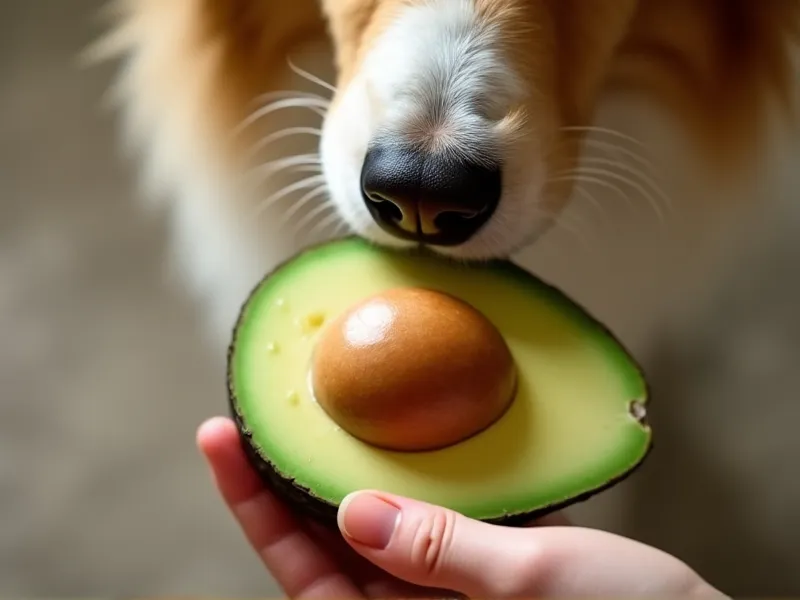
Table of Contents
- Can Dogs Eat Avocado Flesh? The Short Answer
- The Nutritional Breakdown: What Makes Avocado “Super” for Humans?
- Potential Risks of Feeding Avocado to Dogs
- How Much Avocado Is Safe for Dogs?
- Healthier Alternatives to Avocado for Dogs
- Frequently Asked Questions (FAQ)
- Conclusion: Avocado as an Occasional Treat
- References
1. Can Dogs Eat Avocado Flesh? The Short Answer
Yes, dogs can safely eat small amounts of avocado flesh. Unlike the pit, skin, or leaves (which are toxic or dangerous), the soft, green flesh of the avocado is generally non-toxic to dogs.
The key here is moderation. Avocado isn’t a “must-have” for dogs, but as an occasional treat, it’s unlikely to harm them. That said, every dog is different—some may have sensitive stomachs, so it’s always smart to start with tiny portions and watch for reactions.
2. The Nutritional Breakdown: What Makes Avocado “Super” for Humans?
Avocados are packed with nutrients that benefit humans, but do they offer the same perks for dogs? Let’s break down the key components:
Healthy Fats (Monounsaturated Fats)
Avocados are rich in oleic acid, a monounsaturated fat that supports heart health, reduces inflammation, and helps absorb fat-soluble vitamins (like vitamins A, D, E, and K). For dogs, healthy fats are essential for shiny coats, skin health, and energy—but they already get plenty from high-quality dog food. Extra fat from treats can add up, so avocado should be an occasional splurge, not a daily staple.
Fiber
A 100-gram serving of avocado contains about 6.7 grams of fiber, which aids digestion by promoting regular bowel movements and supporting gut health. For dogs prone to constipation, a tiny bit of avocado might help—but again, too much fiber can lead to loose stools.
Potassium
Avocados are loaded with potassium (more than bananas!), a mineral that supports muscle function, heart health, and fluid balance. Dogs need potassium too—their bodies use it to regulate blood pressure and nerve signals. While avocado has potassium, most commercial dog foods are already fortified with this nutrient, so your pup probably isn’t deficient.
Vitamins & Antioxidants
Avocados also contain:
- Vitamin E: An antioxidant that protects cells from damage and supports immune health.
- Vitamin C: Boosts immunity and collagen production (though dogs make their own vitamin C, so extra isn’t always necessary).
- Vitamin K: Important for blood clotting and bone health.
- B Vitamins (B5, B6): Support energy metabolism and brain function.
These nutrients are beneficial, but dogs get most of what they need from a balanced diet. Avocado is more of a “nutrient boost” than a necessity.
3. Potential Risks of Feeding Avocado to Dogs
While avocado flesh is safe, there are a few risks to watch for—especially if you overdo it:
High Fat Content: Stomach Upset or Pancreatitis
Avocados are high in fat (about 15 grams per 100-gram serving). While the fat is “healthy,” dogs have sensitive digestive systems, and too much fat can cause:
- Diarrhea
- Vomiting
- Abdominal pain
- In severe cases, pancreatitis (inflammation of the pancreas), which is painful and life-threatening. Dogs with a history of pancreatitis should avoid avocado entirely.
Sugar: Empty Calories
Avocados are low in sugar (only about 0.7 grams per 100 grams), but treats—even low-sugar ones—add extra calories. Over time, excess calories can lead to obesity, which increases the risk of diabetes, joint pain, and heart disease.
Choking Hazard (The Pit!)
This isn’t a risk from the flesh itself, but it’s critical to mention. Avocado pits are large, hard, and slippery—dogs can easily choke on them or swallow them whole. If a pit gets stuck in the intestines, it can cause a life-threatening blockage requiring surgery. Always remove the pit before considering sharing avocado with your dog.
Persin: A Myth for Dogs
You may have heard that avocados contain “persin,” a toxin that’s harmful to some animals (like birds, rabbits, and horses). While persin is present in avocado pits, skin, and leaves, the flesh contains only trace amounts—and dogs are not sensitive to it. According to the ASPCA, avocados are not toxic to dogs or cats [1]. So you don’t need to worry about persin poisoning from the flesh!
4. How Much Avocado Is Safe for Dogs?
The golden rule: Less is more. Avocado should make up no more than 10% of your dog’s daily calories (the rest should come from their regular food). Here’s a rough guide based on size:
- Small dogs (under 20 lbs): 1–2 teaspoons of mashed avocado, once or twice a week.
- Medium dogs (20–50 lbs): 1–2 tablespoons, once a week.
- Large dogs (50+ lbs): 2–3 tablespoons, once a week.
Pro tip: Start with half the recommended amount and monitor your dog for 24 hours. If they develop diarrhea, vomiting, or loss of appetite, skip the avocado next time.
Never feed avocado as a meal replacement. It lacks key nutrients dogs need, like protein (avocado has only 2 grams per 100 grams) and calcium.
5. Healthier Alternatives to Avocado for Dogs
If you’re looking for nutrient-packed treats that are lower in fat or calories than avocado, try these alternatives:
Blueberries
- Why: Loaded with antioxidants (like resveratrol), fiber, and vitamins C and K. Low in calories and sugar, making them perfect for small or overweight dogs.
- How much: A handful for large dogs, a few for small dogs, daily.
Apples (without seeds/core)
- Why: High in fiber and vitamin C. The crunch also helps clean teeth!
- How much: 1–2 slices (peeled or unpeeled) for medium dogs, once a day.
Pumpkin (unsweetened, canned)
- Why: Rich in fiber and beta-carotene (which converts to vitamin A). Great for dogs with diarrhea or constipation.
- How much: 1–2 tablespoons for medium dogs, mixed into food.
Bananas
- Why: Good source of potassium, vitamin B6, and fiber. Sweeter than avocado, so use sparingly.
- How much: ¼ banana for small dogs, ½ for large dogs, once a week.
Carrots
- Why: Low-calorie, high in fiber and vitamin A (supports eye health). Crunchy and satisfying for chewers.
- How much: 1–2 baby carrots for small dogs, a whole carrot (chopped) for large dogs, daily.
6. Frequently Asked Questions (FAQ)
Can puppies eat avocado?
Puppies have sensitive digestive systems, so it’s best to wait until they’re at least 6 months old (and on a regular diet) before offering avocado. Stick to ½ the adult portion size to avoid stomach upset.
What if my dog ate the avocado pit?
Act fast! Contact your vet or an emergency animal clinic immediately. Pits can cause choking or intestinal blockages, which require urgent care. Signs of blockage include vomiting, lethargy, loss of appetite, or inability to defecate.
Is avocado oil safe for dogs?
Yes, in small amounts! Avocado oil is just the pressed oil from the flesh, so it’s free of persin and pits. It can be drizzled over food (1–2 teaspoons for medium dogs) to add healthy fats, but again, moderation is key.
Can dogs with allergies eat avocado?
Avocado is not a common allergen, but some dogs may react to it. If your dog has food allergies, talk to your vet before trying avocado.
Is guacamole safe for dogs?
No! Guacamole often contains onions, garlic, salt, or spices—all of which are toxic to dogs. Onions and garlic damage red blood cells, leading to anemia, while salt can cause sodium ion poisoning. Stick to plain, mashed avocado only.
7. Conclusion: Avocado as an Occasional Treat
Avocado flesh is safe for dogs in small, occasional amounts, thanks to its healthy fats, fiber, and vitamins. But it’s not a “superfood” for pups—most dogs get all the nutrients they need from a balanced diet.
When in doubt, consult your vet. They can help you decide if avocado is right for your dog, especially if they have health issues like pancreatitis, obesity, or digestive sensitivities.
At the end of the day, the best treat for your dog is your love (and maybe a belly rub). But if you do share that avocado toast, a tiny bite won’t hurt—just make sure the pit is nowhere near their reach!
8. References
[1] American Society for the Prevention of Cruelty to Animals (ASPCA). “Avocado.” https://www.aspca.org/pet-care/animal-poison-control/toxic-and-non-toxic-plants/avocado
[2] American Kennel Club (AKC). “Can Dogs Eat Avocado?” https://www.akc.org/expert-advice/nutrition/can-dogs-eat-avocado/
[3] VCA Hospitals. “Foods Your Dog Should Not Eat.” https://vcahospitals.com/know-your-pet/foods-your-dog-should-not-eat
[4] PetMD. “Can Dogs Eat Avocado?” https://www.petmd.com/dog/nutrition/can-dogs-eat-avocado