· 8 min read
Can Dogs Eat Avocado? A Pet Parent’s Guide to Risks, Benefits, and Safe Feeding
It’s a familiar scene: You’re savoring a creamy avocado toast for breakfast, or mashing up guacamole for Taco Tuesday, when your dog trots over, tail thumping, eyes locked on your plate. That irresistible “please share” stare is hard to resist—but before you toss them a bite, you pause. Can dogs eat avocado?
Avocados have skyrocketed in popularity as a “superfood” for humans, praised for their healthy fats, fiber, and nutrients. But when it comes to our furry friends, the answer isn’t as straightforward. With rumors of toxins, choking hazards, and conflicting advice online, it’s no wonder pet parents are confused.
In this guide, we’ll cut through the noise to answer the big question: Is avocado safe for dogs? We’ll break down the potential benefits, real risks, and how to (if at all) share this trendy fruit with your pup. Let’s dive in!
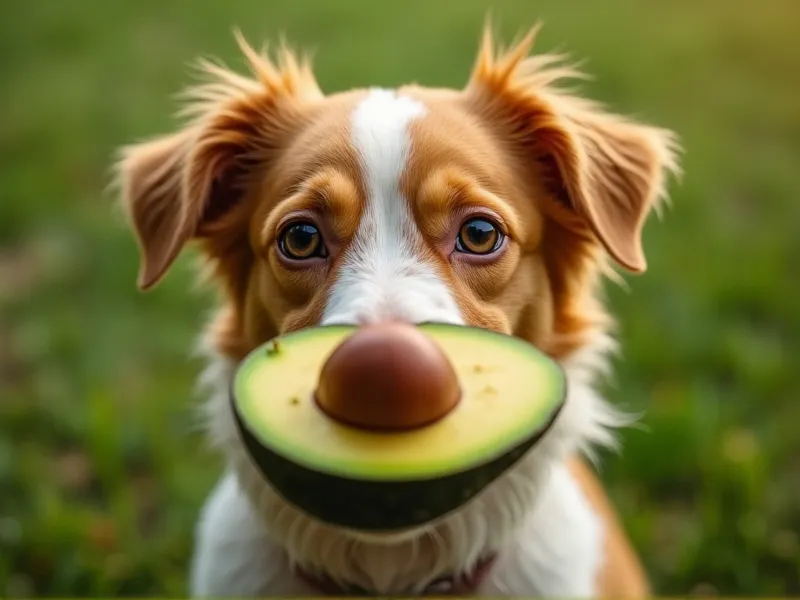
Table of Contents
- Can Dogs Eat Avocado? The Short Answer
- The Nutritional Breakdown: What’s in an Avocado?
- Potential Benefits of Avocado for Dogs
- The Risks: Why Avocado Might Not Be Ideal
- How Much Avocado Can Dogs Safely Eat? Guidelines
- Healthier Alternatives to Avocado
- FAQ: Common Questions About Dogs and Avocado
- Conclusion: Moderation and Vet Consultation
- References
Can Dogs Eat Avocado? The Short Answer
Yes, but with strict caveats. Small amounts of ripe avocado flesh are generally safe for most dogs, but the fruit comes with risks that make it far from an ideal treat.
Here’s the breakdown: Avocados contain a compound called persin, which is toxic to some animals (like birds, horses, and rabbits). However, dogs are much more resistant to persin—most won’t experience toxicity unless they eat massive quantities. The bigger dangers lie in the pit, skin, and high fat/sugar content of the fruit itself.
In short: A tiny spoonful of mashed avocado flesh might be okay for a healthy dog, but the risks often outweigh the benefits. Let’s unpack why.
The Nutritional Breakdown: What’s in an Avocado?
To understand if avocado is “good” for dogs, let’s start with its nutrients. A 100-gram serving of raw avocado flesh (about ½ of a small avocado) contains:
| Nutrient | Amount | Benefit for Dogs (Potential) |
|---|---|---|
| Calories | 160 | High—can contribute to weight gain. |
| Fat | 14.7g | Mostly monounsaturated (“healthy” fats). |
| Fiber | 6.7g | Aids digestion and gut health. |
| Sugar | 0.7g | Added sugar dogs don’t need. |
| Potassium | 485mg | Supports heart function and muscle health. |
| Vitamin C | 10mg | Boosts immune system. |
| Vitamin E | 2.07mg | Protects cells from damage; supports skin/coat. |
| Vitamin K | 21μg | Aids blood clotting and bone health. |
| B Vitamins (B5, B6) | 1.05mg, 0.25mg | Supports energy metabolism and brain function. |
At first glance, this looks impressive—fiber, potassium, and vitamins are all essential for dogs. But here’s the catch: Dogs get these nutrients from their balanced, species-appropriate dog food. Avocado isn’t a “necessary” addition, and its downsides (fat, sugar, choking hazards) can overshadow its perks.
Potential Benefits of Avocado for Dogs
While avocado isn’t a must-have for dogs, some pet parents swear by small amounts for specific benefits. Let’s explore these potential upsides (keeping in mind they’re not proven or necessary for all dogs):
1. Fiber for Digestion
Avocado’s fiber (6.7g per 100g) can help regulate digestion. For dogs with occasional constipation, a tiny amount of mashed avocado might act as a gentle stool softener. However, most high-quality dog foods already contain fiber (from sources like sweet potato or oats), so this is rarely needed.
2. Potassium for Heart and Muscles
Potassium is critical for heart rhythm, muscle contraction, and nerve function. Avocados have more potassium than bananas (485mg vs. 358mg per 100g), which sounds great—but dogs typically get plenty of potassium from their regular diet (think chicken, salmon, or sweet potatoes). Unless your vet has diagnosed a potassium deficiency, avocado isn’t necessary.
3. Antioxidants and Skin/Coat Health
Vitamins E and C in avocado are antioxidants that fight inflammation and support skin health. Vitamin E, in particular, is often added to dog foods for its role in reducing dry, itchy skin. However, again, your dog’s food likely already contains these vitamins in balanced amounts.
The Risks: Why Avocado Might Not Be Ideal
The benefits are mild, but the risks are real. Here’s why avocado is often more trouble than it’s worth for dogs:
1. Persin: A Mild Toxin (But Not for Dogs… Usually)
Persin is a natural fungicide found in avocado leaves, bark, skin, and pit—and in small amounts in the flesh. It’s highly toxic to birds, horses, goats, and rabbits, causing symptoms like difficulty breathing, weakness, and even death.
Good news: Dogs are much less sensitive to persin. Most vets agree that dogs would need to eat massive amounts of avocado (think multiple whole fruits) to experience persin toxicity, which is rare.
Bad news: Some dogs are more sensitive. Puppies, senior dogs, or those with liver/kidney disease may react poorly to even small amounts, with symptoms like vomiting or diarrhea.
2. High Fat Content: A Pancreatitis Risk
Avocados are 15% fat by weight—mostly healthy fats for humans, but dogs have different metabolisms. High-fat foods can trigger pancreatitis, a painful (and potentially life-threatening) inflammation of the pancreas.
Dogs prone to pancreatitis (like small breeds, overweight dogs, or those with a history of the condition) are especially at risk. Even healthy dogs can develop pancreatitis if they eat too much fat—symptoms include vomiting, diarrhea, lethargy, and loss of appetite.
3. Sugar and Calories: A Recipe for Obesity
While 0.7g of sugar per 100g seems low, it adds up. Combined with 160 calories per serving, avocado can contribute to weight gain if fed regularly. Obesity in dogs leads to diabetes, joint pain, and heart disease—so empty calories are best avoided.
4. Choking Hazards: Pit and Skin
The biggest immediate danger of avocado for dogs is the pit and skin.
- Pit: Hard, large, and slippery, the pit is a severe choking hazard. If swallowed, it can block the esophagus or intestines, requiring emergency surgery. Even if your dog chews it (unlikely—avocado pits are rock-hard), sharp fragments can tear their digestive tract.
- Skin: Thick and fibrous, the skin is hard to digest and can also cause blockages or upset stomachs.
Never leave an avocado pit or skin within your dog’s reach. Even a curious pup can quickly snatch them up!
How Much Avocado Can Dogs Safely Eat? Guidelines
If you still want to share a tiny bite with your dog (e.g., a smidge of guacamole without onions/salt), follow these rules:
1. Only the Flesh
Serve only the ripe, mashed avocado flesh—no skin, no pit. Peel the avocado carefully and remove the pit before even thinking about sharing.
2. Tiny Portions
Avocado should be a rare treat, not a regular snack. A general guideline:
- Small dogs (5–15 lbs): 1–2 teaspoons of mashed flesh, once a month at most.
- Medium dogs (15–50 lbs): 1–2 tablespoons, once every 2–3 weeks.
- Large dogs (50+ lbs): Up to ¼ cup, once a month (but even this is risky for high-fat sensitivity).
3. Watch for Reactions
After feeding avocado, monitor your dog for 24 hours. Signs of trouble include:
- Vomiting or diarrhea (from fat or fiber overload).
- Lethargy or loss of appetite (possible pancreatitis).
- Gagging or difficulty breathing (choking hazard—call vet immediately).
4. Skip If Your Dog Has Health Issues
Avoid avocado entirely if your dog:
- Is overweight or obese.
- Has pancreatitis (or a history of it).
- Has diabetes (sugar content spikes blood sugar).
- Has food allergies or sensitive digestion.
Healthier Alternatives to Avocado
Avocado’s “benefits” (fiber, potassium, vitamins) can be found in safer, lower-risk foods. Here are better treats for your dog:
| Nutrient You Want | Healthy Alternative | Why It’s Better |
|---|---|---|
| Fiber | Cooked pumpkin (plain, no sugar) | Gentle on digestion; low calorie; helps with diarrhea and constipation. |
| Potassium | Sweet potato (cooked, mashed) | Rich in potassium, beta-carotene, and fiber—no fat. |
| Healthy Fats | Salmon (cooked, no bones) | Omega-3s for skin/coat; lower in fat than avocado. |
| Vitamins E/C | Blueberries or carrots | Antioxidants, low calorie, and crunchy for teeth! |
| Hydration/Fiber | Cucumber (sliced) | 96% water, zero fat, and dogs love the crunch. |
FAQ: Common Questions About Dogs and Avocado
Q: Is avocado oil safe for dogs?
A: Small amounts of plain avocado oil (e.g., drizzled on food) are generally safe, as the oil is persin-free and contains healthy fats. However, it’s high in calories—ask your vet before adding it to their diet.
Q: My dog ate a whole avocado (pit and all)! What do I do?
A: If they ate the pit: Call your vet or emergency clinic immediately. Intestinal blockages are life-threatening and require urgent care.
If they ate only the flesh: Monitor for vomiting, diarrhea, or lethargy. If symptoms appear within 12 hours, contact your vet—they may induce vomiting or treat for pancreatitis.
Q: Can puppies eat avocado?
A: No. Puppies have sensitive digestive systems and are more prone to pancreatitis. Stick to puppy-safe treats like plain yogurt (no xylitol) or small pieces of chicken.
Q: Is guacamole safe for dogs?
A: No! Guacamole often contains onions, garlic, salt, or lime—all toxic or harmful to dogs. Onions and garlic damage red blood cells, while salt causes dehydration.
Q: Are some avocado varieties safer than others?
A: No. All avocados (Hass, Fuerte, etc.) contain persin and high fat. The risk level is the same across varieties.
Conclusion: Moderation and Vet Consultation
Avocado isn’t inherently toxic to dogs, but it’s far from a “superfood” for them. The risks—choking hazards, high fat, and unnecessary calories—usually outweigh the minor benefits. Most dogs get all the nutrients they need from a balanced diet, so avocado is best left off their menu.
If you do decide to share a tiny bite, stick to ripe flesh, skip the pit/skin, and keep portions minuscule. And always check with your vet first—they know your dog’s health history and can advise if avocado is safe for your pup.
At the end of the day, the best treat for your dog is your love (and maybe a carrot stick). Save the avocado toast for yourself—your furry friend will thank you for keeping them safe!
References
- American Society for the Prevention of Cruelty to Animals (ASPCA). “Avocado.” aspca.org/pet-care/animal-poison-control/toxic-and-non-toxic-plants/avocado.
- VCA Hospitals. “Persin Toxicity in Pets.” vcahospitals.com/know-your-pet/persin-toxicity.
- PetMD. “Can Dogs Eat Avocado?” petmd.com/dog/nutrition/can-dogs-eat-avocado.
- American Kennel Club (AKC). “Avocado and Dogs: Are They Safe?” akc.org/expert-advice/nutrition/can-dogs-eat-avocado/.