· 9 min read
Can Dogs Eat Aspirin? A Pet Parent’s Guide to Safety, Risks, and Alternatives
It’s 2 a.m., and your normally energetic pup is pacing, whimpering, and favoring her right paw. You suspect she might have twisted something during your morning walk. Panicked, you rummage through your medicine cabinet and spot a bottle of aspirin—your go-to for headaches. “Can I give this to her?” you wonder. “It works for me, so maybe it’ll help her feel better?”
As pet parents, seeing our dogs in pain is heartbreaking. We want to ease their discomfort fast, and reaching for a familiar over-the-counter (OTC) medication like aspirin can feel like a quick fix. But here’s the thing: dogs aren’t small humans, and what’s safe for us can be dangerous—even deadly—for them.
In this guide, we’ll answer the critical question: Can dogs eat aspirin? We’ll break down the risks, clarify when (if ever) it might be used, and share safer alternatives to help your pup feel their best. Let’s dive in.
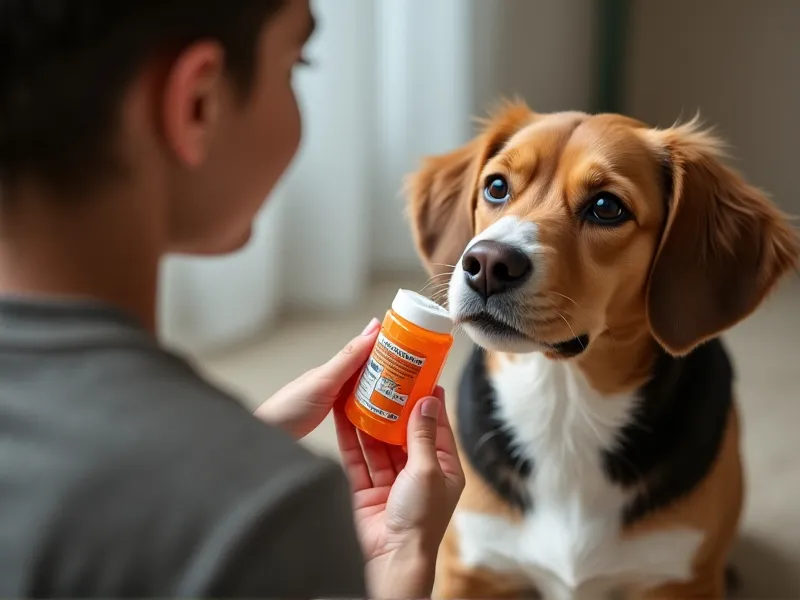
Table of Contents
- Can Dogs Eat Aspirin? The Short Answer
- Potential Medicinal Uses of Aspirin for Dogs
- The Risks of Aspirin for Dogs: Why It’s Not a “Safe” Fix
- How Much Aspirin Is Safe for Dogs? (If Any)
- Safer Alternatives to Aspirin for Dogs
- FAQ: Your Aspirin Questions Answered
- Conclusion: When in Doubt, Call Your Vet
Can Dogs Eat Aspirin? The Short Answer
No, dogs should not eat aspirin unless explicitly prescribed by a veterinarian.
Aspirin is a non-steroidal anti-inflammatory drug (NSAID), a class of medications that reduces pain, inflammation, and fever in humans. While it can be used in dogs in very specific cases (e.g., short-term pain relief for minor injuries), it is not safe for at-home use without veterinary guidance.
Unlike humans, dogs metabolize drugs differently, and even small doses of aspirin can lead to severe side effects—including stomach ulcers, kidney damage, or internal bleeding. Think of it this way: Aspirin is a medication, not a treat. Using it without a vet’s okay is like playing Russian roulette with your dog’s health.
Potential Medicinal Uses of Aspirin for Dogs
Before we dive into the risks, let’s clarify: Aspirin is not a “beneficial” food or supplement for dogs. It has no nutritional value (no fiber, vitamins, or potassium—unlike, say, bananas or sweet potatoes). Its only potential “benefit” is medicinal, and even then, it’s rarely the first choice for vets.
In very specific scenarios, a vet might recommend aspirin for short-term use (usually 1–2 days) to manage:
- Mild pain from minor injuries (e.g., a sprained paw)
- Inflammation from arthritis (though safer alternatives exist)
- Fever (rarely, and only if other causes are ruled out)
Aspirin works by blocking enzymes called cyclooxygenases (COX-1 and COX-2), which trigger pain and inflammation. However, COX-1 also protects the stomach lining and supports kidney function—so blocking it can harm these organs in dogs, who are more sensitive to NSAIDs than humans.
The Risks of Aspirin for Dogs: Why It’s Not a “Safe” Fix
The risks of aspirin for dogs far outweigh any potential benefits—especially when used without veterinary oversight. Here’s what you need to watch for:
1. Gastrointestinal (GI) Damage: Ulcers and Bleeding
Dogs have delicate stomach linings, and aspirin irritates the GI tract by reducing protective mucus. This can lead to:
- Nausea or vomiting (may contain blood, appearing bright red or “coffee grounds”)
- Diarrhea (often black, tarry, or bloody, a sign of internal bleeding)
- Stomach ulcers (painful sores that can perforate, causing life-threatening infections)
Even a single high dose or a few days of low doses can trigger these issues, especially in small dogs, seniors, or dogs with preexisting GI conditions.
2. Kidney and Liver Toxicity
NSAIDs like aspirin reduce blood flow to the kidneys, which filter waste from the body. Over time (or with high doses), this can cause acute kidney injury or chronic kidney disease. Dogs with kidney issues are at even higher risk.
Liver damage is less common but still possible, especially if your dog takes aspirin alongside other medications (e.g., steroids, antibiotics) or has liver disease.
3. Drug Interactions
Aspirin can interact dangerously with other drugs your dog may be taking, including:
- Steroids (e.g., prednisone, which increases GI bleeding risk)
- Blood thinners (e.g., warfarin, leading to excessive bleeding)
- Other NSAIDs (e.g., ibuprofen, naproxen—never give these to dogs!)
- Certain antibiotics or diuretics
4. Overdose Risk
Aspirin overdose is shockingly easy to cause. For example:
- A 10-pound Chihuahua given a single adult aspirin (325mg) could experience severe toxicity.
- Even “low-dose” baby aspirin (81mg) can be too much for tiny dogs if given too frequently.
Signs of overdose include lethargy, loss of appetite, rapid breathing, seizures, or coma. If you suspect overdose, call your vet or the ASPCA Animal Poison Control Center immediately (1-888-426-4435; note: fees apply).
5. Enteric-Coated Aspirin: A Hidden Danger
You might think “enteric-coated” aspirin (designed to dissolve in the intestines, not the stomach) is gentler for your dog. It’s not. Dogs have shorter digestive tracts and may not break down the coating, leading to delayed absorption—and sudden, concentrated doses of aspirin in the intestines, increasing ulcer risk.
How Much Aspirin Is Safe for Dogs? (If Any)
If your vet does recommend aspirin (a rare scenario), they’ll calculate a precise dose based on your dog’s weight, age, health, and other medications. Never guess the dose yourself.
As a general guideline (and only under vet approval), the typical dose is:
- 5–10 mg per pound of body weight, every 12 hours.
For example:
- A 20-pound dog: 100–200 mg (1–2 baby aspirins, 81mg each) every 12 hours.
- A 50-pound dog: 250–500 mg (about 3–6 baby aspirins or ¾–1.5 adult aspirins) every 12 hours.
But again: This is not a substitute for veterinary advice. Your vet may adjust the dose downward if your dog is elderly, pregnant, or has health issues.
Tips for Giving Aspirin (If Vet-Approved):
- Always with food: This reduces stomach irritation.
- Use plain aspirin: Avoid “extra strength,” “rapid release,” or “with caffeine” varieties—caffeine is toxic to dogs.
- Stick to short-term use: Vets rarely recommend aspirin for more than 2–3 days.
- Monitor for side effects: Watch for vomiting, diarrhea, lethargy, or loss of appetite. Stop use and call your vet immediately if these occur.
Safer Alternatives to Aspirin for Dogs
The good news? There are far safer ways to manage your dog’s pain or inflammation than aspirin. Here are vet-recommended options:
1. Veterinary-Approved NSAIDs
Vets prefer NSAIDs designed specifically for dogs, as they’re formulated to minimize GI and kidney risks. Common options include:
- Carprofen (Rimadyl): Used for arthritis, post-surgery pain, or injuries.
- Meloxicam (Metacam): Gentle on the stomach, often prescribed for chronic conditions like osteoarthritis.
- Deracoxib (Deramaxx): Fast-acting for acute pain (e.g., after dental surgery).
These drugs require a prescription, but they’re far safer than human NSAIDs.
2. Non-NSAID Pain Relievers
For dogs who can’t take NSAIDs (e.g., due to kidney issues), vets may prescribe:
- Tramadol: A mild opioid for moderate pain (e.g., cancer, post-surgery).
- Gabapentin: Used for nerve pain (e.g., from spinal issues).
3. Supplements for Joint Health
For chronic conditions like arthritis, supplements can reduce inflammation and slow joint damage:
- Glucosamine and chondroitin: Support cartilage repair.
- Omega-3 fatty acids (fish oil): Reduce inflammation and improve mobility.
- Turmeric (with black pepper): A natural anti-inflammatory (use vet-approved doses).
4. Lifestyle Adjustments
Sometimes, the best “medicine” is simple:
- Weight management: Extra pounds strain joints—even a 5-pound weight loss can reduce arthritis pain.
- Low-impact exercise: Swimming or short walks keep joints mobile without stress.
- Warm compresses: Ease stiffness in arthritic joints (10–15 minutes, twice a day).
- Orthopedic beds: Soft, supportive beds reduce pressure on sore joints.
5. Complementary Therapies
Many vets recommend these alongside traditional treatments:
- Physical therapy: Exercises to improve strength and flexibility.
- Acupuncture: Can reduce pain and inflammation in some dogs.
- Laser therapy: Stimulates healing and relieves pain in muscles/joints.
FAQ: Your Aspirin Questions Answered
Q: My dog is limping—can I give them aspirin to “hold them over” until the vet?
A: No. Even “mild” limping could signal a serious issue (e.g., a broken bone, torn ligament, or infection). Giving aspirin might mask symptoms, delaying proper treatment. Call your vet immediately—they can guide you on safe first aid.
Q: Is baby aspirin safer than adult aspirin for dogs?
A: Baby aspirin (81mg) is less likely to cause overdose than adult aspirin (325mg), but it’s still not “safe” without a vet’s okay. Small dogs (under 10 pounds) can still be harmed by baby aspirin if dosed incorrectly.
Q: How long does aspirin take to work in dogs?
A: Aspirin starts working in 1–2 hours, but its effects last 12 hours. However, if your dog needs pain relief for more than 2–3 days, aspirin is not the solution—see your vet for a safer long-term plan.
Q: What if my dog ate aspirin by accident?
A: Stay calm and act fast. Call your vet or the ASPCA Poison Control Center (1-888-426-4435) immediately. Provide your dog’s weight, the type of aspirin (baby vs. adult), and how much they ate. Do NOT induce vomiting unless told to do so.
Q: Can I give my dog aspirin for a fever?
A: Fevers in dogs are usually a sign of infection (e.g., a virus, bacterial illness). Aspirin will lower the fever but won’t treat the cause. Always see a vet first—fevers over 103°F (39.4°C) require immediate care.
Conclusion: When in Doubt, Call Your Vet
At the end of the day, aspirin is a powerful medication—not a casual remedy. While it can be used in dogs under strict veterinary supervision, the risks of GI damage, kidney failure, or overdose are too high for at-home use.
If your dog is in pain, don’t guess—call your vet. They’ll diagnose the root cause and prescribe a safe, effective treatment plan tailored to your pup’s needs. Whether it’s a prescription NSAID, supplements, or lifestyle changes, there are far better ways to help your dog feel like themselves again.
Your dog relies on you to keep them safe. When it comes to their health, erring on the side of caution (and a vet’s advice) is always the best choice.
References
- American Veterinary Medical Association (AVMA). (2023). Nonsteroidal Anti-Inflammatory Drugs (NSAIDs) for Dogs. avma.org/resources/pet-owners/petcare/nsaids-dogs
- American Kennel Club (AKC). (2022). Aspirin for Dogs: Is It Safe? akc.org/expert-advice/health/aspirin-for-dogs/
- PetMD. (2023). Aspirin Poisoning in Dogs. petmd.com/dog/conditions/toxicity/poisoning-aspirin
- ASPCA Animal Poison Control Center. (2023). NSAID Toxicity in Dogs. aspca.org/pet-care/animal-poison-control/dog-poisoning/nsaid-toxicity-dogs
- Veterinary Information Network (VIN). (2021). Aspirin Use in Small Animals. vin.com (Accessed via professional veterinary database)