· 9 min read
Can Dogs Eat Asiago Cheese? A Pet Parent’s Guide to Risks, Benefits, and Safer Snacks
Picture this: You’re savoring a warm, crusty baguette topped with a sprinkle of sharp asiago cheese, the kind that melts just enough to coat the bread in a salty, nutty layer. At your feet, your dog sits, tail wagging furiously, nose twitching as they catch a whiff of your snack. “Just a tiny piece won’t hurt, right?” you think. But before you toss them a crumb, it’s worth asking: Can dogs eat asiago cheese?
As pet parents, we want to share the joys of life with our furry friends—including the occasional treat. But when it comes to human foods, not everything that’s safe for us is safe for them. Asiago cheese, with its bold flavor and creamy (or sharp, depending on age) texture, is a popular choice for humans. But is it a good fit for your pup?
In this guide, we’ll break down the facts: whether asiago is toxic, its potential benefits (if any), the risks to watch for, how much (if at all) is safe, and healthier alternatives to keep your dog happy and healthy. Let’s dive in!
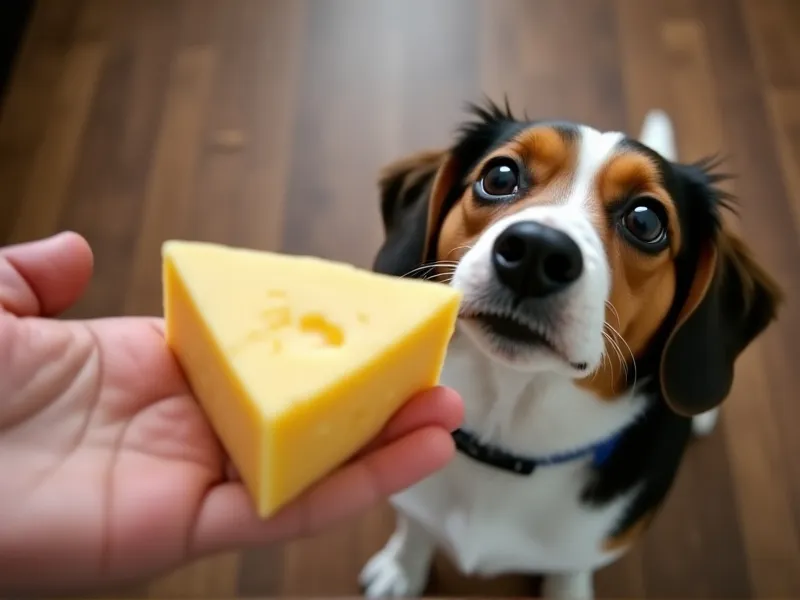
Table of Contents
- Can Dogs Eat Asiago Cheese? The Short Answer
- What Is Asiago Cheese, Anyway?
- Potential Benefits of Asiago Cheese for Dogs (Yes, There Are a Few!)
- The Risks: Why Asiago Cheese Isn’t Ideal for Dogs
- How Much Asiago Cheese Is Safe for Dogs? Guidelines for Pet Parents
- Healthier Alternatives to Asiago Cheese
- FAQ: Your Asiago Cheese Questions Answered
- Conclusion: Enjoy Treats Responsibly
- References
Can Dogs Eat Asiago Cheese? The Short Answer
No, asiago cheese isn’t toxic to dogs—but it’s not a great choice for regular treats, either.
Small amounts of asiago (think: a tiny crumble, not a slice) are unlikely to harm most healthy dogs. However, its high fat and sodium content, combined with potential lactose issues, make it a risky snack compared to safer alternatives. In short: Proceed with extreme caution, and better yet, opt for a healthier treat.
What Is Asiago Cheese, Anyway?
Before we dive into the details, let’s get to know asiago. Originating from the Asiago Plateau in Italy, this cheese is made from cow’s milk and comes in two main varieties:
- Fresh (Asiago Pressato): Younger, milder, and softer—similar to a creamy mozzarella.
- Aged (Asiago d’Allevo): Aged for 6+ months, becoming harder, sharper, and more granular (think Parmesan, but with a nuttier kick).
Both types are high in fat and sodium, which are key factors in determining whether they’re safe for dogs. Let’s break down the pros and cons.
Potential Benefits of Asiago Cheese for Dogs (Yes, There Are a Few!)
While asiago isn’t a “superfood” for dogs, it does contain some nutrients that could offer minor benefits—in very small quantities. Here’s what to know:
1. Protein for Muscle Health
Like most cheeses, asiago is a good source of protein. Protein is essential for dogs, supporting muscle repair, immune function, and healthy skin/coat. A 1-ounce serving of asiago has about 7-8 grams of protein—though your dog would need to eat far more than a safe portion to get meaningful protein from it.
2. Calcium for Bones and Teeth
Dairy products are rich in calcium, and asiago is no exception. Calcium is critical for strong bones, teeth, and nerve function in dogs. However, most dogs get all the calcium they need from a balanced commercial dog food, so asiago isn’t necessary for this nutrient.
3. Vitamins and Minerals
Asiago also contains small amounts of vitamin A (supports vision and immune health), vitamin B12 (aids energy production), and phosphorus (works with calcium for bone health). Again, these are present in tiny doses—nothing your dog can’t get from their regular diet.
The catch: These benefits are overshadowed by asiago’s downsides, which we’ll explore next.
The Risks: Why Asiago Cheese Isn’t Ideal for Dogs
While asiago isn’t toxic, its nutritional profile makes it a risky choice for dogs. Here are the biggest concerns:
1. High Fat Content: A Pancreatitis Risk
Asiago is a high-fat cheese. Fresh asiago has about 7-8 grams of fat per ounce, while aged asiago can have up to 9 grams. For dogs, diets high in fat can trigger pancreatitis—a painful, potentially life-threatening condition where the pancreas becomes inflamed.
Pancreatitis symptoms include vomiting, diarrhea, lethargy, and loss of appetite. Even small amounts of high-fat foods (like a chunk of asiago) can be dangerous for dogs prone to the condition, such as overweight pups or those with a history of pancreatitis.
2. Sodium Overload: Bad for Kidneys and Blood Pressure
Dogs need sodium, but only in small amounts. A 1-ounce serving of asiago contains a whopping 450-500 mg of sodium (aged asiago is saltier than fresh). For context, a 30-pound dog should consume no more than 100 mg of sodium per day from treats (their main diet already has sodium). A single bite of asiago could exceed that!
Too much sodium can lead to:
- Dehydration (excessive thirst/urination)
- Electrolyte imbalances
- High blood pressure
- Kidney strain (over time, this can lead to kidney disease).
3. Lactose Intolerance: Upset Tummies Ahead
Most adult dogs are lactose intolerant. They lack sufficient lactase, the enzyme needed to digest lactose (the sugar in milk). While cheese has less lactose than milk, aged cheeses like asiago still contain some.
Feeding asiago to a lactose-intolerant dog can cause:
- Gas
- Bloating
- Diarrhea
- Stomach cramps
Puppies have more lactase than adult dogs, but even they can struggle with dairy in large amounts.
4. Choking Hazard (Aged Asiago)
Aged asiago is hard and crumbly, similar to Parmesan. If you give your dog a large chunk, they might try to swallow it whole, risking choking—especially small breeds or dogs who gulp their food.
Bottom line: The risks of asiago (fat, sodium, lactose, choking) far outweigh its minor nutritional benefits. It’s best to limit or avoid it altogether.
How Much Asiago Cheese Is Safe for Dogs? Guidelines for Pet Parents
If you must share a tiny piece of asiago with your dog (e.g., they beg relentlessly during your snack time), follow these strict guidelines to minimize risk:
Portion Size: Tiny, Occasional, and Breed-Specific
- Toy breeds (5-10 lbs): 1-2 small crumbles (about the size of a pinky nail).
- Small breeds (10-25 lbs): 1 tiny piece (no larger than a pea).
- Medium breeds (25-50 lbs): 1-2 pea-sized pieces.
- Large breeds (50+ lbs): Up to 1 dime-sized piece (but even this is pushing it).
Key rule: Asiago should never make up more than 1-2% of your dog’s daily calories. For reference, a 30-pound dog needs about 600 calories per day—so 6-12 calories from treats. A pea-sized piece of asiago is roughly 5-10 calories, so that’s your limit.
Frequency: Once in a Blue Moon
Asiago should be an occasional treat—not a weekly or daily snack. Even small portions add up over time, increasing the risk of weight gain, pancreatitis, or kidney issues.
Dogs to Avoid Asiago Altogether
Certain dogs should never have asiago, even in tiny amounts:
- Overweight or obese dogs (high fat = extra calories).
- Dogs with pancreatitis (past or present).
- Dogs with kidney disease (sodium is harmful).
- Lactose-intolerant dogs (watch for diarrhea after dairy).
- Puppies under 6 months (tummy still developing).
Healthier Alternatives to Asiago Cheese
Instead of asiago, opt for these safer, more nutritious treats that your dog will love just as much (if not more!):
1. Cottage Cheese (Low-Fat, Unflavored)
Cottage cheese is low in fat, high in protein, and has minimal lactose (many dogs tolerate it well). A spoonful (1-2 tbsp for small dogs, 2-3 tbsp for large dogs) makes a creamy, protein-packed snack.
2. Mozzarella (Low-Moisture, Part-Skim)
Mozzarella is lower in sodium and fat than asiago. A small cube (about the size of a pea for small dogs) is a safer cheese option—just avoid the “fresh” kind (high moisture = higher lactose).
3. Plain Greek Yogurt (No Added Sugar)
Greek yogurt is rich in probiotics (good for gut health) and protein. Stick to unsweetened, plain varieties (no flavors like vanilla or honey, which have added sugar).
4. Veggies: Carrots, Green Beans, or Cucumber
Crunchy veggies are low-calorie, high-fiber, and safe for most dogs. Carrots (raw or steamed) are a favorite—they’re even good for dental health!
5. Fruits: Blueberries, Apples, or Bananas
Fruits like blueberries (antioxidants), apples (no seeds!), and bananas (in moderation) are sweet, healthy, and easy to portion.
FAQ: Your Asiago Cheese Questions Answered
Q: My dog stole a chunk of asiago—should I panic?
A: Panic isn’t helpful, but monitor them closely. If it was a small piece (e.g., a crumb), they’ll likely be fine. If it was a large piece (more than 1-2 tbsp for a medium dog), watch for vomiting, diarrhea, or lethargy. Contact your vet if symptoms appear—especially if your dog is prone to pancreatitis.
Q: Can puppies eat asiago cheese?
A: Puppies have sensitive digestive systems and are more likely to struggle with lactose. It’s best to avoid asiago (and most dairy) until they’re at least 6 months old.
Q: Is asiago safer than Parmesan for dogs?
A: Both are high in sodium and fat, but Parmesan is typically saltier (up to 1,500 mg sodium per ounce!). Asiago is slightly “better” but still not safe in large amounts. Cottage cheese is the best cheese for dogs.
Q: My dog loves cheese—can I use asiago as a training treat?
A: No. Training treats need to be low-calorie, low-fat, and easy to digest. Asiago is too high in fat/sodium for frequent use. Stick to small pieces of mozzarella or freeze-dried liver instead.
Conclusion
So, can dogs eat asiago cheese? Technically, yes—in tiny, occasional amounts—but it’s far from ideal. The high fat, sodium, and lactose content make it a risky choice, with little nutritional payoff. For most dogs, there are safer, healthier treats that will make their tails wag just as hard (looking at you, carrots and cottage cheese!).
As always, when introducing a new food to your dog, start with a tiny portion and watch for adverse reactions. And if your dog has health issues (like pancreatitis or kidney disease), skip the asiago entirely. When in doubt, consult your vet—they know your dog’s unique needs best.
At the end of the day, the best treat you can give your dog is love, playtime, and a balanced diet. But if you must share a snack, choose wisely—their health (and happy tail wags) depend on it!
References
- American Kennel Club (AKC). “Can Dogs Eat Cheese?” akc.org/expert-advice/nutrition/can-dogs-eat-cheese
- ASPCA. “Toxic and Non-Toxic Foods for Dogs.” aspca.org/pet-care/animal-poison-control/dogs-plant-list (Note: Asiago is not listed as toxic, but dairy risks apply.)
- PetMD. “Cheese for Dogs: Is It Safe?” petmd.com/dog/nutrition/can-dogs-eat-cheese
- Veterinary Centers of America (VCA). “Pancreatitis in Dogs.” vca.com/pet-health/dog-health/pancreatitis-in-dogs