· 7 min read
Can Dogs Eat Asian Carp? A Pet Parent’s Guide to This Freshwater Fish
You’re cleaning your catch after a day of fishing, and there it is: a plump, silvery Asian carp. Your dog, ever the opportunist, is circling your feet, tail wagging, as if to say, “Is that for me?” It’s a common scenario for pet parents who love the outdoors—but is Asian carp safe for dogs? Can this freshwater fish be a healthy treat, or should you keep it off the menu? Let’s dive in.
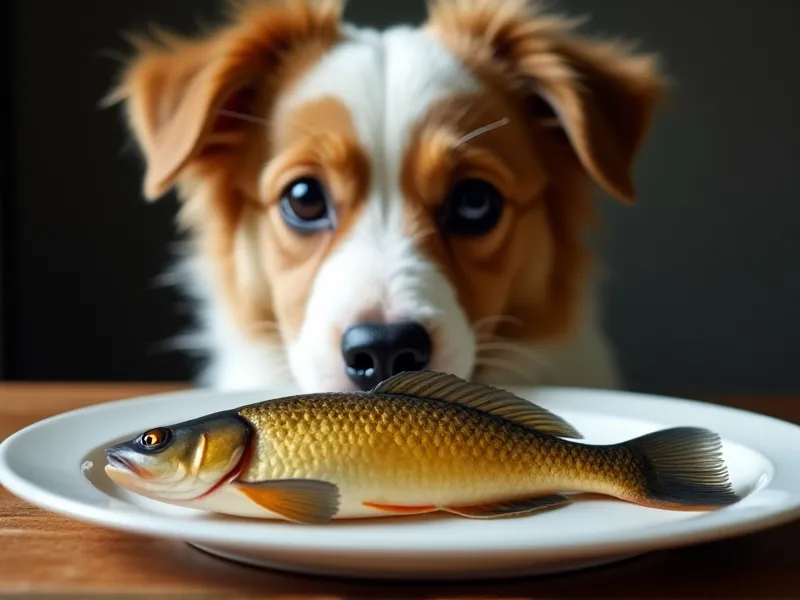
Table of Contents
- Can Dogs Eat Asian Carp? The Short Answer
- The Benefits of Asian Carp for Dogs
- Protein: Building Blocks for Strong Muscles
- Omega-3 Fatty Acids: For a Shiny Coat and Healthy Joints
- Potassium & Essential Vitamins: Supporting Overall Health
- The Risks: What Pet Parents Need to Watch For
- Bones: A Choking and Blockage Hazard
- Mercury: A Freshwater Concern (But Maybe Less Than You Think)
- Parasites & Pathogens: Why Raw Carp Is a No-Go
- Seasonings, Oil, and Additives: The Hidden Dangers
- How Much Asian Carp Can Dogs Eat? Guidelines for Safe Feeding
- Healthier Alternatives to Asian Carp
- FAQ: Your Top Asian Carp Questions Answered
- Conclusion: Moderation and Common Sense
Can Dogs Eat Asian Carp? The Short Answer
Yes, dogs can eat Asian carp—but only in moderation, when properly prepared. This freshwater fish is not toxic to dogs, and in small, cooked, deboned portions, it can even offer some nutritional benefits. However, there are risks to watch for (think bones, mercury, and parasites), so it’s not a daily staple. Let’s break down the details to keep your pup safe and happy.
The Benefits of Asian Carp for Dogs
Asian carp—including species like silver carp, bighead carp, and grass carp—are lean, protein-packed fish that can provide several key nutrients for dogs. Here’s how this freshwater catch might boost your pup’s health:
1. High-Quality Protein: Fuel for Muscles and More
Protein is the foundation of a dog’s diet, supporting muscle growth, tissue repair, and a strong immune system. Asian carp is rich in lean protein, with around 20-25 grams per 100 grams of cooked, deboned flesh (source: USDA FoodData Central). This makes it a solid alternative to processed treats, especially for active dogs or those needing a protein boost.
2. Omega-3 Fatty Acids: For a Glossy Coat and Healthy Joints
Like many fish, Asian carp contains omega-3 fatty acids (EPA and DHA), which are crucial for reducing inflammation, supporting brain health, and keeping your dog’s coat shiny and skin itch-free. While not as high in omega-3s as fatty fish like salmon, Asian carp still offers a moderate amount—making it a budget-friendly way to add these nutrients to your pup’s diet (source: Journal of Aquatic Food Product Technology).
3. Potassium & Essential Vitamins: Supporting Heart and Metabolism
Asian carp is a good source of potassium, an electrolyte that helps regulate heart rhythm and muscle function. It also contains B vitamins (like B12 and niacin), which support energy metabolism and nerve health, and selenium, an antioxidant that protects cells from damage.
The Risks: What Pet Parents Need to Watch For
While Asian carp has benefits, it’s not without risks. Here’s what to avoid to keep your dog safe:
1. Bones: A Choking and Intestinal Hazard
Asian carp, like most fish, have small, thin bones—especially in the rib and spine areas. These bones are sharp and can easily get stuck in your dog’s throat (choking), or worse, tear through the esophagus or intestines (causing blockages or internal bleeding). Even “deboned” fish can have tiny bones left behind, so always inspect thoroughly before feeding.
2. Mercury: A Freshwater Concern (But Lower Than Predatory Fish)
Mercury is a heavy metal found in many fish, and high levels can harm dogs’ kidneys, nervous systems, and brains. However, Asian carp are filter feeders (they eat plankton, not other fish), so they’re lower on the food chain and accumulate less mercury than predatory fish like bass or pike (source: U.S. Environmental Protection Agency). That said, moderation is key—avoid feeding Asian carp more than occasionally.
3. Parasites & Pathogens: Why Raw Carp Is a No-Go
Raw or undercooked fish (including Asian carp) can contain parasites like tapeworms or roundworms, or bacteria like Salmonella or Listeria. These can cause vomiting, diarrhea, or more serious infections in dogs. Always cook Asian carp thoroughly (to an internal temperature of 145°F/63°C) to kill pathogens (source: American Veterinary Medical Association).
4. Seasonings, Oil, and Additives: Keep It Plain!
Never feed your dog Asian carp that’s been fried, breaded, or seasoned with salt, garlic, onion, sugar, or spices. Garlic and onion are toxic to dogs (they damage red blood cells), while salt can cause dehydration or sodium ion poisoning. Even a little sugar can lead to obesity or dental issues over time. Stick to plain, cooked, deboned carp only.
How Much Asian Carp Can Dogs Eat? Guidelines for Safe Feeding
Asian carp should be an occasional treat, not a regular part of your dog’s diet. Follow these rules to avoid overdoing it:
- Portion size: Aim for 10% or less of your dog’s daily calorie intake. For example:
- Small dogs (10-20 lbs): 1-2 ounces of cooked, deboned carp per week.
- Medium dogs (30-50 lbs): 3-4 ounces per week.
- Large dogs (60+ lbs): 5-6 ounces per week.
- Frequency: No more than once or twice a week.
- Preparation: Cook thoroughly, remove all bones, and serve plain (no salt, oil, or seasonings).
Healthier Alternatives to Asian Carp
If you’re unsure about Asian carp, or want more reliable fish options for your dog, try these vet-recommended alternatives:
1. Salmon
Rich in omega-3s, low in mercury (wild-caught Alaskan salmon is best), and easy to find. Serve cooked, deboned, and plain.
2. Sardines
Small, soft bones are safe to eat (no need to debone!), and they’re packed with calcium, omega-3s, and protein. Look for canned sardines in water (no salt added).
3. Cod
Lean, mild-tasting, and low in mercury. A great source of protein for dogs with sensitive stomachs.
4. Trout
Another freshwater option with omega-3s and B vitamins. Cook thoroughly and debone before feeding.
FAQ: Your Top Asian Carp Questions Answered
Q: Can dogs eat raw Asian carp?
A: No. Raw fish (including Asian carp) may contain parasites or bacteria that can make your dog sick. Always cook carp to 145°F to kill pathogens.
Q: What if my dog ate Asian carp bones?
A: Watch for signs of choking (gagging, pawing at the mouth), vomiting, diarrhea, or lethargy. If you notice these, contact your vet immediately—bones can cause blockages or tears.
Q: Is Asian carp better than commercial dog treats?
A: It can be, if prepared properly! Plain, cooked carp is a natural, low-processed alternative. But commercial treats are formulated to meet nutritional needs, so balance is key.
Q: Can puppies eat Asian carp?
A: Puppies have sensitive digestive systems. Introduce small amounts of cooked, deboned carp slowly, and consult your vet first to ensure it fits their diet.
Q: Are there any dogs who shouldn’t eat Asian carp?
A: Dogs with kidney issues (due to potassium) or seafood allergies should avoid it. Always check with your vet if your dog has health conditions.
Conclusion: Moderation and Common Sense
So, can dogs eat Asian carp? Yes—but with caution. This freshwater fish can be a tasty, nutrient-rich treat when cooked, deboned, and served plain in small amounts. Just remember to avoid bones, skip the seasonings, and keep it occasional.
As with any new food, it’s smart to consult your vet first—especially if your dog has allergies, health issues, or a sensitive stomach. And when in doubt, stick to tried-and-true alternatives like salmon or sardines.
Your dog’s health (and those begging eyes) will thank you for the extra care. Happy feeding!
References
- American Veterinary Medical Association (AVMA). “Feeding Your Pet Fish: What You Need to Know.”
- U.S. Environmental Protection Agency (EPA). “Mercury Levels in Freshwater Fish.”
- USDA FoodData Central. “Nutritional Profile of Asian Carp.”
- Journal of Aquatic Food Product Technology. “Fatty Acid Composition of Asian Carp Species.”
- ASPCA. “Toxic and Non-Toxic Foods for Dogs.”