· 8 min read
Can Dogs Eat Artichoke Hearts? A Pet Parent’s Guide to Safe Snacking
It’s a sunny afternoon, and you’re savoring a plate of roasted artichoke hearts—tender, buttery, and packed with that earthy, slightly nutty flavor we humans adore. Out of the corner of your eye, you spot your dog, Bella, staring up at you with those big, soulful eyes. Her tail thumps gently, as if she’s silently begging, “Can I have a bite?” You pause, fork hovering. Are artichoke hearts safe for dogs? Or is this one human snack your pup should politely decline?
If you’ve ever found yourself in this scenario, you’re not alone. As pet parents, we want to share the joys of good food with our furry friends, but safety always comes first. In this guide, we’ll answer the big question: Can dogs eat artichoke hearts? We’ll break down the benefits, the risks, how to serve them safely, and even share some healthier alternatives. Let’s dive in!
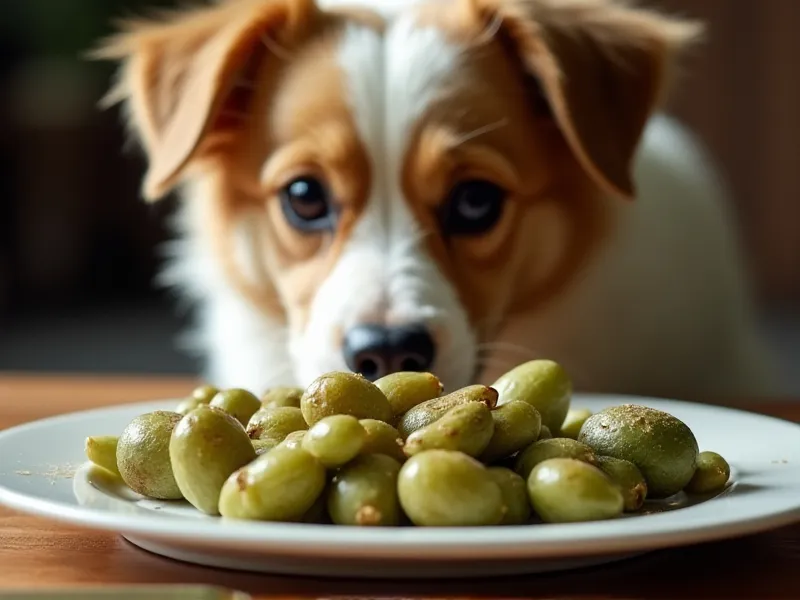
Table of Contents
- Can Dogs Eat Artichoke Hearts? The Short Answer
- The Benefits of Artichoke Hearts for Dogs
- Nutrient Powerhouse: Vitamins & Minerals
- Fiber: A Friend to Digestion
- Antioxidants: Supporting Long-Term Health
- The Risks: What Pet Parents Need to Watch For
- Choking Hazards: The “Choke” and Tough Leaves
- Stomach Upset: Too Much of a Good Thing
- Hidden Dangers: Added Ingredients & Preparation
- How to Safely Feed Artichoke Hearts to Your Dog
- Preparation Tips: Cooked, Plain, and Tender
- Portion Control: Size Matters!
- Introducing Artichokes to Your Dog’s Diet
- Healthier Alternatives to Artichoke Hearts
- FAQ: Your Artichoke Heart Questions Answered
- Conclusion: Moderation is Key
1. Can Dogs Eat Artichoke Hearts? The Short Answer
Yes, dogs can eat artichoke hearts—in moderation and when prepared safely.
According to the American Society for the Prevention of Cruelty to Animals (ASPCA), artichokes are not toxic to dogs. In fact, they’re low in calories, high in fiber, and packed with vitamins, making them a potentially healthy occasional treat. However, “safe” doesn’t mean “unlimited.” Artichoke hearts come with some risks, especially if served improperly or in large amounts. Let’s unpack the details.
2. The Benefits of Artichoke Hearts for Dogs
Artichoke hearts aren’t just a tasty human snack—they’re also nutrient-dense, which means they offer some potential perks for your pup when fed correctly. Here’s why they might make a great occasional treat:
Nutrient Powerhouse: Vitamins & Minerals
Artichoke hearts are loaded with vitamins and minerals that support your dog’s overall health:
- Vitamin C: An antioxidant that boosts the immune system and helps fight inflammation.
- Vitamin K: Essential for blood clotting and bone health (important for growing puppies and senior dogs alike).
- Folate (Vitamin B9): Supports cell repair and red blood cell production, keeping your dog’s energy levels steady.
- Potassium: A vital electrolyte that regulates heart rate, muscle function, and fluid balance—key for active dogs!
Fiber: A Friend to Digestion
Fiber is a star nutrient in artichoke hearts, and it’s great for your dog’s gut health. Here’s how:
- Supports Regularity: Fiber adds bulk to stool, helping prevent constipation (a common issue for dogs on kibble-heavy diets).
- Feeds Good Gut Bacteria: Soluble fiber acts as a prebiotic, nourishing the beneficial bacteria in your dog’s gut, which supports digestion and immune function.
- Aids Weight Management: High-fiber foods help your dog feel full without adding excess calories, making artichoke hearts a smart treat for pups watching their waistlines.
Antioxidants: Supporting Long-Term Health
Artichokes are rich in antioxidants like quercetin and rutin, which help neutralize harmful free radicals in the body. Over time, this may reduce the risk of chronic diseases and support healthy aging—think shiny coats, bright eyes, and that “puppy energy” lasting longer into their senior years.
3. The Risks: What Pet Parents Need to Watch For
While artichoke hearts have benefits, they’re not without risks. Let’s break down the potential downsides to keep your dog safe:
Choking Hazards: The “Choke” and Tough Leaves
The biggest physical risk with artichokes is choking—specifically from two parts:
- The Choke: The fuzzy, hair-like center of the artichoke (found just above the heart). This part is not digestible and can get stuck in your dog’s throat or digestive tract, leading to choking or an intestinal blockage (a medical emergency).
- Tough Outer Leaves: The outer leaves of the artichoke are fibrous and tough, even when cooked. They can be hard for dogs to chew, increasing the risk of choking or stomach irritation.
Pro Tip: Only feed the heart of the artichoke (the tender, fleshy base), and always remove the choke and outer leaves first.
Stomach Upset: Too Much of a Good Thing
Artichoke hearts are high in fiber—and while fiber is great for digestion, too much can backfire. Dogs (especially those with sensitive stomachs) may experience:
- Gas or bloating
- Diarrhea
- Stomach cramps
This is because their digestive systems aren’t used to large amounts of fiber from non-dog food sources. Start with tiny portions to see how your dog reacts!
Hidden Dangers: Added Ingredients & Preparation
Plain, cooked artichoke hearts are safe—but many human-prepared artichokes come with added ingredients that are toxic to dogs. Avoid feeding your pup artichokes that are:
- Seasoned: Garlic, onion, salt, pepper, or herbs like rosemary (in large amounts) can be harmful. Garlic and onion, in particular, contain compounds that damage red blood cells in dogs, leading to anemia.
- Canned in Oil or Sauce: Canned artichokes often sit in oil, brine, or creamy dips (like spinach-artichoke dip), which are high in fat, salt, or dairy (many dogs are lactose intolerant).
- Raw: Raw artichoke hearts are tough and hard to digest, increasing the risk of stomach upset. Always cook them first!
4. How to Safely Feed Artichoke Hearts to Your Dog
If you want to share artichoke hearts with your pup, follow these steps to keep them safe and happy:
Step 1: Choose the Right Artichokes
Opt for fresh or frozen artichoke hearts (without added salt, oil, or seasonings). Avoid canned artichokes in brine or sauce—these are often high in sodium, which can lead to dehydration or kidney issues in dogs.
Step 2: Prep Thoroughly
- Cook them: Steam, boil, or roast the artichoke hearts until they’re soft and tender (raw artichokes are too tough).
- Remove the choke: Even in pre-packaged artichoke hearts, double-check for any remaining fuzzy “choke” bits—these are non-negotiable to remove!
- Ditch the leaves: Only feed the heart itself; outer leaves are too fibrous.
- No seasonings: Skip butter, garlic, salt, or herbs. Plain is best!
Step 3: Portion Control—Size Matters!
Artichoke hearts should be an occasional treat, not a meal replacement. The amount depends on your dog’s size:
- Small dogs (under 20 lbs): 1–2 teaspoons of cooked, chopped artichoke heart per week.
- Medium dogs (20–50 lbs): 1–2 tablespoons per week.
- Large dogs (50+ lbs): Up to ¼ cup per week.
Overfeeding can lead to stomach upset, so stick to these guidelines!
Step 4: Introduce Slowly
If your dog has never had artichoke hearts before, start with a tiny piece (like ½ teaspoon for small dogs) and monitor them for 24 hours. Watch for signs of upset: diarrhea, vomiting, or excessive gas. If they tolerate it, you can gradually increase the portion (within the limits above).
5. Healthier Alternatives to Artichoke Hearts
If you’re not sure about artichoke hearts, or your dog didn’t love them, here are some safer, more dog-friendly veggie treats:
Green Beans
Low in calories, high in fiber, and packed with vitamins A, C, and K. Serve them steamed or raw (chopped for small dogs) as a crunchy snack.
Carrots
Crunchy, sweet, and loaded with beta-carotene (which converts to vitamin A for eye health). Raw carrots are great for dental health—they naturally scrape plaque off teeth!
Sweet Potatoes
Cooked, mashed sweet potatoes are a hit with most dogs. They’re rich in fiber, vitamins, and antioxidants, and easy to digest.
Pumpkin (Plain, Canned)
Plain, unsweetened pumpkin is a go-to for digestive issues—it soothes upset tummies and helps with both constipation and diarrhea.
6. FAQ: Your Artichoke Heart Questions Answered
Q: Can puppies eat artichoke hearts?
A: Puppies can try small amounts of cooked artichoke hearts, but their digestive systems are more sensitive. Stick to ½ the adult portion (e.g., ½ teaspoon for small breed puppies) and introduce slowly. Always consult your vet first, especially if your puppy has a sensitive stomach.
Q: My dog ate a whole artichoke (leaves, choke, and all)! What should I do?
A: Don’t panic, but monitor them closely. The tough leaves or choke could cause choking or blockage. Signs of trouble include gagging, vomiting, diarrhea, loss of appetite, or lethargy. If you notice any of these, contact your vet immediately.
Q: Are artichoke dips (like spinach-artichoke dip) safe for dogs?
A: No! These dips often contain garlic, onion, cheese (dairy), or high-fat ingredients—all of which are bad for dogs. Even a small bite could cause stomach upset or worse.
Q: Can dogs eat artichoke stems?
A: The stem is edible for humans, but it’s tough and fibrous for dogs. It’s best to avoid stems, as they pose a choking risk. Stick to the heart only.
7. Conclusion: Moderation is Key
Artichoke hearts can be a safe, healthy treat for your dog when prepared properly and served in small amounts. They’re low in calories, high in fiber, and packed with vitamins that support digestion, immunity, and overall health. But remember: they’re not a substitute for your dog’s balanced, species-appropriate diet.
As with any new food, start slow, watch for reactions, and when in doubt, consult your vet. Every dog is different—what works for one pup might upset another’s stomach.
So, the next time you’re enjoying artichoke hearts, feel free to share a tiny, cooked, plain piece with your furry friend. Just make sure those puppy eyes don’t convince you to overdo it!
Here’s to happy, healthy snacking—for both you and your dog. 🐾
Sources:
- American Society for the Prevention of Cruelty to Animals (ASPCA). Toxic and Non-Toxic Plants.
- PetMD. Can Dogs Eat Artichokes?
- VCA Hospitals. Feeding Vegetables to Your Dog: Which are Safe?
- Dr. Jennifer Coates, DVM. Nutrition for Dogs: Vegetables.