· 9 min read
Can Dogs Eat Apple Seeds? The Surprising Truth Every Pet Parent Should Know
It’s a familiar scene: You’re munching on a crisp, juicy apple, and your dog—ever the opportunist—sits at your feet, tail thumping, eyes locked on the fruit in your hand. You break off a piece, seeds and all, and toss it their way. Then doubt creeps in: Wait, can dogs eat apple seeds? Are they safe?
If you’ve ever asked yourself this question, you’re not alone. Apples are a popular human snack, and sharing with our furry friends feels natural. But when it comes to seeds, myths and misinformation abound. Some say they’re toxic; others claim they’re harmless. So what’s the truth?
In this guide, we’ll dive into the science behind apple seeds and dogs, exploring the benefits of apples (yes, apples can be good for dogs!), the risks of seeds (and other parts of the apple), safe serving tips, and healthier alternatives. By the end, you’ll know exactly how to share this crunchy fruit with your pup—without the worry.
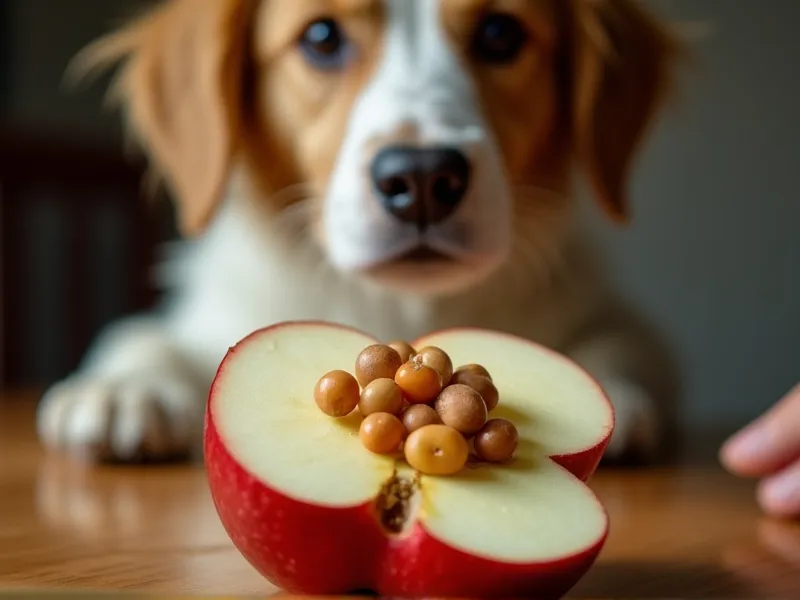
Table of Contents
- Can Dogs Eat Apple Seeds? The Short Answer
- The Benefits of Apples for Dogs (It’s Not All About the Seeds!)
- The Risks: Why Apple Seeds (and More) Might Be Harmful
- Safe Serving Guidelines: How to Share Apples With Your Dog
- Healthier Alternatives to Apple Seeds (and Even Apples!)
- FAQ: Your Apple-Related Dog Questions, Answered
- Conclusion: Enjoy Apples Safely With Your Pup
- References
Can Dogs Eat Apple Seeds? The Short Answer
No, dogs should not eat apple seeds.
Here’s why: Apple seeds contain a compound called amygdalin, which breaks down into cyanide when chewed or digested. Cyanide is a poison that prevents cells from using oxygen, leading to serious health issues (and even death in extreme cases).
But before you panic if your dog has already eaten a few seeds: The risk is low in small quantities. A single apple seed contains only trace amounts of amygdalin, and your dog would need to eat hundreds of seeds to reach toxic levels (more on that later). Still, “low risk” doesn’t mean “no risk.” To keep your pup safe, it’s best to always remove apple seeds (and the core) before sharing apples with your dog.
The Benefits of Apples for Dogs (It’s Not All About the Seeds!)
While apple seeds are off-limits, the flesh of the apple is packed with nutrients that can benefit your dog. When prepared safely (seed- and core-free), apples make a crunchy, low-calorie treat for most pups. Here’s what makes them a great addition to your dog’s snack rotation:
1. Fiber: Good for Digestion
Apples are rich in dietary fiber, including both soluble (pectin) and insoluble fiber. Soluble fiber helps regulate blood sugar and can soothe an upset stomach, while insoluble fiber adds bulk to stool, supporting regular digestion. For dogs with occasional constipation, a small serving of apple (without seeds!) can act as a gentle, natural remedy.
2. Vitamins: A Boost for Immunity & Health
- Vitamin C: An antioxidant that supports immune function and helps fight inflammation. While dogs produce their own vitamin C, extra from apples can be beneficial, especially for senior dogs or those under stress.
- Vitamin A: Essential for eye health, skin, and coat. Apples (especially the skin) contain beta-carotene, which converts to vitamin A in the body.
- Potassium: Supports heart health, muscle function, and electrolyte balance.
3. Low in Calories & Fat
Unlike many commercial treats, apples are low in calories (about 52 calories per medium apple) and contain no fat. This makes them a great option for dogs watching their weight or those on a restricted diet. Just remember: Treats (including apples) should make up no more than 10% of your dog’s daily calories.
4. Dental Health: Crunchy and Cleansing
The act of chewing apple slices can help scrape plaque off your dog’s teeth, acting as a natural “toothbrush.” While it’s no substitute for regular brushing, this crunchy snack can support oral health—especially for dogs who hate having their teeth cleaned!
The Risks: Why Apple Seeds (and More) Might Be Harmful
Apples are generally safe for dogs, but they’re not without risks—especially if you don’t prepare them properly. Let’s break down the dangers, starting with the seeds.
1. Apple Seeds: Cyanide Toxicity (A Low but Real Risk)
As mentioned, apple seeds contain amygdalin, which releases cyanide when crushed or digested. Cyanide poisoning in dogs is rare from apple seeds alone, but it’s not impossible.
How much is too much? According to veterinary toxicologists, a dog would need to eat approximately 150–200 apple seeds per kilogram of body weight to reach a lethal dose. For a 30-pound dog (13.6 kg), that’s over 2,000 seeds—about 100 apples’ worth!
But even small amounts can cause issues if eaten regularly. Symptoms of cyanide toxicity include:
- Weakness or lethargy
- Difficulty breathing
- Dilated pupils
- Seizures
- Collapse
- Bright red gums (due to oxygen deprivation)
If you suspect your dog has eaten a large number of apple seeds, contact your vet immediately.
2. The Apple Core: A Choking Hazard
The core of an apple is tough, fibrous, and indigestible. For small dogs, especially, a chunk of core can get stuck in the throat, causing choking. Even larger dogs may struggle to pass a core, leading to intestinal blockages (a life-threatening emergency requiring surgery). Always remove the core before feeding apples to your dog.
3. Sugar: Too Much of a Good Thing
Apples contain natural sugars (fructose), which can add up quickly. Overfeeding apples can lead to:
- Weight gain and obesity
- Dental cavities (from sugar sticking to teeth)
- Blood sugar spikes (risky for dogs with diabetes)
A medium apple has about 19 grams of sugar—equivalent to 5 teaspoons. For a small dog (e.g., a 10-pound Chihuahua), even half an apple could be too much sugar in one sitting.
4. Stomach Upset from Overindulgence
While fiber is good for digestion, too much fiber can backfire. Feeding your dog a large amount of apple (especially with skin) may cause:
- Diarrhea
- Gas
- Bloating
- Stomach cramps
Start with small portions and monitor your dog’s reaction.
Safe Serving Guidelines: How to Share Apples With Your Dog
With the risks in mind, apples can still be a safe, healthy treat—if prepared correctly. Follow these steps to share apples with your pup:
1. Prep the Apple Properly
- Wash thoroughly: Remove pesticides, dirt, or bacteria by rinsing the apple under running water (or use a fruit brush for stubborn residue).
- Remove seeds and core: Slice the apple in half, scoop out the core and all seeds with a spoon, then cut the flesh into bite-sized pieces.
- Skip the extras: Avoid adding sugar, cinnamon, or peanut butter (unless unsalted and xylitol-free). Plain apple is best.
2. Stick to Small Portions
Treats should make up no more than 10% of your dog’s daily calories. Here’s a general guide based on weight:
- Small dogs (5–20 lbs): 1–2 thin slices (about 1/4 of a small apple)
- Medium dogs (20–50 lbs): 1/4 to 1/2 of a small apple
- Large dogs (50+ lbs): 1/2 to 1 whole small apple
Example: A 30-pound dog on a 1,000-calorie diet can have ~100 calories from treats daily. A 1/4 apple (~13 calories) fits easily!
3. Monitor for Reactions
After feeding apple for the first time, watch for signs of stomach upset (diarrhea, vomiting) or allergies (itching, swelling). Most dogs tolerate apples well, but every pup is different.
4. Limit Frequency
Apples are a treat, not a meal. Aim for 1–2 times per week at most, depending on your dog’s diet and health.
Healthier Alternatives to Apple Seeds (and Even Apples!)
If you’re looking for safer, lower-sugar snacks, these fruits and veggies are great alternatives to apples:
1. Blueberries
- Why they’re great: Low in sugar (8 grams per cup), high in antioxidants (supports brain health!), and packed with fiber.
- Serving size: 5–10 blueberries for small dogs; 1/4 cup for large dogs.
2. Strawberries
- Why they’re great: Rich in vitamin C and fiber, with only 49 calories per cup. The enzymes in strawberries may even help whiten teeth!
- Serving size: 1–2 sliced strawberries for small dogs; 3–4 for large dogs.
3. Carrots
- Why they’re great: Crunchy, low-calorie (25 calories per medium carrot), and high in beta-carotene (vitamin A). Chewing carrots also cleans teeth!
- Serving size: 1–2 baby carrots for small dogs; 1 medium carrot (sliced) for large dogs.
4. Green Beans
- Why they’re great: Zero fat, high in fiber, and a good source of vitamins K and C. Canned (no salt) or fresh—both work!
- Serving size: 1–2 tbsp for small dogs; 1/4 cup for large dogs.
5. Watermelon (Seedless!)
- Why they’re great: Hydrating (92% water), low in calories, and a good source of lycopene (antioxidant).
- Serving size: 1–2 small cubes for small dogs; 1/2 cup for large dogs (remove rind and seeds!).
FAQ: Your Apple-Related Dog Questions, Answered
Q: My dog ate a few apple seeds—should I panic?
A: Probably not. A few seeds contain minimal amygdalin, and your dog would need to eat hundreds to get sick. Monitor for symptoms (lethargy, trouble breathing) and contact your vet if you notice anything unusual.
Q: Can dogs eat apple cores?
A: No. The core is a choking hazard and contains all the seeds. Always remove the core before feeding apples to your dog.
Q: Are apples safe for dogs with diabetes?
A: It depends. Apples have natural sugar, so consult your vet first. If approved, serve tiny portions (1–2 slices) and monitor blood sugar levels.
Q: Can dogs eat apple peels?
A: Yes! Apple peels are safe and contain extra fiber and vitamins. Just wash them thoroughly to remove pesticides.
Q: What if my dog ate a whole apple (core and all)?
A: Contact your vet immediately. The core could cause choking or intestinal blockage, and a large number of seeds may pose a cyanide risk.
Q: Is apple sauce safe for dogs?
A: Unsweetened apple sauce is okay in small amounts. Avoid varieties with added sugar, cinnamon (toxic to some dogs in large doses), or xylitol (deadly to dogs).
Conclusion: Enjoy Apples Safely With Your Pup
Apples can be a tasty, nutritious treat for dogs—when prepared correctly. While the seeds pose a low but real cyanide risk, and the core is a choking hazard, the flesh of the apple offers fiber, vitamins, and crunch your pup will love.
Remember: Remove seeds and core, stick to small portions, and opt for lower-sugar alternatives if your dog has health issues. When in doubt, consult your vet—they know your pup’s unique needs best.
At the end of the day, sharing treats is about bonding with your dog. Whether it’s a slice of apple, a handful of blueberries, or a crunchy carrot, the most important thing is to enjoy these moments safely.
Your dog’s tail (and tummy) will thank you!
References
- American Society for the Prevention of Cruelty to Animals (ASPCA). “Toxic and Non-Toxic Plants: Apple.” aspca.org
- American Kennel Club (AKC). “Can Dogs Eat Apples?” akc.org
- Veterinary Centers of America (VCA). “Cyanide Poisoning in Dogs.” vcahospitals.com
- Journal of Veterinary Emergency and Critical Care. “Cyanide Toxicity in Dogs: A Review.” (2018)
- PetMD. “Can Dogs Eat Apples? Benefits and Risks.” petmd.com