· 9 min read
Can Dogs Eat Apples and Pears? A Pet Parent’s Guide to Safe Snacking
You’re sitting on the couch, crunching into a fresh apple, when your dog trots over, tail thumping. Their big, hopeful eyes lock onto your snack, and suddenly you’re hit with the question: Is this safe to share? If you’ve ever wondered whether apples and pears make healthy treats for your pup, you’re not alone. These crisp, sweet fruits are staples in human diets—but are they okay for dogs?
In this guide, we’ll break down everything you need to know: the benefits, the risks, how to serve them safely, and even healthier alternatives. Let’s dive in!
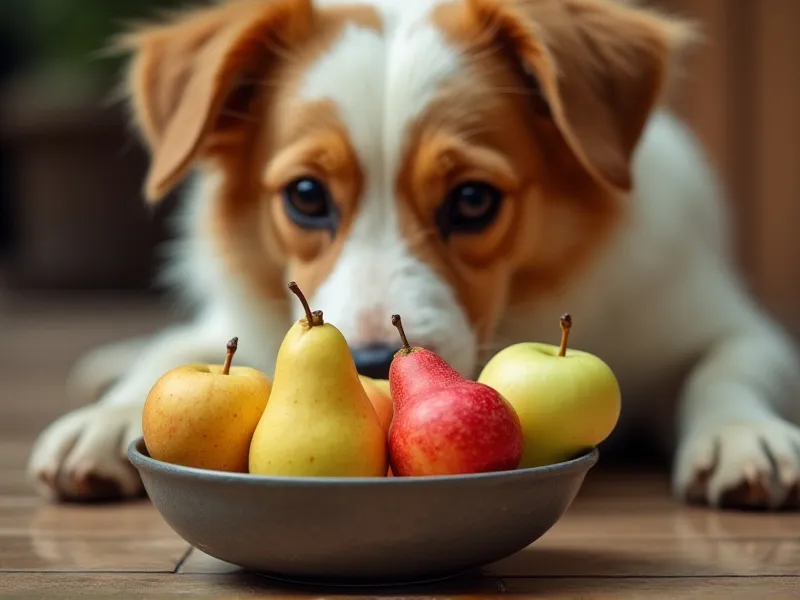
Table of Contents
- Can Dogs Eat Apples and Pears? The Short Answer
- The Benefits of Apples and Pears for Dogs
- Potential Risks to Watch Out For
- How Much Apple or Pear Can Dogs Safely Eat?
- Healthier Alternatives to Apples and Pears
- FAQ: Your Apple & Pear Questions Answered
- Final Thoughts: Snack Smart, Keep Your Pup Happy
Can Dogs Eat Apples and Pears? The Short Answer
Yes, dogs can eat apples and pears—but with caveats. When prepared properly (seedless, cored, and cut into small pieces) and served in moderation, these fruits are safe, nutrient-packed treats. They’re low in calories, high in fiber, and loaded with vitamins—making them a better choice than processed dog biscuits.
That said, not all parts of apples and pears are safe, and overfeeding can lead to health issues. Let’s break down the details to ensure your pup enjoys these fruits safely.
The Benefits of Apples and Pears for Dogs
Apples and pears aren’t just tasty—they’re nutritional powerhouses for dogs, too. Here’s how they can boost your pup’s health:
1. Fiber: A Digestive Superstar
Both fruits are rich in dietary fiber, which is essential for healthy digestion. Soluble fiber (like pectin in apples) helps regulate blood sugar and keeps your dog’s gut lining healthy, while insoluble fiber adds bulk to stool, preventing constipation. For dogs prone to upset tummies, a small serving of apple or pear can act as a gentle digestive aid.
2. Vitamins: Immune Support & More
- Vitamin C: Apples and pears are both good sources of vitamin C, an antioxidant that supports your dog’s immune system, fights inflammation, and helps repair cells. While dogs produce their own vitamin C, extra from treats can give their immune system a boost—especially helpful for senior dogs or those recovering from illness.
- Vitamin A: Apples contain vitamin A, which promotes healthy skin, coat, and eye function. A shiny coat and bright eyes? Thank vitamin A!
3. Potassium: Heart & Muscle Health
Pears, in particular, are high in potassium—a mineral that supports heart health, muscle function, and fluid balance. Potassium helps regulate blood pressure and keeps your dog’s heart rhythm steady, making it a key nutrient for active pups or breeds prone to heart issues (like Boxers or Cocker Spaniels).
4. Antioxidants: Fight Free Radicals
Both fruits are packed with antioxidants (like quercetin in apples and chlorogenic acid in pears), which neutralize harmful free radicals in your dog’s body. Over time, this can reduce the risk of chronic diseases and slow aging—keeping your pup spry for years to come.
5. Low-Calorie, Hydrating Treats
Apples and pears are 80-85% water, making them hydrating snacks (perfect for hot days!). They’re also low in calories: a medium apple has ~95 calories, and a medium pear has ~100—far less than a typical dog cookie (which can have 30-50 calories per treat). For dogs watching their weight, these fruits are a guilt-free alternative.
Potential Risks to Watch Out For
While apples and pears are generally safe, they come with a few risks to avoid. Here’s what to watch for:
1. Sugar Overload
Apples and pears contain natural sugars (fructose), which taste sweet to dogs (and humans!). While natural sugars are better than added sugars, too much can lead to weight gain, obesity, or even diabetes over time. For example, a large apple has ~25g of sugar—about the same as a can of soda!
Rule of thumb: Treats (including fruits) should make up no more than 10% of your dog’s daily calories. For a 30-pound dog eating 600 calories a day, that’s just 60 calories from treats—about 1-2 slices of apple.
2. Stomach Upset from Too Much Fiber
While fiber is good for digestion, too much can backfire. If your dog gobbles down a whole apple or pear, they may experience diarrhea, bloating, or gas. This is especially true for dogs with sensitive stomachs or those unused to high-fiber foods. Start with tiny portions and monitor their reaction.
3. Choking Hazards & Toxic Seeds
The biggest risk with apples and pears isn’t the fruit itself—it’s the parts you don’t eat:
- Seeds: Apple seeds contain small amounts of cyanide, a toxin that can harm dogs in large quantities. While it would take hundreds of seeds to poison a dog (one apple has ~5-10 seeds), it’s better to play it safe and remove them. Pear seeds are less toxic but can still cause choking if swallowed whole.
- Core & Stem: The tough core of apples and pears is a choking hazard, especially for small dogs. It can also get stuck in their intestines, leading to a blockage (a life-threatening emergency). Always remove the core, stem, and seeds before serving.
- Large Chunks: Even without the core, big pieces of apple or pear can get lodged in your dog’s throat. Cut fruits into bite-sized pieces (about the size of a blueberry for small dogs, cherry for medium, grape for large) to prevent choking.
4. Pesticides & Chemicals
Most store-bought apples and pears are sprayed with pesticides to protect against bugs. While these chemicals are safe for humans in small amounts, dogs (who lick their paws and may eat the skin) can ingest more. To reduce risk:
- Wash fruits thoroughly under running water.
- Opt for organic apples/pears when possible (the “Dirty Dozen” list ranks apples as one of the most pesticide-heavy fruits!).
How Much Apple or Pear Can Dogs Safely Eat?
The key to feeding apples and pears is moderation and preparation. Here’s a step-by-step guide to serving them safely:
Step 1: Prepare the Fruit
- Wash thoroughly: Scrub under cold water to remove pesticides, dirt, or wax.
- Remove hazards: Cut out the core, stem, and seeds. Slice the fruit into thin, bite-sized pieces (no larger than your dog’s thumbnail for small breeds).
Step 2: Stick to Portion Sizes
Treat apples and pears as occasional snacks, not meal replacements. Use this chart as a guide:
| Dog Size | Apple Portion | Pear Portion |
|---|---|---|
| Small (5-20 lbs) | 1-2 thin slices | 1-2 thin slices |
| Medium (20-50 lbs) | 2-3 thin slices | 2-3 thin slices |
| Large (50+ lbs) | 3-4 thin slices | 3-4 thin slices |
Example: A 30-pound Beagle could safely enjoy 2 slices of apple (about 30 calories) as a treat after a walk.
Step 3: Monitor for Reactions
Every dog is different! After serving apple or pear for the first time, watch for signs of stomach upset (diarrhea, vomiting, gas) or allergies (itching, swelling). If you notice any issues, stop feeding the fruit and consult your vet.
Step 4: Avoid Added Extras
Never serve apples or pears with:
- Sugar, honey, or syrup (adds empty calories).
- Cinnamon (safe in small amounts, but some dogs dislike the taste).
- Nut butter (unless unsalted and xylitol-free—xylitol is toxic to dogs!).
Healthier Alternatives to Apples and Pears
If your dog isn’t a fan of apples or pears, or you want to mix up their treats, try these low-sugar, nutrient-dense alternatives:
Fruits
- Blueberries: Tiny, sweet, and packed with antioxidants. Low in sugar (~1g per berry) and safe for all dogs.
- Strawberries: High in vitamin C and fiber. Remove the green top and slice into small pieces.
- Watermelon: Hydrating (92% water!) and low in sugar. Remove the rind and seeds first.
- Bananas: Rich in potassium and vitamin B6, but high in sugar—limit to 1-2 slices per week for small dogs.
Vegetables
- Carrots: Crunchy, low-calorie, and full of beta-carotene (good for eyes!). Dogs love them raw or steamed.
- Green Beans: High in fiber and vitamins, with just 3 calories per bean. Great for weight management.
- Cucumber: Hydrating and virtually calorie-free—perfect for hot days.
Pro Tip: Freeze treats for a summer cool-down! Frozen apple slices, blueberries, or carrot sticks make refreshing snacks for teething puppies or dogs who love cold foods.
FAQ: Your Apple & Pear Questions Answered
Q: Can dogs eat apple skin?
A: Yes! Apple skin is safe and packed with fiber and antioxidants. Just make sure to wash it thoroughly to remove pesticides.
Q: Are pear seeds toxic to dogs?
A: Pear seeds contain trace amounts of cyanide, but far less than apple seeds. However, they’re still a choking hazard, so always remove them.
Q: Can puppies eat apples or pears?
A: Yes, but in very small portions (1-2 tiny bites for a 10-pound puppy). Puppies have sensitive tummies, so introduce new foods slowly.
Q: My dog has diabetes—can they eat apples or pears?
A: Consult your vet first. The natural sugars in these fruits can spike blood sugar, so they may not be safe for diabetic dogs.
Q: Is apple sauce safe for dogs?
A: Only if it’s unsweetened (no added sugar or xylitol). Serve 1-2 teaspoons for small dogs, 1 tablespoon for large dogs, as an occasional treat.
Final Thoughts: Snack Smart, Keep Your Pup Happy
Apples and pears can be wonderful, healthy treats for dogs—when served safely. By removing seeds and cores, cutting into small pieces, and sticking to moderation, you can let your pup enjoy the crunch and sweetness of these fruits without worry.
Remember: Every dog is unique. If your pup has health issues (like diabetes, obesity, or a sensitive stomach), always check with your vet before introducing new treats. And when in doubt, opt for low-sugar options like blueberries or carrots.
At the end of the day, sharing a slice of apple or pear with your dog is more than just a snack—it’s a moment of connection. So grab a fruit, prep it safely, and enjoy that tail wag (and maybe a few extra kisses) from your happy, healthy pup.
Sources:
- American Kennel Club (AKC): “Can Dogs Eat Apples?”
- ASPCA: “People Foods to Avoid Feeding Your Pets”
- PetMD: “Fruits and Veggies Dogs Can and Can’t Eat”
- Veterinary Centers of America (VCA): “Nutrition for Dogs”