· 7 min read
Can Dogs Eat Apples and Peanut Butter? A Pet Parent’s Guide to Safe Snacking
Picture this: You’re curled up on the couch, munching on a crunchy apple slathered in creamy peanut butter. Beside you, your dog sits, tail thumping a rapid rhythm, those big, soulful eyes locked on your snack. “Can I share?” they seem to ask. It’s a common scenario for pet parents—we want to spoil our furry friends, but we also worry: Is this treat safe?
Apples and peanut butter are beloved human snacks, but when it comes to dogs, the answer isn’t a simple “yes” or “no.” While both can be part of a healthy, occasional treat, there are important dos and don’ts to keep in mind. In this guide, we’ll break down the benefits, risks, and best practices to ensure your pup can enjoy this combo safely. Let’s dig in!
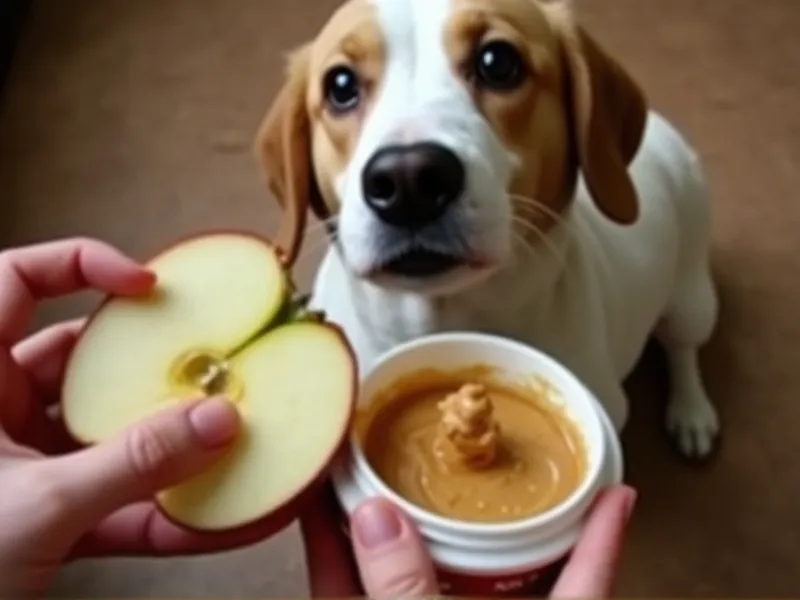
Table of Contents
- So, Can Dogs Eat Apples and Peanut Butter? The Short Answer
- The Benefits: Why This Combo Can Be a Healthy Treat
- The Risks: What to Watch Out For
- Safe Serving Guidelines: How Much Is Too Much?
- Healthier Alternatives to Mix It Up
- FAQ: Your Top Questions Answered
- Conclusion: Treat Smart, Keep Them Happy
So, Can Dogs Eat Apples and Peanut Butter? The Short Answer
Yes, dogs can eat apples and peanut butter—in moderation—as long as you follow a few safety rules.
Apples are low in calories, high in fiber, and packed with vitamins, making them a great occasional snack. Peanut butter, when chosen carefully (more on that later!), offers protein and healthy fats. However, there are caveats: apples have sugar, peanut butter can be high in fat, and some peanut butters contain a toxic ingredient called xylitol. Read on to learn how to serve this combo safely.
The Benefits: Why This Combo Can Be a Healthy Treat
Let’s break down why apples and peanut butter can be a nutritious addition to your dog’s treat rotation (in small doses!).
Apples: A Crunchy Source of Vitamins & Fiber
Apples are often called “nature’s toothbrush” for dogs—and for good reason! Here’s what they bring to the table:
- Fiber: Apples (with the skin on!) are rich in soluble and insoluble fiber. Soluble fiber helps regulate blood sugar and supports gut health by feeding beneficial gut bacteria, while insoluble fiber adds bulk to stool, aiding digestion and preventing constipation (AKC, 2023).
- Vitamins A & C: Vitamin A supports eye health and a shiny coat, while vitamin C is an antioxidant that boosts the immune system, helping your dog fight off infections (PetMD, 2023).
- Potassium: This mineral helps regulate blood pressure, supports muscle function, and maintains healthy heart rhythm (ASPCA, 2023).
Peanut Butter: Protein, Healthy Fats, & More
Peanut butter is a dog favorite for a reason—it’s tasty and nutrient-dense. When choosing a safe peanut butter (no xylitol!), here’s what your pup gets:
- Protein: Essential for muscle growth, repair, and overall body function. A 2-tbsp serving of peanut butter has about 8 grams of protein (USDA, 2023).
- Healthy Fats: Monounsaturated fats (like oleic acid) support skin and coat health, reduce inflammation, and aid in nutrient absorption (VCA Hospitals, 2023).
- Vitamins E & B: Vitamin E is an antioxidant that protects cells from damage, while B vitamins (niacin, B6) support energy metabolism and brain function.
The Risks: What to Watch Out For
While apples and peanut butter are generally safe, they come with risks if not served properly. Let’s cover the red flags.
Apple Risks: Sugar, Seeds, and Choking Hazards
- Sugar Overload: Apples contain natural sugars (fructose). Too much can lead to weight gain, dental issues, or even diabetes in dogs prone to the condition (Cornell University College of Veterinary Medicine, 2022).
- Apple Cores & Seeds: Apple seeds contain small amounts of cyanide, a toxin. While your dog would need to eat a lot of seeds to get sick, it’s best to avoid the core entirely. The core is also a choking hazard, especially for small dogs (ASPCA, 2023).
- Choking Hazard: Whole apple slices or chunks can pose a choking risk, especially for small breeds. Always slice apples into bite-sized pieces.
Peanut Butter Risks: Xylitol, Fat, and Additives
- Xylitol Poisoning: This artificial sweetener is extremely toxic to dogs, even in small amounts. It causes a rapid drop in blood sugar (hypoglycemia), leading to seizures, liver failure, or death. Always check the label—avoid peanut butters with xylitol (FDA, 2023).
- High Fat Content: Peanut butter is calorie-dense (about 180 calories per 2 tbsp). Overfeeding can lead to obesity or pancreatitis, a painful inflammation of the pancreas. Symptoms include vomiting, diarrhea, and lethargy (VCA Hospitals, 2023).
- Added Salt & Sugar: Many commercial peanut butters have added salt or sugar, which are unnecessary and unhealthy for dogs. Opt for unsalted, unsweetened varieties.
Safe Serving Guidelines: How Much Is Too Much?
Treats should make up no more than 10% of your dog’s daily calories (AAFCO, 2020). Here’s how to portion apples and peanut butter:
Apple Serving Sizes (Occasional Treat):
- Small dogs (under 20 lbs): 1–2 thin slices (no core, seeds removed).
- Medium dogs (20–50 lbs): ¼ to ½ apple (sliced, core removed).
- Large dogs (50+ lbs): ½ to 1 small apple (sliced, core removed).
Peanut Butter Serving Sizes (Occasional Treat):
- Small dogs: ½–1 teaspoon.
- Medium dogs: 1–2 teaspoons.
- Large dogs: 1–2 tablespoons (depending on activity level and calorie needs).
Pro Tips:
- Always serve apples without the core or seeds.
- Choose peanut butter labeled “natural,” “unsalted,” and “no added sugar”—and always check for xylitol in the ingredients list.
- Mix a tiny bit of peanut butter with apple slices, stuff it in a Kong toy, or freeze for a cool summer treat!
Healthier Alternatives to Mix It Up
If you want to switch up your dog’s treats or avoid peanut butter, try these safe, tasty alternatives:
Apple-Free Options:
- Carrots: Crunchy, low-calorie, and high in fiber and vitamin A. Great for teething puppies!
- Blueberries: Packed with antioxidants and vitamins, perfect for a sweet, bite-sized snack.
- Green Beans: Steamed or raw, they’re low in calories and high in fiber—ideal for weight-conscious dogs.
Peanut Butter-Free Options:
- Sunflower Seed Butter: A xylitol-free alternative with vitamin E and healthy fats (avoid if your dog has a nut allergy).
- Plain Greek Yogurt: High in protein and probiotics (choose unsweetened, no xylitol).
- Pumpkin Puree: Canned, unsweetened pumpkin is rich in fiber and great for upset tummies.
FAQ: Your Top Questions Answered
Q: Can dogs eat apple cores?
A: No. Apple cores contain seeds with cyanide, and the tough core is a choking hazard. Always remove the core and seeds before serving.
Q: Is all peanut butter safe for dogs?
A: No. Avoid any peanut butter containing xylitol, an artificial sweetener that’s toxic to dogs. Check the label carefully—xylitol may be listed as “sugar alcohol” or “birch sugar.”
Q: Can puppies eat apples and peanut butter?
A: Yes, in small amounts. Puppies have sensitive tummies, so start with a tiny slice of apple and a pea-sized dollop of peanut butter to avoid stomach upset.
Q: My dog has diabetes—can they still have apples?
A: Consult your vet first. Apples have natural sugar, so they may need to be limited or avoided. Your vet can help determine safe portion sizes.
Q: What if my dog ate xylitol peanut butter?
A: Act fast! Xylitol toxicity can cause symptoms within 10–60 minutes (vomiting, lethargy, seizures). Call your vet or the ASPCA Animal Poison Control Center (888-426-4435) immediately.
Conclusion: Treat Smart, Keep Them Happy
Apples and peanut butter can be a delicious, healthy treat for your dog—when served safely and in moderation. Remember: remove apple cores, avoid xylitol in peanut butter, and stick to small portions as an occasional reward, not a daily staple.
Every dog is unique, so if your pup has health issues (like diabetes or pancreatitis) or special dietary needs, always check with your vet before introducing new treats.
At the end of the day, the best part of sharing a snack with your dog is the joy it brings—those tail wags, happy licks, and snuggles afterward. With a little caution, you can keep those moments both safe and sweet.
Happy snacking (for both of you)!